Best RFID Blocking Wallet That Actually Works
RFID blocking wallets promise security, but many are overbuilt gimmicks. Here are the ones that balance real protection with everyday usability.
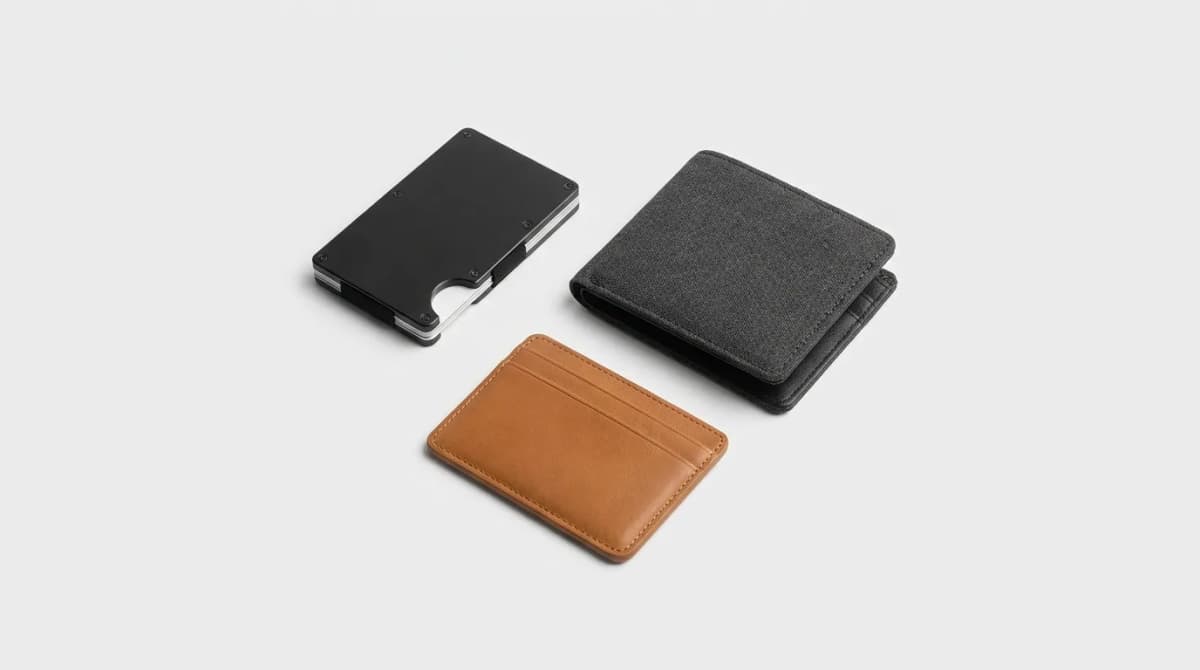
Most RFID blocking wallets solve a problem you might not have while creating new ones you definitely will. They add bulk, restrict access to your cards, and cost twice what a regular wallet does. The threat of RFID skimming is real but rare, and the protection needs to work without turning your pocket into a brick.
Quick Picks
Our top recommendations at a glance:
- 1Ridge Wallet$75-$115
- 2
- 3Ekster Parliament RFID Wallet$89-$119
- 4Secrid Cardprotector$33-$75
- 5
We compared wallets that actually balance security with usability. Some use metal shells that double as card ejectors. Others weave shielding material into leather. A few rely on simple aluminum construction. The best ones make you forget they're doing anything special until you need that protection.
What RFID blocking actually does
RFID chips in credit cards and passports broadcast data when scanned. Contactless payment cards use this. So do hotel key cards and some ID badges. A scanner held close enough can read that data without touching your wallet.
Blocking that signal requires a Faraday cage, metal mesh embedded in fabric, or solid metal construction. The material has to surround the card completely, and it needs to block frequencies between 13.56 MHz (credit cards) and 125 kHz (some access cards). Most wallets that claim protection only block the higher frequency, leaving older RFID cards exposed.
The real question is whether you need it. Card fraud happens, but skimming through a wallet in a crowded subway is far less common than online breaches or lost cards. If you travel internationally, carry a passport card, or work in secure facilities, the protection matters. For everyone else, it's insurance against a small risk.
Ridge Wallet - the aluminum standard
Ridge turned metal wallets mainstream. The aluminum or carbon fiber plates sandwich your cards with an elastic band. RFID blocking is built-in because the entire structure is a metal cage. No fabric liners, no special coatings.
It holds 1-12 cards tightly. Too few and they rattle. Too many and the elastic stretches out. The sweet spot is 6-8 cards. Cash clips to the outside or folds into a removable money clip. It's not elegant, but it works.
The finger grooves eject cards with a push. This is faster than digging into a bifold but slower than pulling from a card slot. You adapt after a week. The hardest part is choosing which cards to carry, because space is limited.
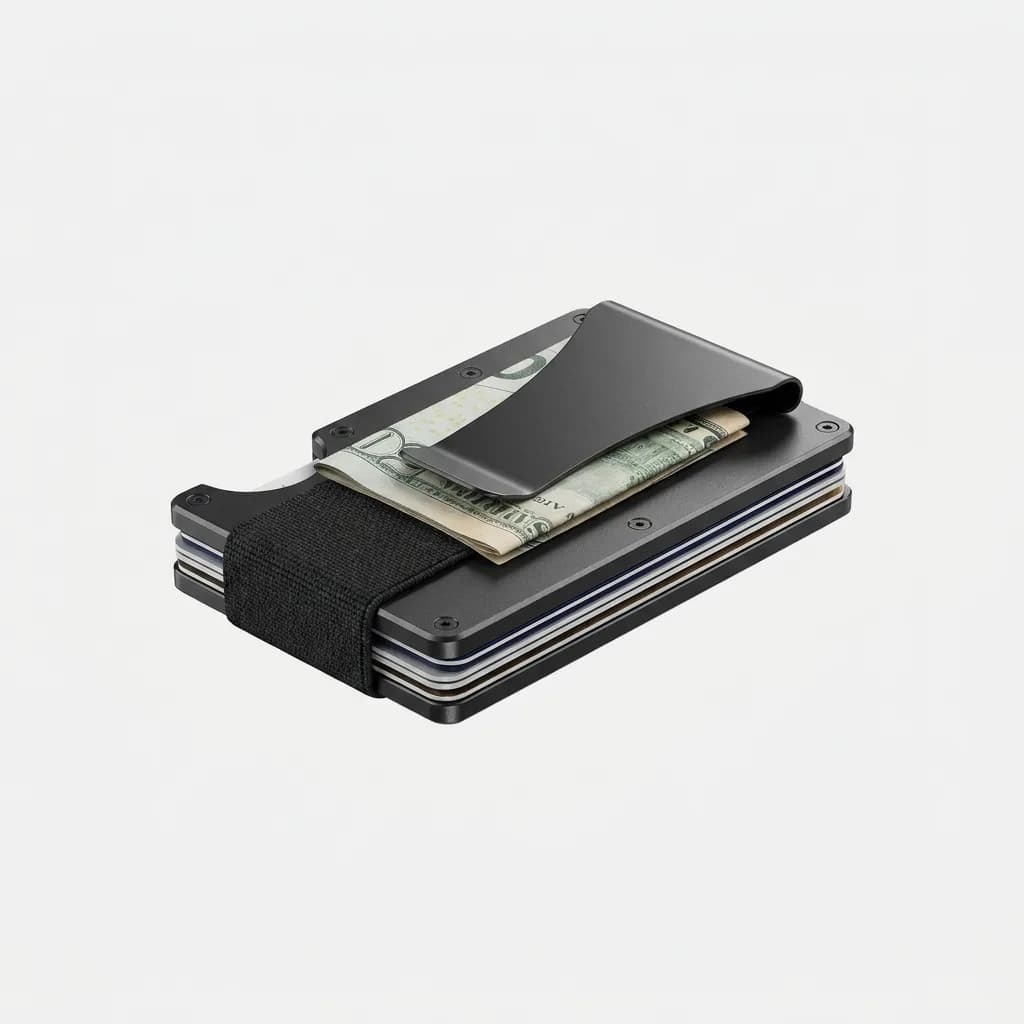
Ridge Wallet
$75-$115
Aluminum or carbon fiber card holder with elastic band. Blocks RFID by design through metal construction. Holds 1-12 cards, includes money clip.
Durability is excellent. We've carried the same Ridge for three years with no mechanical failures. The anodized finish scratches, but the function never degrades. The money clip version adds $10 and makes cash handling less awkward.
Bellroy Hide & Seek - RFID without the bulk
Bellroy builds RFID protection into slim leather wallets. The Hide & Seek uses a shielded pocket for contactless cards and leaves the other slots open. This hybrid approach keeps the wallet thin while protecting the cards that need it.
The layout is clever. Three card slots on one side, a hidden sleeve behind them for bills, and a coin pouch on the other side. Total thickness is about half an inch with six cards loaded. The leather is thin but dense, and it breaks in without stretching out.
RFID shielding only covers the center section. Bellroy embeds a thin metallic layer between the leather. It's not as comprehensive as full metal construction, but it's enough for credit cards. The top slots remain unshielded for cards you want to tap quickly, like transit passes or gym memberships.
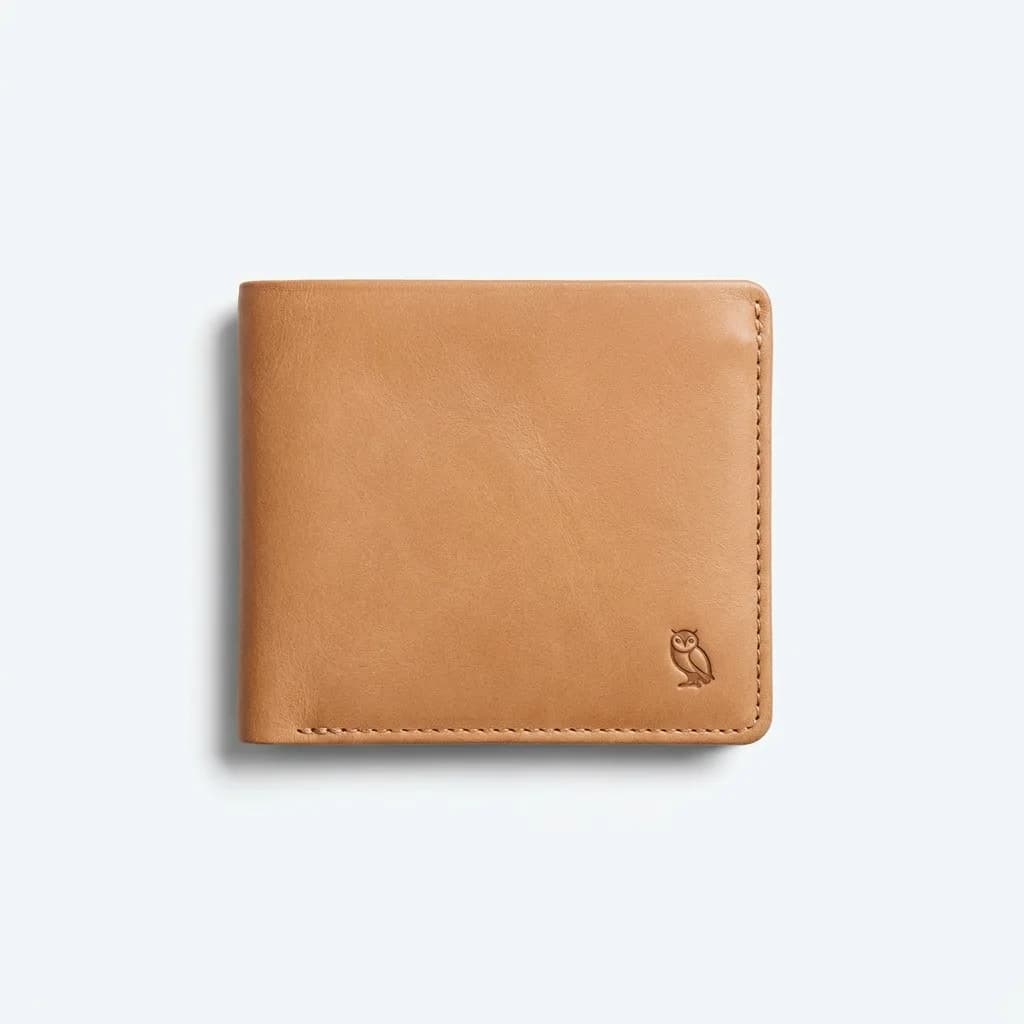
Bellroy Hide & Seek RFID Wallet
$99
Slim leather bifold with RFID-shielded pocket and open slots. Holds 6-8 cards, includes hidden bill sleeve and coin pouch. Premium leather construction.
The coin pouch is divisive. It's useful when traveling internationally but adds bulk you don't need daily. The wallet design assumes you'll use it for small items like folded receipts or a key. Most people ignore it entirely.
Ekster Parliament - smart wallet integration
Ekster combines RFID blocking with a card ejection mechanism and optional solar-powered tracker. The aluminum trigger pops cards out in a cascade. RFID protection comes from the metal cardholder and an embedded shield in the leather exterior.
The cardholder fits 4-6 cards. The leather sleeve adds two quick-access slots. Total capacity is 6-8 cards, which is tight for anyone carrying multiple credit cards, insurance cards, and IDs. The tracker fits in a dedicated slot and connects via Bluetooth. It charges through a small solar panel on the exterior.
Setup is straightforward. Download the app, pair the tracker, and set your location alerts. Battery life is theoretically infinite with regular sun exposure, but indoor use drains it every few weeks. The tracker's range is about 200 feet, standard for Bluetooth.
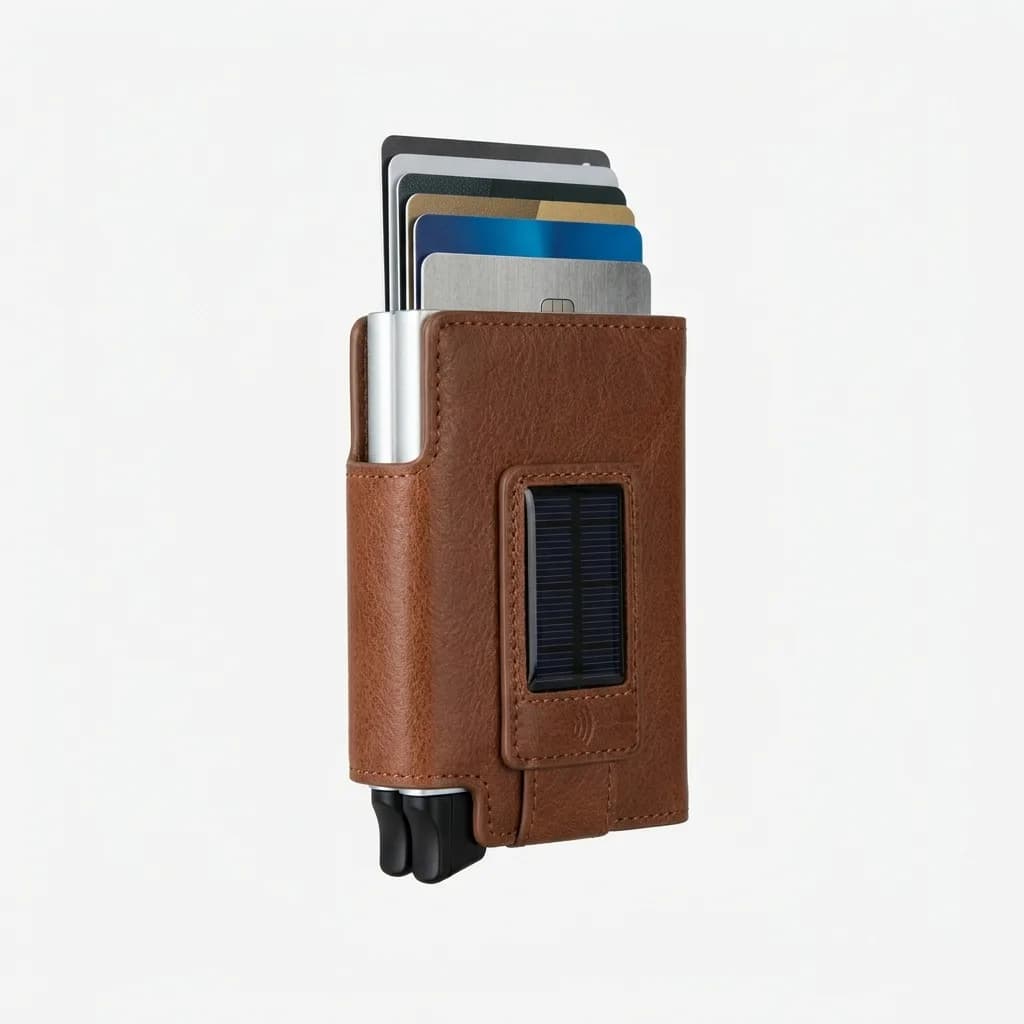
Ekster Parliament RFID Wallet
$89-$119
Aluminum card holder with trigger eject mechanism, leather exterior, and optional solar tracker. RFID blocking through metal construction. Holds 6-8 cards.
The tracker adds $30 and questionable value. If you lose your wallet often enough to justify tracking it, you need a better system. The base wallet works fine without it, but Ekster pushes the smart features hard.
Secrid Cardprotector - minimal RFID blocking
Secrid's Cardprotector is a metal sleeve that holds 4-6 cards. A lever on the bottom slides cards out in a staggered stack. RFID blocking is total because the entire unit is aluminum. It's smaller than a credit card and weighs about an ounce.
This is the minimalist option. No cash storage, no extra pockets, no room for receipts. You can add a leather sleeve for bills, but then you lose the ultra-slim profile. The metal version alone forces you to carry only essentials.
The slide mechanism is precise. Cards fan out about an inch, enough to grab the one you need. With six cards loaded, the bottom card is hard to reach. Four cards is the practical limit. The unit fits easily in a front pocket and disappears in a back pocket.
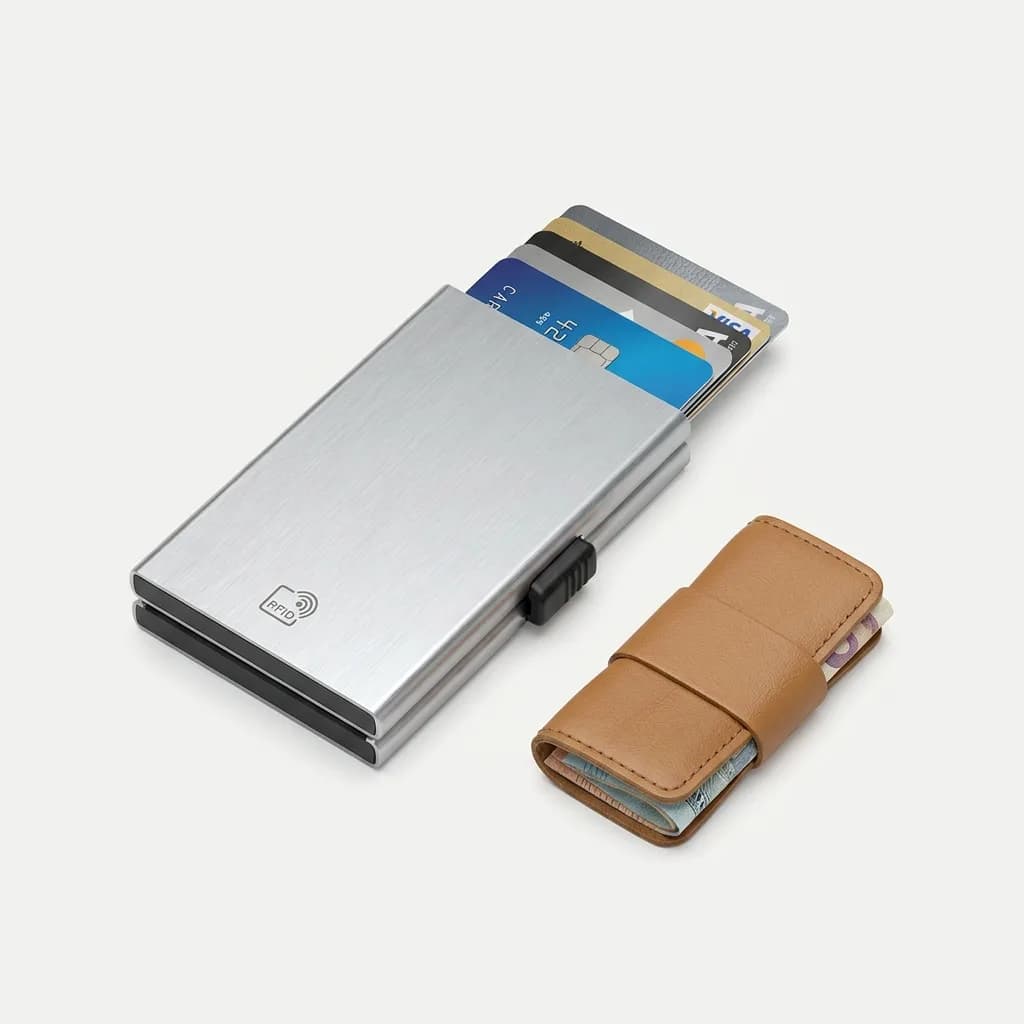
Secrid Cardprotector
$33-$75
Aluminum card sleeve with slide mechanism. Blocks all RFID signals. Holds 4-6 cards. Available with optional leather exterior for cash.
Durability matches the Ridge. The aluminum scratches but doesn't dent easily. The slide mechanism has no moving parts beyond the lever, so there's nothing to break.
Trayvax Contour - rugged RFID protection
Trayvax uses stainless steel plates and aircraft-grade aluminum for a wallet built like a tool. The Contour model holds 3-5 cards between two metal plates with a paracord or elastic band. RFID blocking is inherent to the metal construction.
It's overbuilt. The plates are thick enough to feel substantial, which means the wallet is noticeably heavier than aluminum options. Weight is about 2.5 ounces empty, double the Ridge or Secrid. It's also louder, metal plates click when you set it down.
Cash slots into a clip on the back. The clip is spring-loaded stainless steel, not elastic, so it holds tension permanently. Bills fold once and clip flat against the wallet. It's more secure than elastic but requires two hands to load cash.
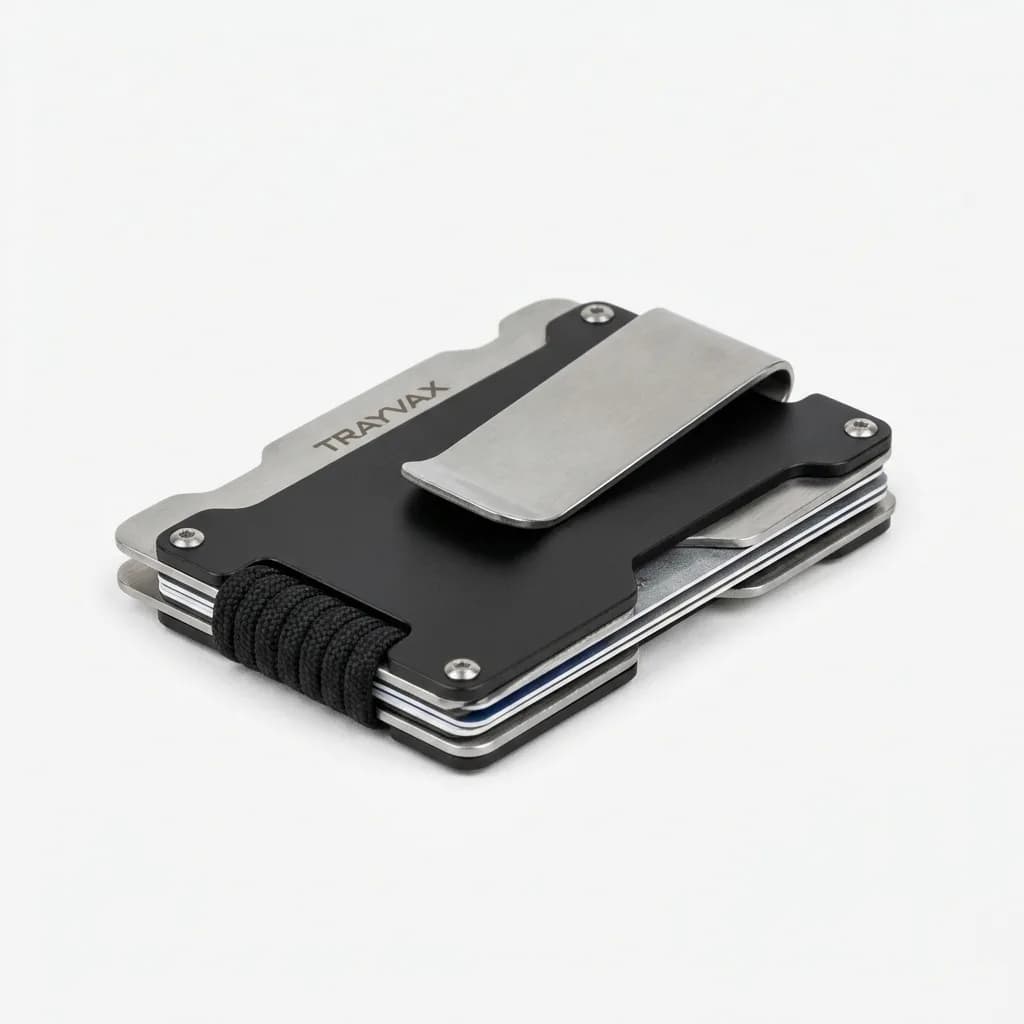
Trayvax Contour Wallet
$75
Stainless steel and aluminum wallet with paracord band. Heavy-duty construction blocks RFID. Holds 3-5 cards, includes metal money clip.
The paracord is replaceable, which is good because it frays. Trayvax includes spare cord, and replacement is a five-minute job. The elastic version skips the paracord aesthetic for rubber bands that last longer but look generic.
Common mistakes with RFID wallets
Overstuffing defeats the protection. Metal wallets need full contact between the shield and the card. Adding too many cards creates gaps where signals leak through. If you carry more than ten cards regularly, RFID wallets aren't the solution.
Partial shielding is common and misleading. Some wallets only shield one pocket or one side. Your contactless credit card might be protected while your passport card sits in an unshielded slot. Check which sections actually block signals before assuming full coverage.
Metal wallets and wireless charging don't coexist. If you keep your wallet and phone in the same pocket, the metal can interfere with charging. It also blocks NFC payments if your phone is sandwiched against the wallet. Keep them separate or skip metal construction.
Do you actually need RFID blocking?
The threat is real but statistically minor. RFID skimming requires close proximity, specialized equipment, and cards that support contactless payment. Most fraud happens online or through lost cards, not through scanners in crowded spaces.
That said, protection costs almost nothing if you're buying a new wallet anyway. The price difference between a standard Ridge and an RFID version is zero because the aluminum already blocks signals. Same for Secrid and most metal wallets.
Leather wallets with RFID shielding cost $10-20 more than non-shielded versions. That premium buys peace of mind if you travel frequently, work in secure facilities, or carry access cards. For everyone else, it's optional insurance.
What to look for in an RFID wallet
Material matters. Aluminum and stainless steel provide complete blocking. Carbon fiber works if it's woven tightly. Leather wallets with RFID protection rely on embedded mesh or metallic fabric, which works but degrades over time.
Capacity determines usability. Metal wallets top out at 12 cards, and most are uncomfortable above eight. Leather wallets handle more but get thick quickly. Count your essential cards before choosing a design, because you can't add capacity later.
Access speed is the hidden tradeoff. Bifolds are fastest but bulkiest. Card ejectors are slower but slimmer. Metal sleeves with slide mechanisms split the difference. Test the mechanism before committing if possible, because muscle memory forms fast and relearning is annoying.
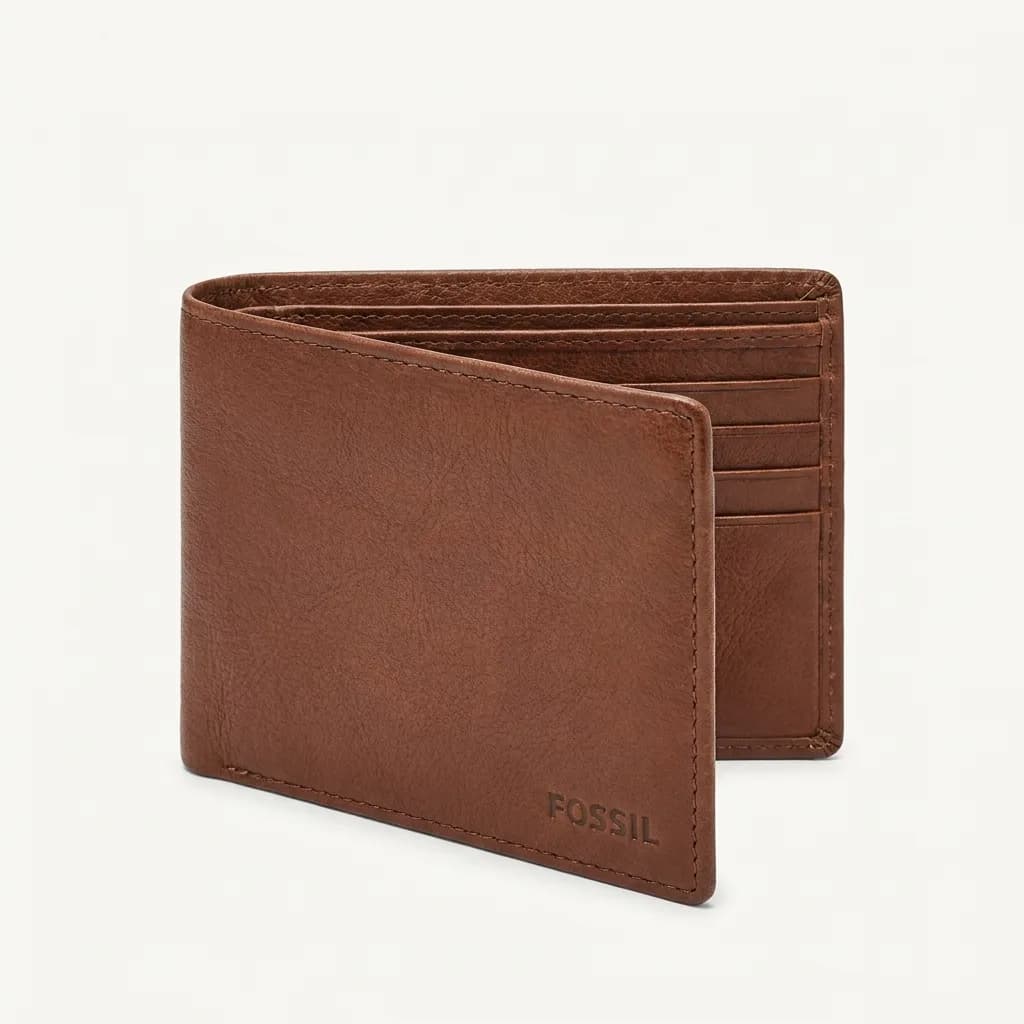
Fossil RFID Bifold Wallet
$35-$55
Leather bifold with RFID-blocking lining in all pockets. Holds 8+ cards, includes bill compartments. Traditional wallet design with modern protection.
Durability separates good wallets from temporary ones. Metal wallets last indefinitely with cosmetic wear. Leather wallets depend on material quality and construction. Cheap leather cracks within a year. Full-grain leather breaks in and lasts decades. Shielding embedded in cheap wallets fails before the wallet wears out.
Wrapping up
RFID blocking works when it's built into a wallet you'd carry anyway. The Ridge, Secrid, and Trayvax block signals because they're metal, not because they're trying to. Bellroy and Ekster add shielding to designs that prioritize usability first.
Skip wallets that lead with RFID protection as the main feature. That usually means cheap construction with a metallic liner that adds bulk and fails early. The best RFID wallets solve other problems (too much bulk, disorganized cards, worn-out leather) while blocking signals as a side effect.
If you're carrying more than ten cards, no RFID wallet will help. Trim your carry or accept that you need a larger wallet without perfect shielding. For everyone else, RFID protection is standard on any decent minimalist wallet in 2026.
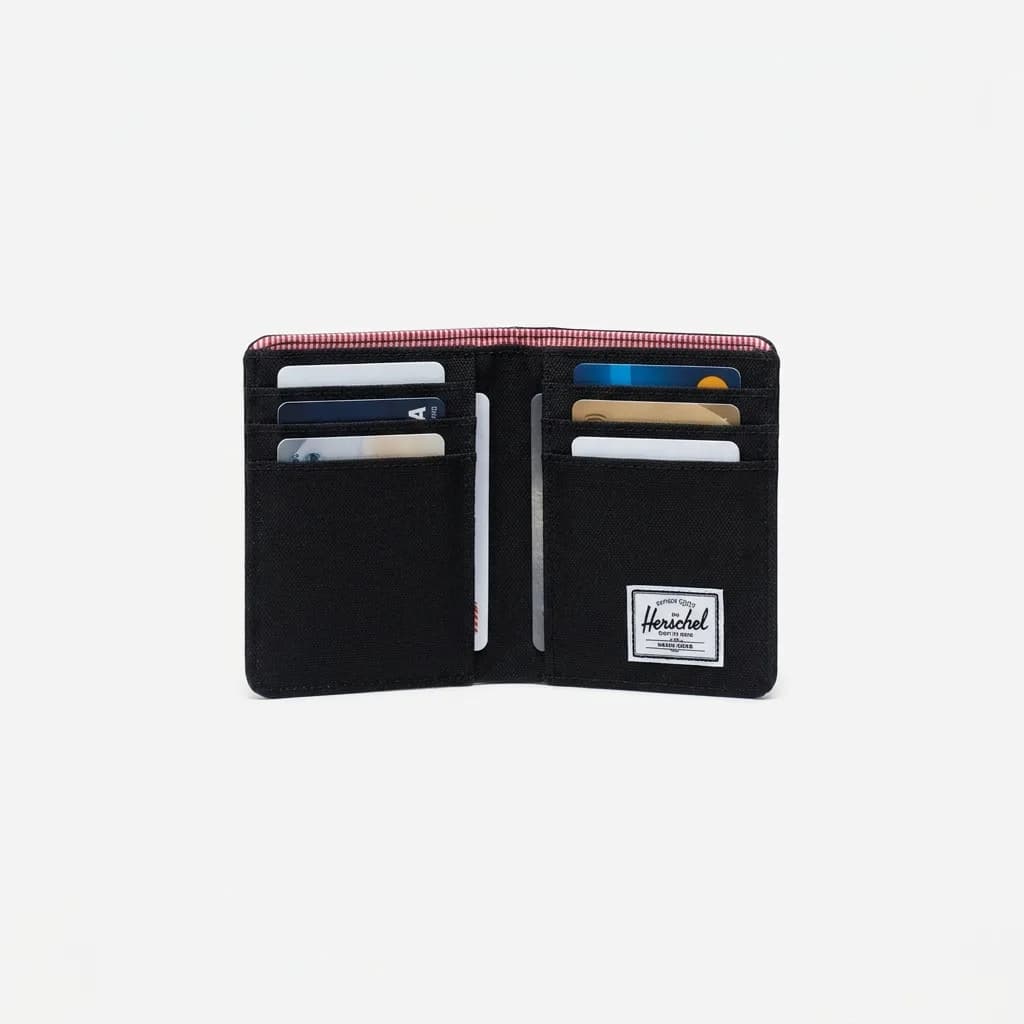
Herschel Charlie RFID Cardholder
$20-$30
Fabric card wallet with RFID-blocking layer. Holds 6-8 cards. Budget-friendly option with signature Herschel styling and durable construction.
The Weekly Dispatch
Enjoying this article?
Subscribe and get our best gear picks delivered every Sunday morning.
Related Posts
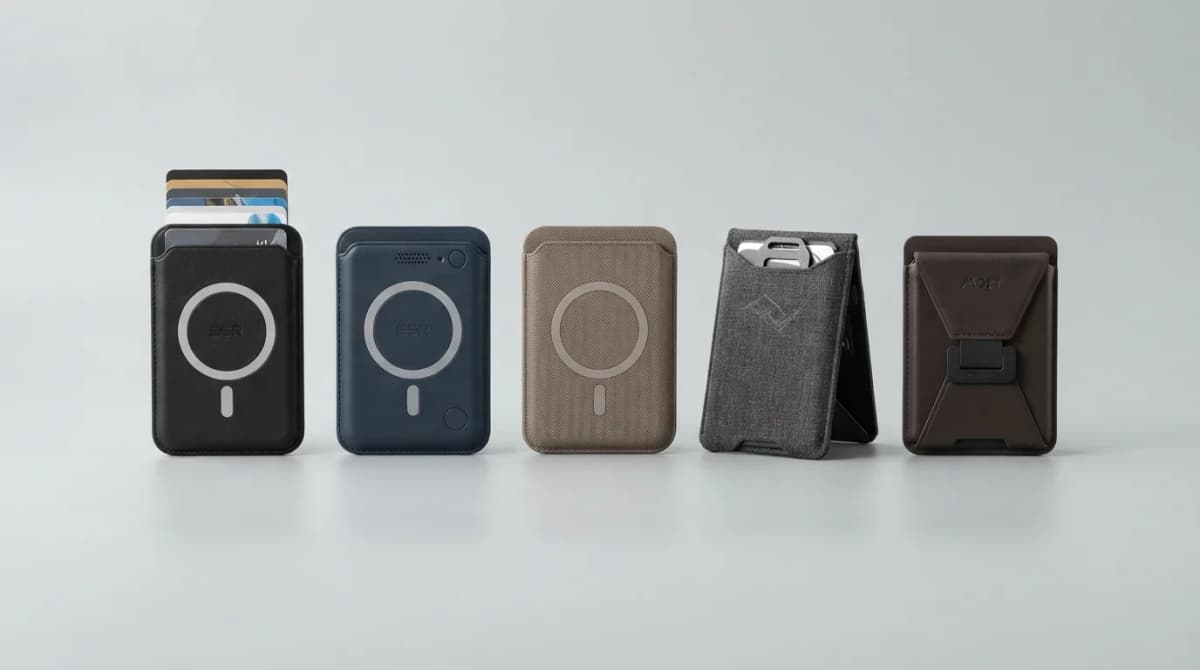
Best MagSafe Wallets 2026: Slim Picks That Stay Put
The best MagSafe wallets for 2026: ESR Classic 5-card, ESR Geo with Find My, Apple FineWoven, Peak Design Mobile Wallet Stand and MOFT Snap-on. Prices at publish, Oct 2026.
Ohsnap Wallet 2 Kickstarter: MagSafe Pop-Up Wallet
MagSafe wallets are usually a thin sleeve or a pricey titanium tool slab. Ohsnap Wallet 2 is the wallet + SnapGrip / MagStack lane on Kickstarter - pop-up card cores, modular covers, campaign clock ending Sep 26, 2026. Who picks MagStack, who skips crowdfunding risk.
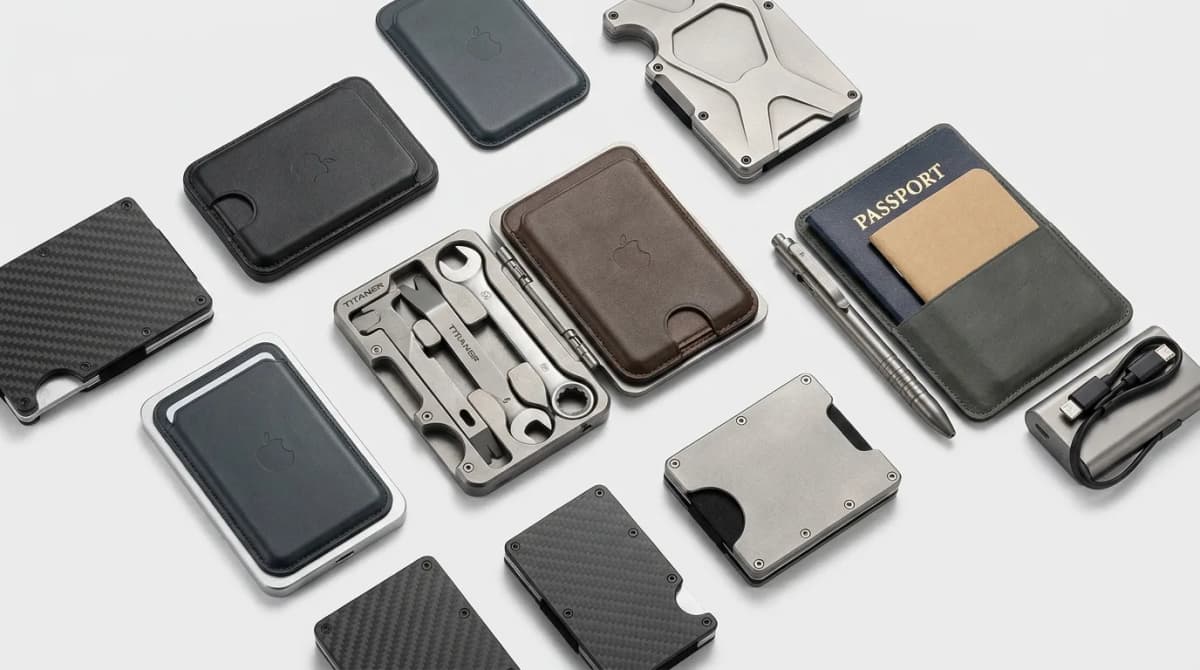
Titaner Verso and the MagSafe Tool-Wallet Trend
MagSafe wallets got expensive fast. Titaner Verso closed at $248-$298 as a Grade 5 Ti tool-wallet - who should buy, plus a travel EDC stack.

Smart Wallets Review: Wallets With Trackers
Smart wallets combine Bluetooth tracking, RFID protection, and app connectivity to prevent loss. We compare battery life, features, and the best models worth buying.