Best Gaming Mouse for FPS Games 2026
These lightweight, high-precision mice dominate competitive FPS play. We cover sensor performance, weight distribution, and what actually matters for flick shots.
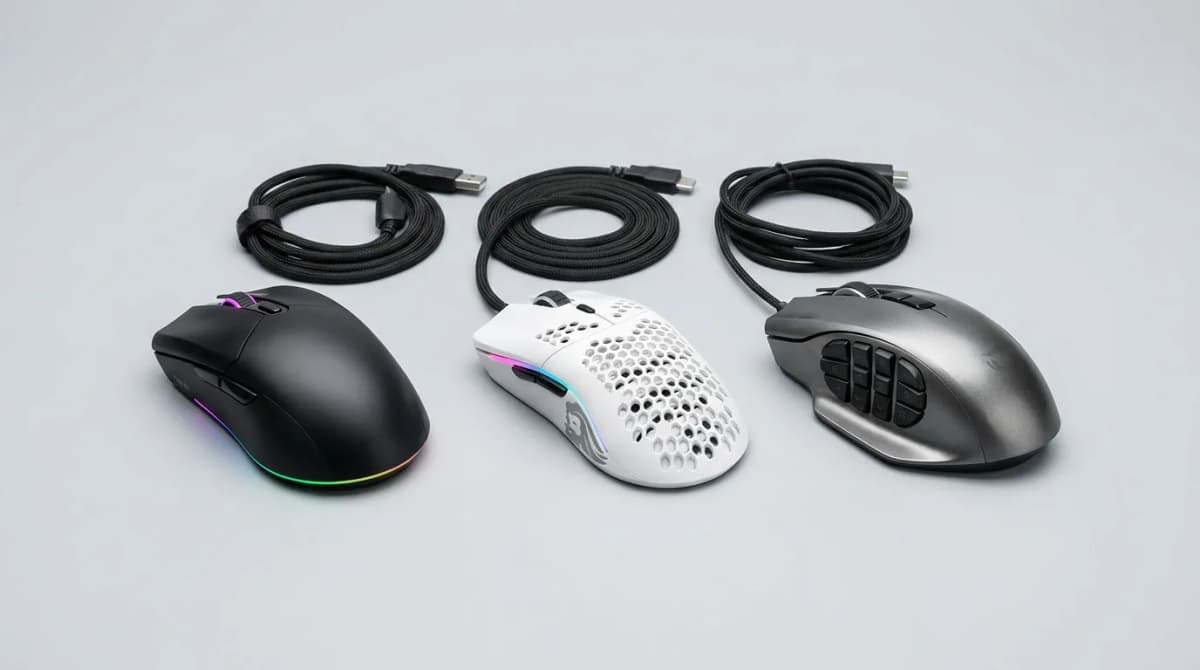
Competitive FPS gaming lives and dies by milliseconds. Your mouse is the most direct connection between intention and execution, and after testing dozens of options across Counter-Strike 2, Valorant, and Apex Legends, the gap between mediocre and exceptional is wider than marketing suggests.
The best FPS mice share specific traits: sensors that track flawlessly above 400 IPS, weight under 65 grams, wireless latency under 1ms, and shapes that support both precision aiming and rapid flicks. Everything else is secondary.
What Actually Matters in an FPS Gaming Mouse
Sensor quality tops the list, but not in the way most people think. Modern flagship sensors from PixArt and custom designs from Razer and Logitech all track accurately. The difference shows up in how they handle acceleration, lift-off distance, and whether they maintain consistency across the entire DPI range.
Weight distribution matters more than total weight. A 60-gram mouse with poor balance feels heavier than a 65-gram mouse with centered mass. The best designs put weight directly under your palm's contact point, letting the mouse pivot naturally during wrist flicks.
Wireless has caught up. The gap between wired and wireless latency closed years ago, but 2026 models push it further with adaptive frequency hopping and polling rates hitting 4000Hz. Cable drag is the bigger performance killer now.
Shape is personal, but patterns emerge. Low-profile designs suit fingertip and claw grips. Higher backs support palm grippers. For FPS specifically, ambidextrous shapes with minimal side contouring let you adjust grip mid-match without repositioning your entire hand.
Razer Viper V3 Pro: The Benchmark
The Viper V3 Pro sets the standard everyone else chases. Razer's Focus Pro 30K sensor delivers flawless tracking up to 750 IPS with zero smoothing or acceleration. At 54 grams, it's light enough to vanish during gameplay but substantial enough to control.
The symmetrical shape works for multiple grip styles, and the matte coating provides consistent friction whether your hands are dry or sweaty. Battery life hits 90 hours with RGB off, and HyperPolling pushes the wireless dongle to 4000Hz when paired with a compatible receiver.
Where it excels: rapid direction changes and micro-adjustments. The low profile and centered weight let you snap between targets without overcompensating. The optical switches actuate in 0.2ms and are rated for 90 million clicks.
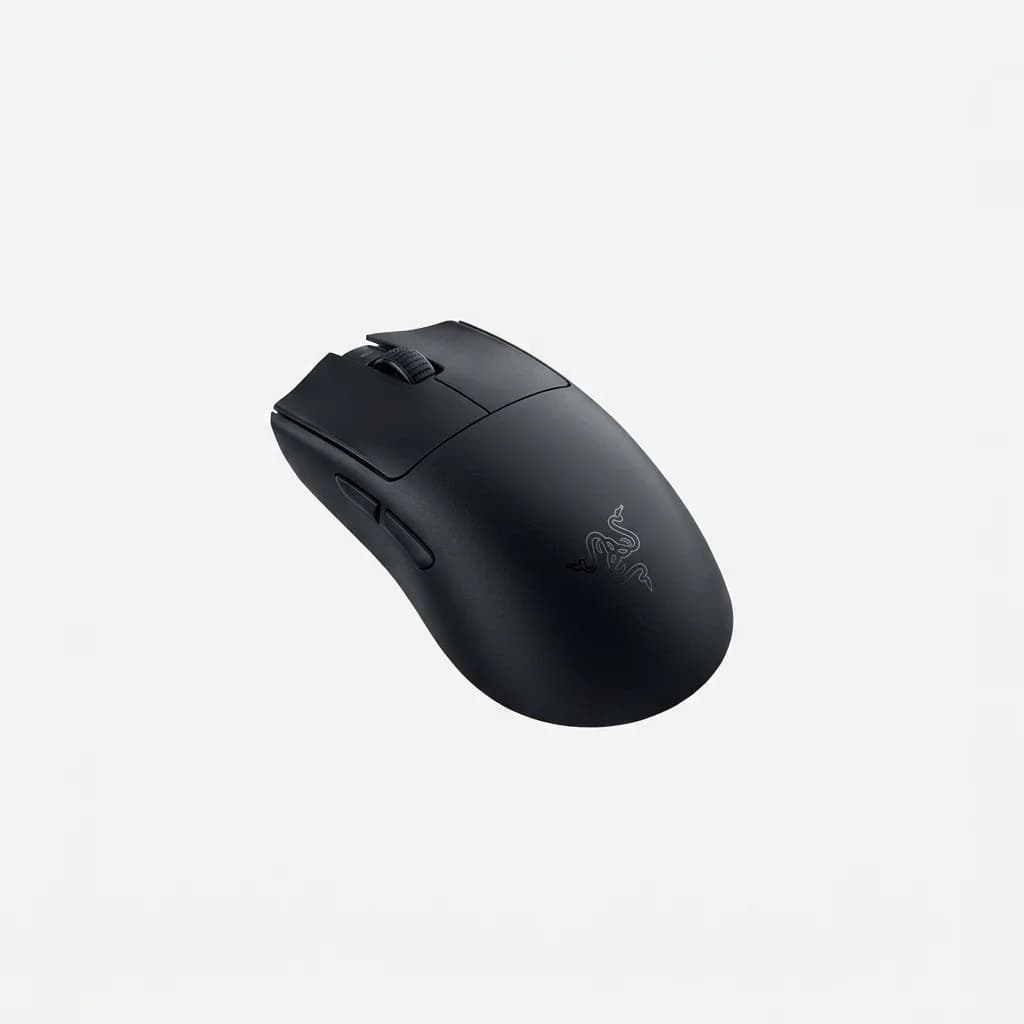
Razer Viper V3 Pro
$159
54g ultra-lightweight wireless with Focus Pro 30K sensor, 4000Hz polling, optical switches. Symmetrical shape with 90-hour battery. The reigning FPS champion.
Logitech G Pro X Superlight 2: The Alternative
Logitech's response to the Viper matches it spec-for-spec and beats it in comfort. The Hero 2 sensor tracks at 500 IPS with 32K DPI range, and the 60-gram weight includes a slightly higher back that palm grippers prefer.
PowerPlay wireless charging keeps it topped up on compatible mousepads, eliminating battery anxiety during long sessions. The coating is smoother than Razer's, which some prefer for low-friction glides but others find slippery.
Build quality is exceptional. No creaks, no flex, no rattle. The clicks feel slightly mushier than optical switches but offer better tactile feedback for those who like confirmation on every shot.
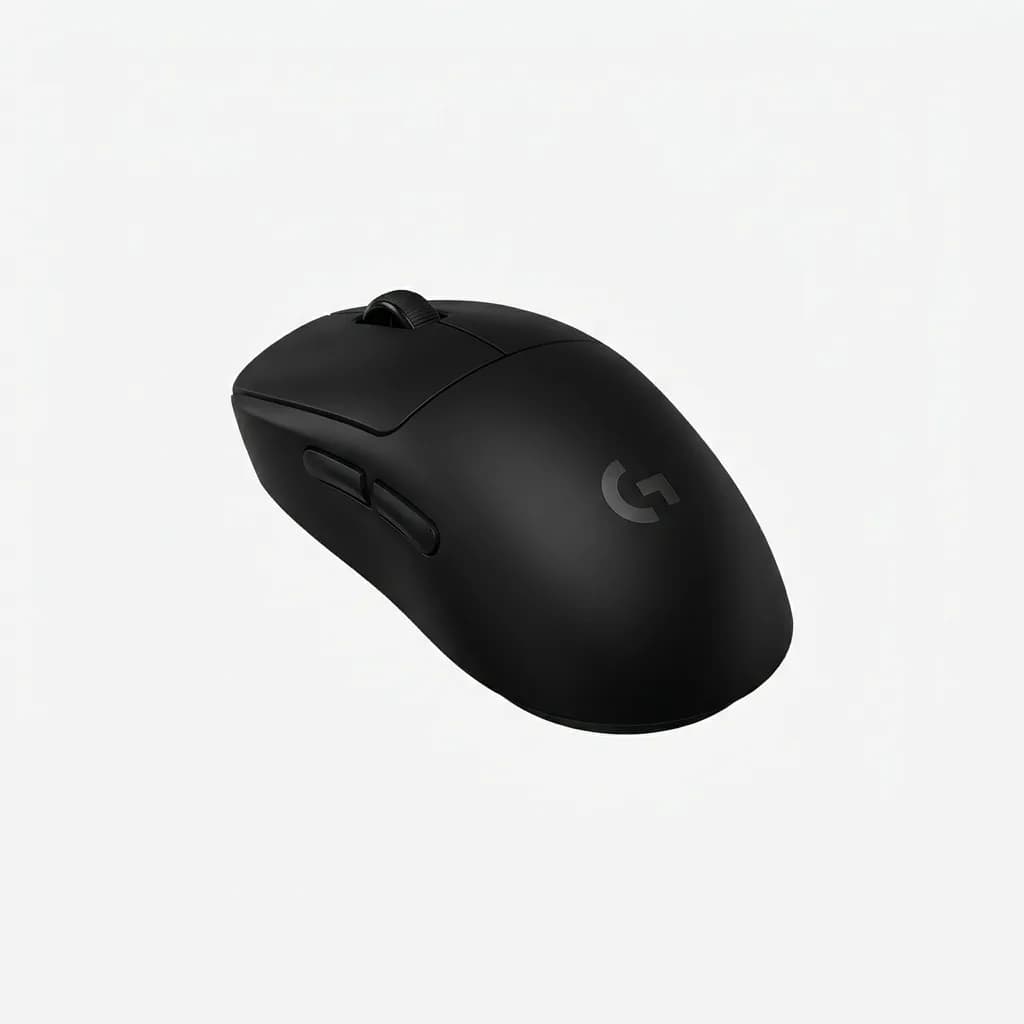
Logitech G Pro X Superlight 2
$159
60g wireless with Hero 2 sensor, 32K DPI, PowerPlay charging support. Higher back supports palm grip. Premium build quality and refined shape.
Finalmouse UltralightX: For Weight Obsessives
If you chase every gram, the UltralightX strips weight to 39 grams without honeycomb shells or structural compromises. Finalmouse uses a magnesium alloy frame and custom PCB to cut mass while maintaining rigidity.
The PixArt PAW3395 sensor handles 650 IPS, and the wireless implementation stays under 1ms. Shape is aggressively low with minimal side support, making it ideal for fingertip grippers who want zero resistance during sweeping movements.
The catch: availability. Finalmouse releases in limited drops, and retail prices inflate on secondary markets. Build quality is good but not exceptional - some units develop button wobble after heavy use.
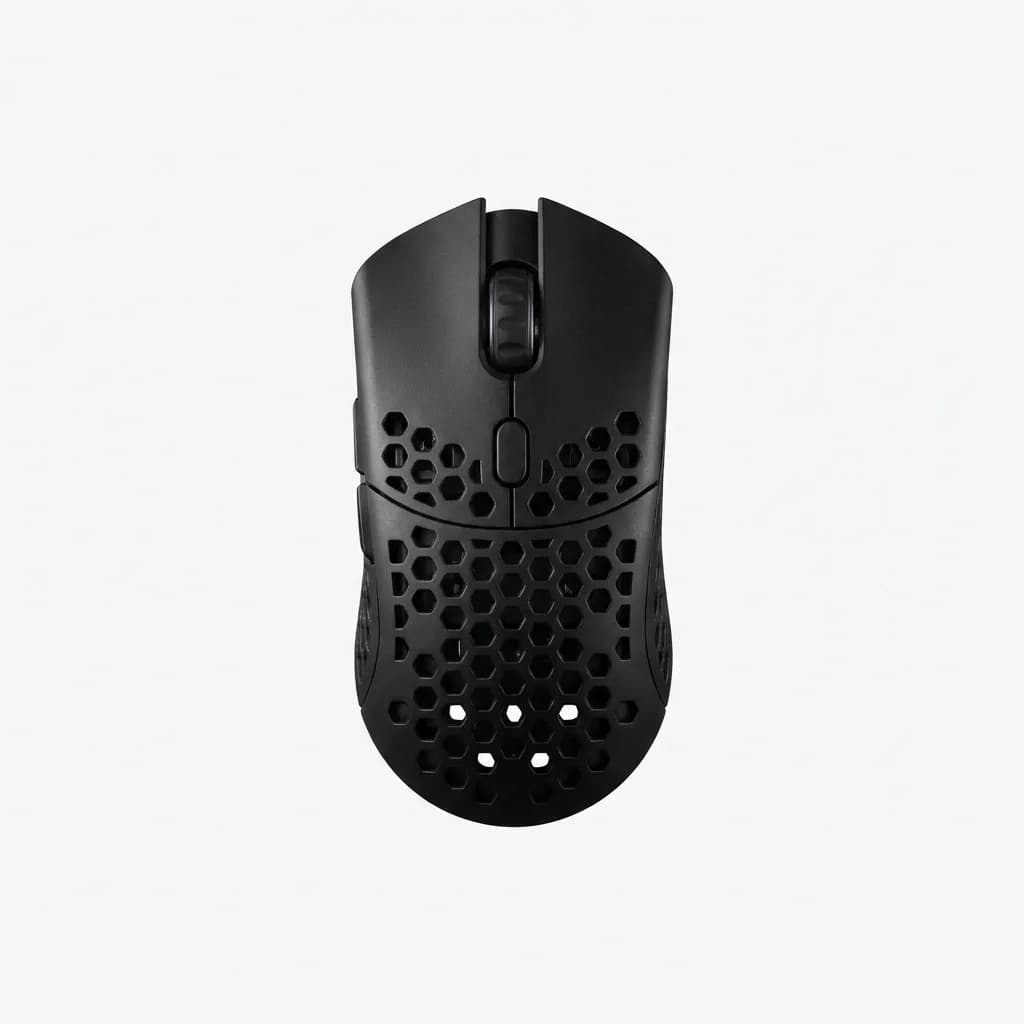
Finalmouse UltralightX
$189
39g ultra-lightweight magnesium frame, PAW3395 sensor. Extreme low-profile shape for fingertip grip. Limited availability but unmatched weight reduction.
Lamzu Atlantis Mini Pro: The Dark Horse
Lamzu entered the market late but nailed the execution. The Atlantis Mini Pro weighs 55 grams with a compact shape that suits small to medium hands. The PAW3395 sensor matches flagship performance, and the wireless dongle supports 4K polling with their proprietary receiver.
The shape is the selling point - a refined egg design with moderate hump placement that works across grip styles. The coating sits between Razer's texture and Logitech's smoothness, offering controlled glide without stickiness.
Quality control has been consistent across production runs, and at $99, it undercuts both the Viper and Superlight by $60 while delivering 90% of the performance. The main sacrifice is software - Lamzu's configuration tool is functional but bare-bones.
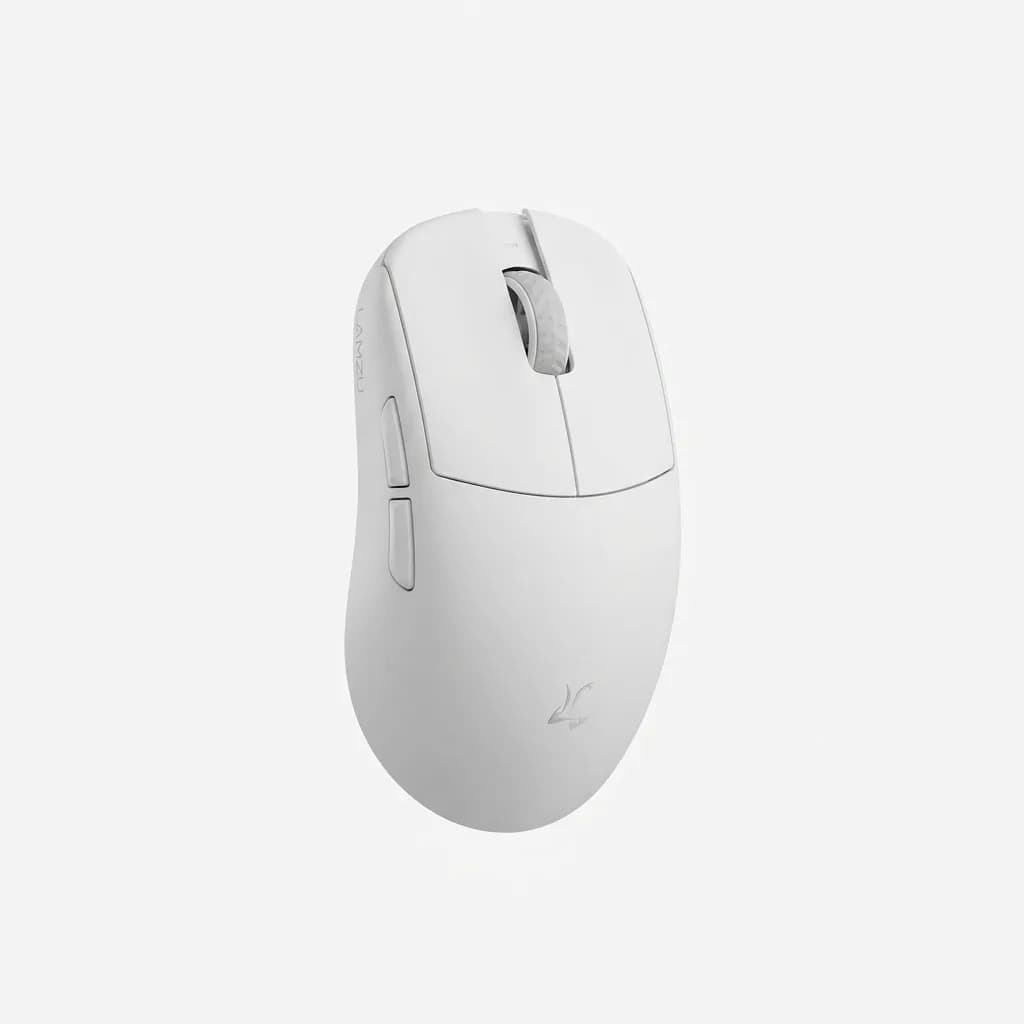
Lamzu Atlantis Mini Pro
$99
55g wireless with PAW3395 sensor, compact egg shape, 4K polling. Excellent middle-ground design that suits multiple grip styles. Outstanding value at $99.
Zowie EC2-DW: For Palm Grippers
Zowie's EC2-DW is the outlier here - heavier at 74 grams, ergonomic instead of ambidextrous, and focused purely on comfort over spec sheets. The 3395 sensor handles tracking, and the wireless latency matches competitors, but the shape is what sets it apart.
The pronounced ergonomic curve fills your palm completely, making it the choice for players who anchor their hand and aim with arm movements. The added weight provides stability during precise adjustments, reducing pixel-level jitter that lighter mice sometimes introduce.
No software, no RGB, no customization beyond DPI presets. You adjust settings with buttons on the bottom and get to work. Battery lasts 70 hours, and the matte coating develops grip that improves with use.
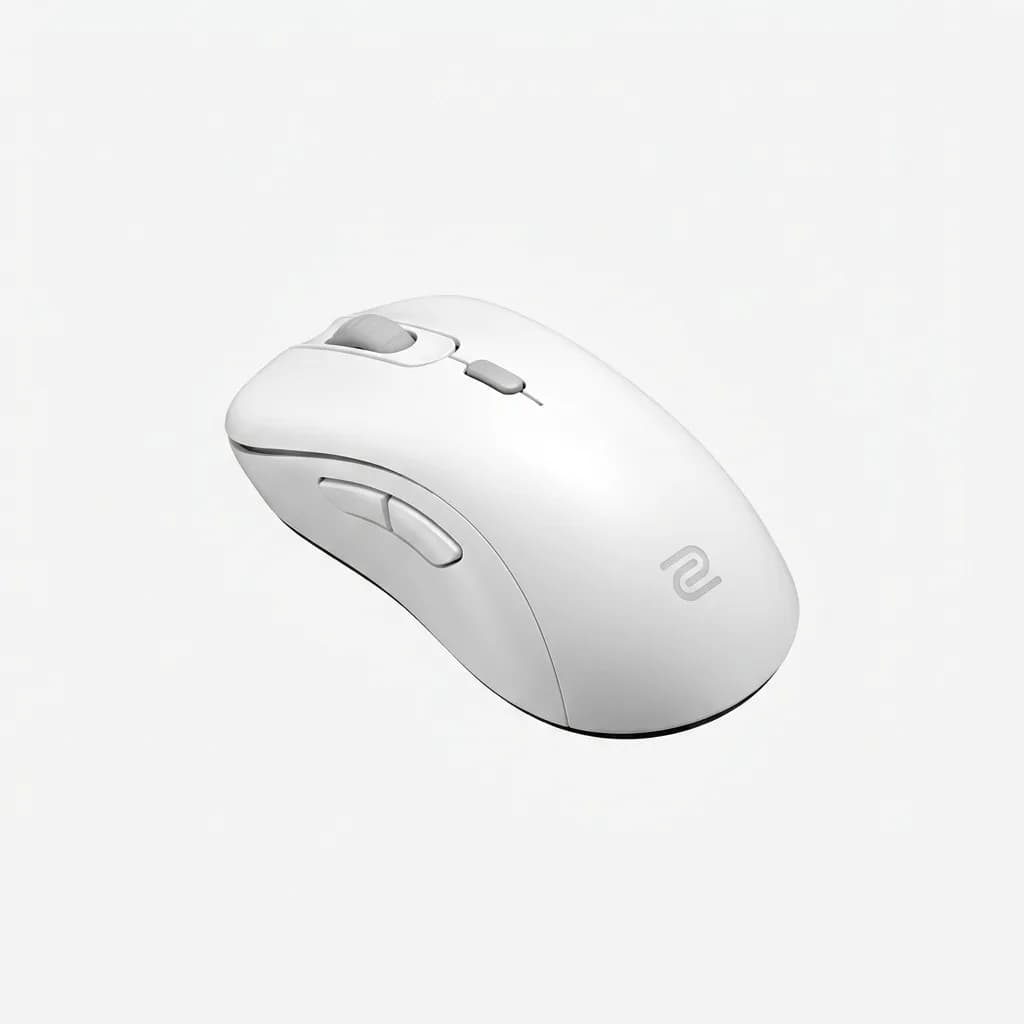
Zowie EC2-DW
$149
74g ergonomic wireless with 3395 sensor. Full palm support for relaxed grip styles. No-software approach with onboard controls. Built for consistency over innovation.
How Much Does Mouse Weight Actually Matter?
The obsession with sub-60g mice is partially justified and partially hype. Physics matters - less mass requires less force to accelerate and decelerate. In practice, this shows up most during rapid 180-degree turns and vertical recoil control.
But weight tolerance is personal. Some players prefer 45-55g for maximum responsiveness. Others find 65-75g provides better control and reduces micro-adjustments during holds and pre-aims. Going below 40g can introduce overcorrection where you overshoot targets because there's no physical feedback.
Test within ranges: ultra-light (40-55g), light (55-65g), and moderate (65-80g). Most competitive players land in the light category, but outliers exist at both extremes.
Sensor Specs You Can Ignore
Marketing loves DPI numbers, but anything above 3200 DPI is impractical for FPS gaming. Most pros play between 400-1600 DPI with in-game sensitivity adjusted for 25-40cm per 360-degree turn.
Acceleration tracking (IPS) matters more than max DPI. Modern sensors handle 400-650 IPS, which covers even the fastest flicks. Below 400 IPS, you might hit tracking limits during panic swipes.
Lift-off distance should be adjustable, ideally down to 1mm. Higher LOD causes cursor drift when you reposition the mouse between movements. Every mouse here handles this correctly.
Wireless vs. Wired in 2026
Wireless won. The performance gap closed years ago, and the cable drag from even premium paracord wired mice introduces more latency than modern 2.4GHz implementations. Battery life on flagship models lasts 70-90 hours with RGB disabled, meaning you charge weekly at most.
The only argument for wired is tournament reliability - some events restrict wireless or provide inconsistent USB power. If you compete at LAN events regularly, keep a wired backup. For everything else, wireless is strictly better.
Budget Options That Don't Compromise Too Much
If $150+ isn't feasible, the Pulsar X2 Mini at $79 delivers flagship-level sensors and build quality in a 55-gram package. The shape is safe, the clicks are crisp, and the wireless performance matches pricier options.
The G Wolves Hati S Plus Wireless at $69 cuts another $10 with minimal sacrifice. The PixArt 3370 sensor is a generation older but still tracks flawlessly for 99% of players. Build quality is the compromise - expect some button wobble and coating wear over time.
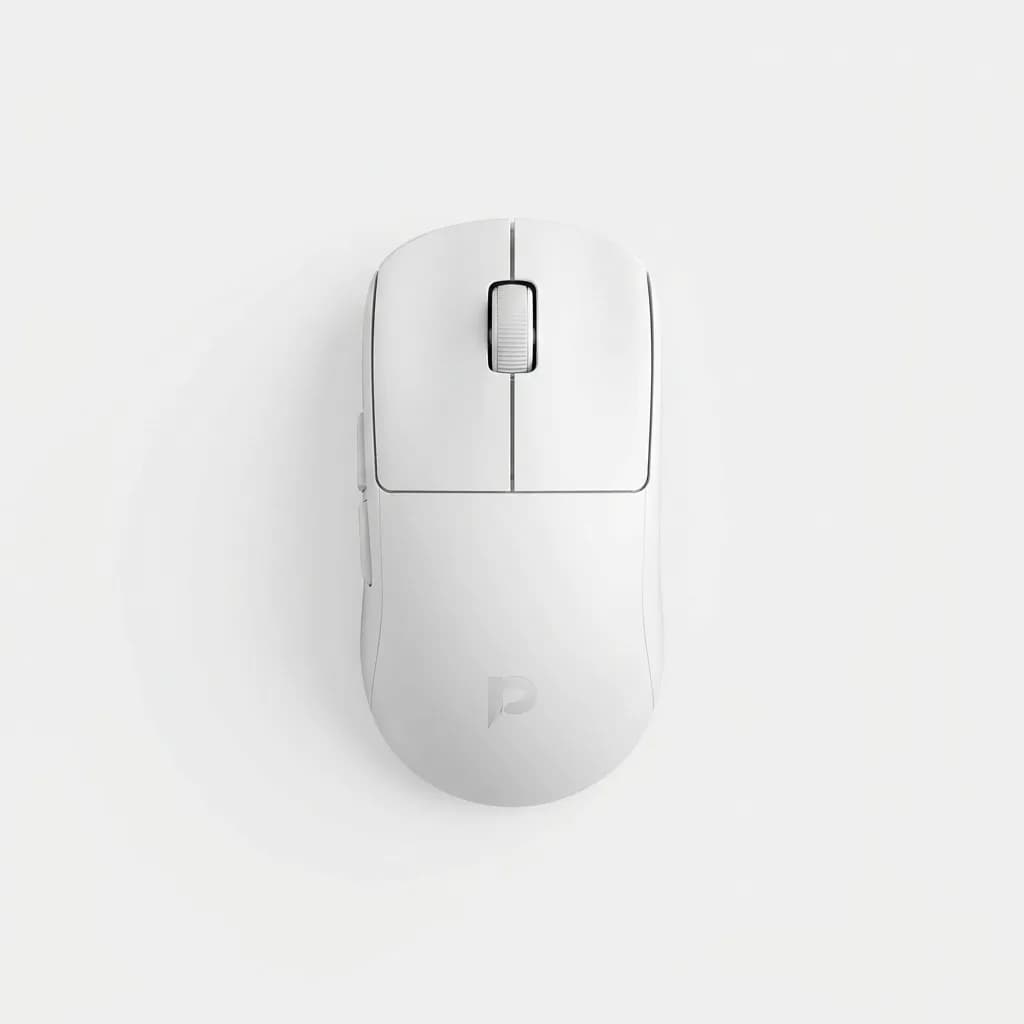
Pulsar X2 Mini
$79
55g wireless with PAW3395 sensor, safe symmetrical shape. Flagship performance at $79. Excellent first gaming mouse or backup for LAN events.
What About Wired Alternatives?
The Razer Viper V2 at $89 keeps the V3 Pro's sensor and shape but adds a Speedflex cable and drops wireless. At 58 grams, it's 4g heavier than its wireless sibling but saves $70. For players who prefer cables or compete at events with wireless restrictions, this is the pick.
The SteelSeries Aerox 3 Wired at $59 offers a different approach - 57 grams with TrueMove Core sensor and honeycomb shell. The perforated design isn't for everyone aesthetically, but it delivers genuine weight savings without premium prices.
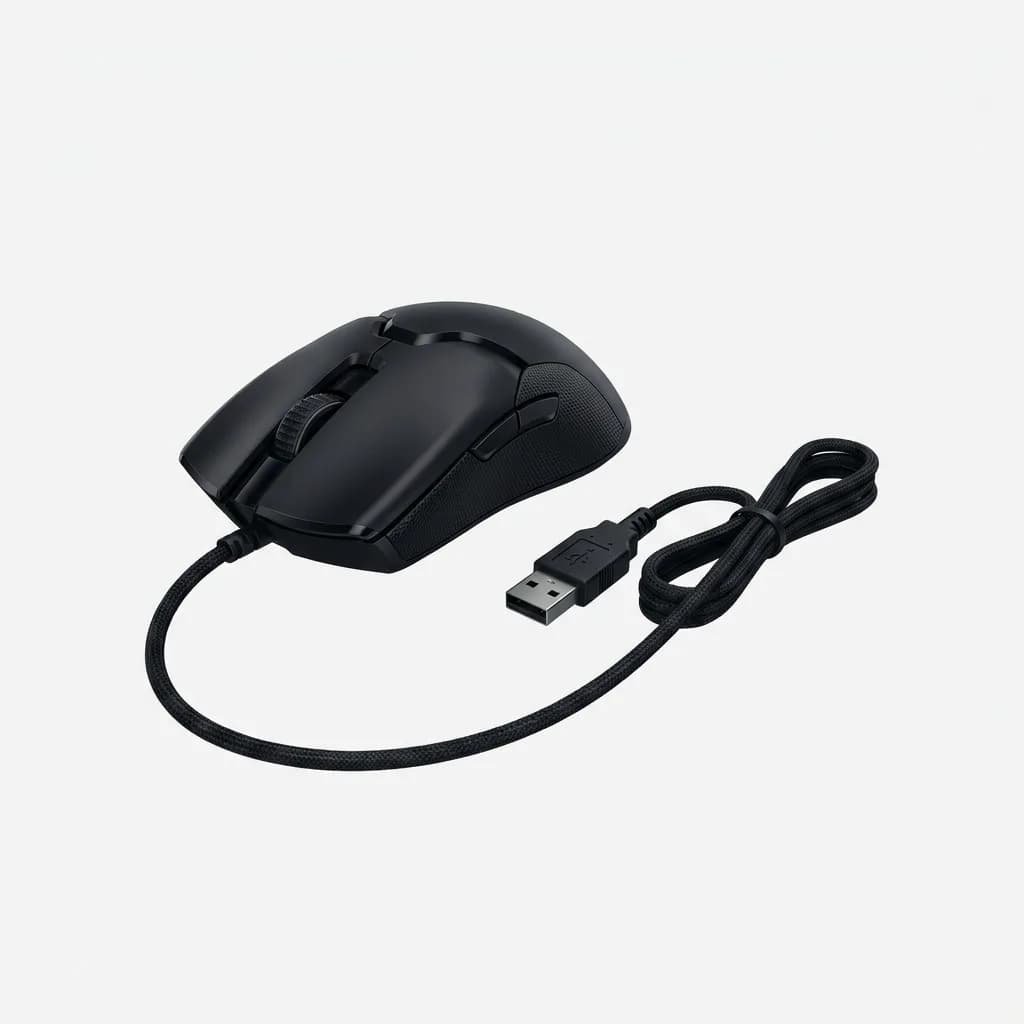
Razer Viper V2 (Wired)
$89
58g wired with Focus Pro 30K sensor, Speedflex cable. Same shape and performance as V3 Pro at $70 less. Best wired option for competitive play.
Grip Style Recommendations
For fingertip grip: Finalmouse UltralightX or Lamzu Atlantis Mini Pro. You want low profiles with minimal side flare so your fingers contact the mouse perpendicular to the surface.
For claw grip: Razer Viper V3 Pro or Pulsar X2 Mini. Moderate humps that support your palm arch without forcing your hand into a specific position.
For palm grip: Zowie EC2-DW or Logitech G Pro X Superlight 2. Higher backs and ergonomic curves that let you relax your hand completely.
Mouse Feet and Surface Pairing
Stock feet on these mice range from acceptable to excellent. The Viper V3 Pro's PTFE feet glide smoothly on cloth and hard pads. The Superlight 2's feet are thicker and provide more clearance, reducing friction on textured surfaces.
Aftermarket feet from Corepads or Tiger Gaming Arc offer marginal improvements - smoother glide and longer lifespan. Expect to pay $8-15 per set. Replace them when you feel scratchiness or uneven movement.
Hard pads provide faster, more consistent glide but less stopping friction. Cloth pads offer more control and dampen micro-movements. Most competitive players use cloth, but it's personal preference. Test both if you haven't settled on one.
Polling Rate: Is 4000Hz Worth It?
Razer and Logitech push 4000Hz polling with their latest dongles. In theory, this reduces input latency from 1ms (at 1000Hz) to 0.25ms. In practice, most players can't detect the difference.
Where 4000Hz helps: micro-adjustments during tracking scenarios. The additional polling smooths out cursor movement at pixel-level precision. For flick-heavy games like Valorant, the benefit is minimal. For tracking-heavy games like Apex, some players report slightly better consistency.
The catch: 4000Hz requires compatible receivers (sold separately) and increases power draw, cutting battery life by 20-30%. Start at 1000Hz. Only upgrade if you're at a skill level where hardware becomes the limiting factor.
The Verdict
The Razer Viper V3 Pro remains the benchmark - it does everything exceptionally with no meaningful compromises. For $159, you get flagship performance that will last years.
The Logitech G Pro X Superlight 2 is the comfortable alternative. If the Viper's shape doesn't fit your hand or you prefer PowerPlay charging, this is where to go.
The Lamzu Atlantis Mini Pro offers 90% of flagship performance at $99, making it the value pick for players who want competitive-grade hardware without premium pricing.
For palm grippers specifically, the Zowie EC2-DW is the only real option in this lineup. Nothing else provides that full-hand support.
Budget or wired requirements? The Pulsar X2 Mini at $79 and Razer Viper V2 at $89 deliver performance that exceeds their price points significantly.
What you won't find here: gimmicks. No excessive RGB, no proprietary software ecosystems, no marketing fluff about "gaming DNA." Just mice that track accurately, respond instantly, and get out of your way so you can focus on playing better.
The Weekly Dispatch
Enjoying this article?
Subscribe and get our best gear picks delivered every Sunday morning.
Related Stories

Best Console Cooling Dock for PS5 and Xbox 2026
Console cooling docks combine charging, storage, and airflow in one stand. We tested the top options for PS5 and Xbox to find which ones actually work.

Best Pro Controller for PS5 with Back Paddles
Back paddles transform how you play PS5 games. Here are the pro controllers that nail the feature without compromising comfort or response time.

Best Gaming Headset with Microphone Under $100
Top gaming headsets under $100 that deliver clear audio and reliable mics without sacrificing comfort or build quality during long sessions.