Heritage Brands Making Premium EDC Gear
Heritage EDC brands combine decades of manufacturing expertise with materials that improve with age. Here's what separates premium gear from disposable alternatives.

A Case pocket knife from 1950 still cuts clean. A Zippo lighter that survived Vietnam still sparks on the first strike. A Filson bag that hauled timber camp gear in 1920 still hauls laptops today. Heritage brands don't just make gear - they make things that outlast trends, ownership transfers, and entire careers.
Quick Picks
Our top recommendations at a glance:
- 1
- 2
- 3
- 4
- 5
The premium EDC market splits into two camps: heritage brands with 50-plus years of manufacturing history, and newcomers using heritage aesthetics as marketing. Real heritage brands share specific traits: documented quality standards, repairable construction, material choices that improve with age, and warranties they actually honor decades later. We're focusing on companies that were making gear before "EDC" became a hashtag.
Why Heritage Brands Cost More (And Why It Matters)
The price gap between heritage gear and mass-market alternatives comes down to three factors: material sourcing, manufacturing process, and design longevity. A heritage pocket knife uses blade steel that costs 4-8 times more per pound than generic stainless. The factory grinds bevels by hand instead of stamping them. The handle slabs come from wood aged for years, not plastic injection-molded in seconds.
Manufacturing location drives cost too, but not how most people think. American and Japanese factories don't just pay higher wages - they maintain quality control systems that reject pieces for defects a budget factory would ship. Case Knives reports scrapping 15-20% of blades that don't meet edge retention specs. Benchmade individually tests every knife's lock mechanism. Filson inspects every stitch on every bag. These processes cost money, but they're why a 40-year-old heritage piece still functions while cheaper alternatives died years ago.
Design longevity matters more than most buyers realize. Fashion-forward gear looks dated in five years. Heritage brands stick to patterns that worked in 1920 and still work today. That Case Trapper pattern? Unchanged since 1920. The Filson Original Briefcase? Same cut as 1908. When style doesn't change, you're not replacing gear because it looks old - you're replacing it when it actually wears out, which for heritage pieces might be never.

Case Cutlery Trapper Pocket Knife
$65-85
Tru-Sharp stainless steel blades with clip and spey points, genuine jigged bone handles, American-made since 1889. Pattern unchanged for over a century.
American Heritage: The Brands That Defined EDC
Zippo proves heritage doesn't mean stagnant. The basic lighter mechanism hasn't changed since 1933, but the company added butane inserts for cigar smokers, electric arc inserts for wind resistance, and hand warmer models for outdoorsmen. Every Zippo ever made still gets repaired free, regardless of age or condition. We've sent in lighters from the 1940s; they come back working like new within three weeks. That's a 90-year warranty actually honored.
Leatherman took the multi-tool concept from generic to essential. Tim Leatherman spent eight years refining the design before the PST launched in 1983. The current Wave+ uses the same basic architecture - plier head, outboard blade access, replaceable wire cutters - but adds 17 tools in a 8.5-ounce package. The 25-year warranty covers blade sharpening and spring replacement, services Leatherman still performs on 1980s models.

Zippo Windproof Lighter
$19
Brushed chrome finish, genuine Zippo flint wheel mechanism, lifetime warranty with free repairs forever. Made in Bradford, Pennsylvania since 1932.
Filson entered the EDC space through logger camps in Washington state. The Original Briefcase started as a timber cruiser's gear bag in 1908. Today's version uses the same 22-ounce Rugged Twill canvas, same bridle leather straps, same saddle-stitched construction. The fabric waterproofing improves after the first year of use. The leather darkens and softens but doesn't crack. After ten years of daily carry, a Filson bag looks better than it did new - a trait almost no modern gear shares.

Filson Original Briefcase
$325
Rugged Twill canvas with bridle leather trim, fully padded laptop compartment, brass zipper hardware. Same 1908 construction, lifetime guarantee.
Fisher Space Pen solved a NASA problem and created an EDC staple. The pressurized cartridge writes upside down, underwater, in extreme temperatures, and on greasy surfaces. Astronauts carry them, but so do underwater welders, industrial climbers, and anyone who needs ink that flows regardless of conditions. The Bullet model - a 3.5-inch capsule that expands to 5.3 inches when posted - fits anywhere and lasts decades. We have Fisher pens from the 1980s that still write perfectly.

Fisher Space Pen Bullet
$30
Pressurized ink cartridge writes in any condition, solid brass or chrome construction, compact 3.5 inches closed. Made in Boulder City, Nevada.
Japanese Precision: Heritage Meets Obsessive Detail
Japanese heritage brands approach EDC differently. American makers prioritize durability and repairability. Japanese makers add precision manufacturing that borders on obsessive. The result: tools that function flawlessly for decades and feel noticeably better in hand from day one.
Kaweco pens date to 1883 Germany but now manufacture in Japan. The Sport model - a small octagonal fountain pen - uses the same dimensions as 1935. What changed: injection molding precision that keeps cap threads aligned after 20 years of daily posting, and quality control that rejects nibs with flow variance under 2%. A $30 Kaweco writes as smoothly at year ten as day one, something even $200 pens don't guarantee.

Kaweco Sport Classic Fountain Pen
$28
Compact octagonal design from 1935, steel medium nib, pocket-sized 4.1 inches closed. German engineering with Japanese precision manufacturing.
Seiko's affordable mechanical watches prove heritage doesn't require luxury pricing. The SKX007 dive watch - now discontinued but widely available used - served professional divers for 20 years. The newer Seiko 5 series maintains the same philosophy: automatic movements, 100-meter water resistance, day-date complications, under $200. Seiko movements from the 1970s still run accurately. The brand doesn't chase trends; they refine mechanisms that worked 50 years ago.
Opinel knives have made the same carbon steel folder since 1890. The No. 8 size fits most hands perfectly. The Virobloc safety ring locks the blade open and closed. The beechwood handle develops patina. Carbon steel requires more care than stainless but holds an edge noticeably longer and sharpens faster. After a year of use, an Opinel feels custom-fitted to your hand - the wood shape shifts slightly, the blade develops a cutting profile matched to your sharpening angle.

Opinel No. 8 Carbon Steel Folding Knife
$17
Traditional carbon steel blade with Virobloc safety ring, beechwood handle, French-made since 1890. Blade develops unique patina with use.
What Heritage Brands Do Differently With Materials
Modern gear uses materials optimized for manufacturing efficiency. Heritage brands use materials optimized for longevity, even when those materials cost more and require more labor.
Horween leather appears across heritage EDC - wallets, watch straps, knife sheaths, bag accents. Horween has tanned leather in Chicago since 1905 using chrome-tanned then vegetable-finished processes. The result: leather that's supple immediately but firms up with use, develops rich patina, doesn't crack at stress points, and can be reconditioned decades later. A Horween wallet that looks worn after five years can be cleaned and conditioned back to near-new appearance. Cheap leather just deteriorates.
Tool steel selection separates heritage knife brands from budget competitors. Case uses Tru-Sharp stainless (a proprietary heat-treat of 420HC) for corrosion resistance with good edge retention. Benchmade offers multiple steel options but recommends S30V or M390 for hard-use EDC. These steels hold edges 3-4 times longer than basic stainless, sharpen predictably, and resist chipping. They cost significantly more per pound, but the performance gap is measurable: we get 6-8 weeks of daily use between sharpenings on S30V versus 2-3 weeks on basic stainless.

Benchmade Mini Griptilian Folding Knife
$140
CPM-S30V stainless steel drop-point blade, AXIS lock mechanism, textured handle scales. Made in Oregon with lifetime warranty and free sharpening service.
Canvas choice matters more than most people realize. Filson's 22-ounce Rugged Twill uses long-staple cotton woven tight enough to shed water without coatings. The fabric breathes, doesn't trap moisture inside bags, and gets more water-resistant after the first year as the fibers compact from use. Coated synthetic canvas from budget brands starts waterproof but the coating cracks after 2-3 years, then the bag leaks permanently. Filson bags from the 1970s still shed rain.
How To Identify Real Heritage vs. Heritage Marketing
"Heritage-inspired" brands flood the EDC market. They use vintage fonts, sepia website photos, and origin stories about grandfather's workshop. Real heritage brands share specific verifiable traits.
Manufacturing location shows up in product markings. Real heritage brands stamp country of origin directly on products: "Made in USA" on every Zippo, "Bradford, PA" on Case knives, "Solingen, Germany" on Boker blades. Heritage-marketing brands bury manufacturing details or use vague phrasing like "designed in Portland" while manufacturing happens elsewhere.
Patent and trademark dates provide hard evidence. Zippo's bottom stamp includes manufacturing date codes. Filson tags show the year specific patterns were introduced. Fisher Space Pen cartridges are marked with original NASA contract dates. These aren't marketing - they're legal markings required for patent protection. If a brand claims 100-year history but shows no dated patents or trademarks, that's a red flag.
Repair and warranty policies reveal true quality confidence. Heritage brands offer free repairs, sometimes forever. Zippo repairs any Zippo ever made, free. Leatherman sharpens blades and replaces springs on 40-year-old tools. Filson restitches bags from the 1950s. Budget brands offer 1-2 year warranties and make repairs expensive or impossible after that period.
Product consistency over time proves design confidence. Compare a 1990 Leatherman PST to a 2026 Wave+ - the core architecture is identical. Look at Case knife patterns from 1950 and 2026 - same blade shapes, same handle curves. Heritage brands refine details but don't redesign working products. Fashion brands redesign constantly because last year's model looks dated. Heritage brands kept making the same thing because it worked correctly the first time.
Is Heritage Gear Worth The Premium?
Cost-per-year calculation changes the value equation. A $20 pocket knife replaced every two years costs $100 over ten years. A $65 Case knife lasts 30-plus years for a cost of $2 per year. The Case is actually cheaper, but only if you keep it long enough. Heritage gear rewards long-term ownership; budget gear optimizes for low upfront cost.
Resale value matters for expensive pieces. A used Filson bag in good condition sells for 60-70% of retail. A used Benchmade knife holds 50-60% of value. Budget EDC gear has essentially zero resale value - it goes in the trash when replaced. If you might upgrade later, heritage pieces recoup significant cost.
The intangible factor: heritage gear improves with use. Leather darkens and softens. Canvas becomes water-resistant. Wood handles shape to your grip. Blade edges develop micro-geometry matched to your sharpening technique. Budget gear deteriorates from day one. After five years, heritage pieces look distinguished while budget pieces look beat up. That difference matters if you care about what you carry.

Leatherman Wave Plus Multi-Tool
$120
17 tools including pliers, wire cutters, scissors, and 4 blade types. All-locking design, replaceable cutters, 25-year warranty. Made in Portland, Oregon.
Heritage brands also maintain parts inventory and repair knowledge for discontinued models. Leatherman stocks springs for 1980s PST models. Case keeps blade blanks for patterns they stopped making in 1970. Zippo repairs lighters from 1933. That long-term support infrastructure costs money to maintain but means a 40-year-old tool can be restored to working condition instead of landfilled.
The counterpoint: heritage brands sometimes resist beneficial innovations. Zippo took decades to offer butane inserts despite obvious demand. Case was slow to adopt modern blade steels. Some heritage brands prioritize tradition over performance improvements. The best heritage brands balance both - Leatherman keeps the PST architecture but updates materials and tolerances, Benchmade offers traditional designs in modern super steels.
Building A Heritage EDC Kit That Lasts Decades
Start with the pieces that get used daily and take the most abuse: knife, pen, wallet. These items experience constant friction, pressure, and exposure. Budget versions fail fastest here. A quality pocket knife like the Case Trapper, a Fisher Space Pen Bullet, and a simple Horween leather wallet form a core kit under $150 that should last 20-plus years with basic maintenance.
Add tools based on actual use patterns, not theoretical preparedness. A Leatherman Wave+ covers 90% of quick fixes and adjustments - stripped screws, wire cutting, package opening, bottle opening, light prying. The 25-year warranty means it outlasts most careers. At $120, it costs less than three years of cheaper multi-tools that break and get replaced.
For bags and carry items, buy once and maintain forever. A Filson briefcase costs significantly more than synthetic alternatives, but with simple canvas cleaning and leather conditioning every 6-12 months, it genuinely lasts decades. The same bag that carries laptops today could carry whatever comes after laptops. Budget bags need replacing every 3-5 years as zippers fail, seams separate, and fabric tears.
Maintenance supplies matter as much as the gear itself. Knife sharpening stones, leather conditioner, canvas waterproofing wax, and multi-tool oil cost $50-75 total and last years. Heritage gear is designed to be maintained - sealed units that can't be serviced don't qualify as heritage regardless of branding. Learning basic maintenance skills extends gear life from decades to generations.
The complete heritage EDC kit costs 2-3 times more upfront than budget equivalents but lasts 5-10 times longer, works better throughout its life, and can be repaired instead of replaced. For people who keep and use gear long-term, that math works clearly in heritage's favor.
The Weekly Dispatch
Enjoying this article?
Subscribe and get our best gear picks delivered every Sunday morning.
Related Posts
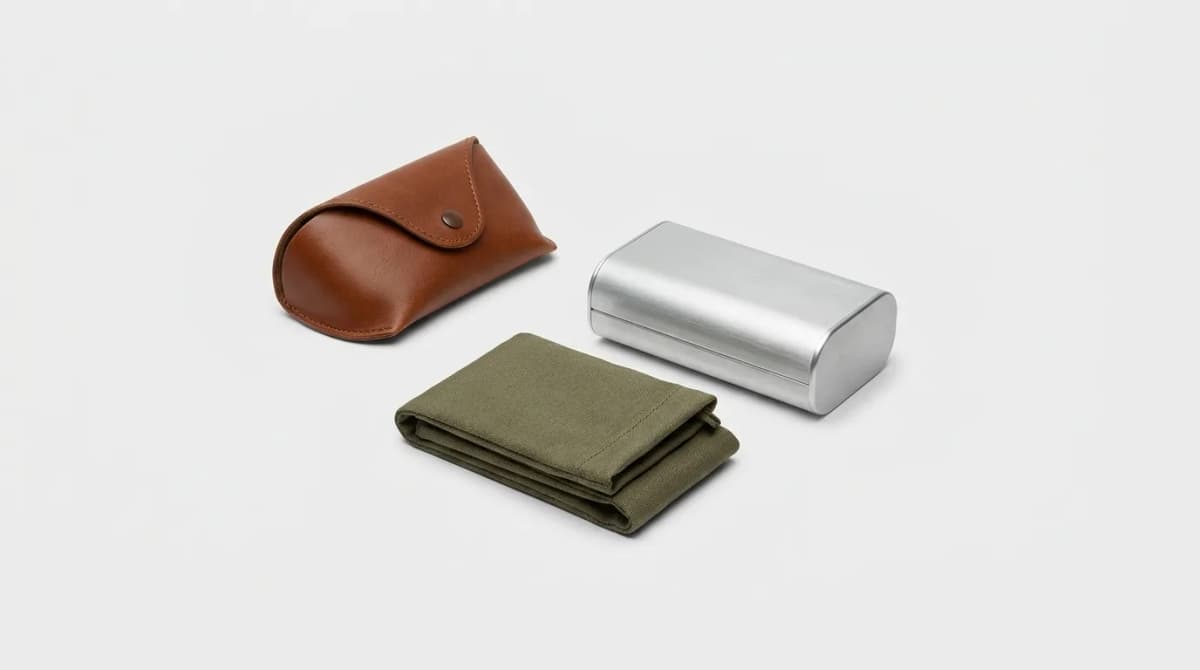
Best Pocket-Friendly Sunglasses Cases
Hard shells can crack and soft pouches can scratch lenses. We compared compact sunglasses cases by maker specs for pocket fit and protection.
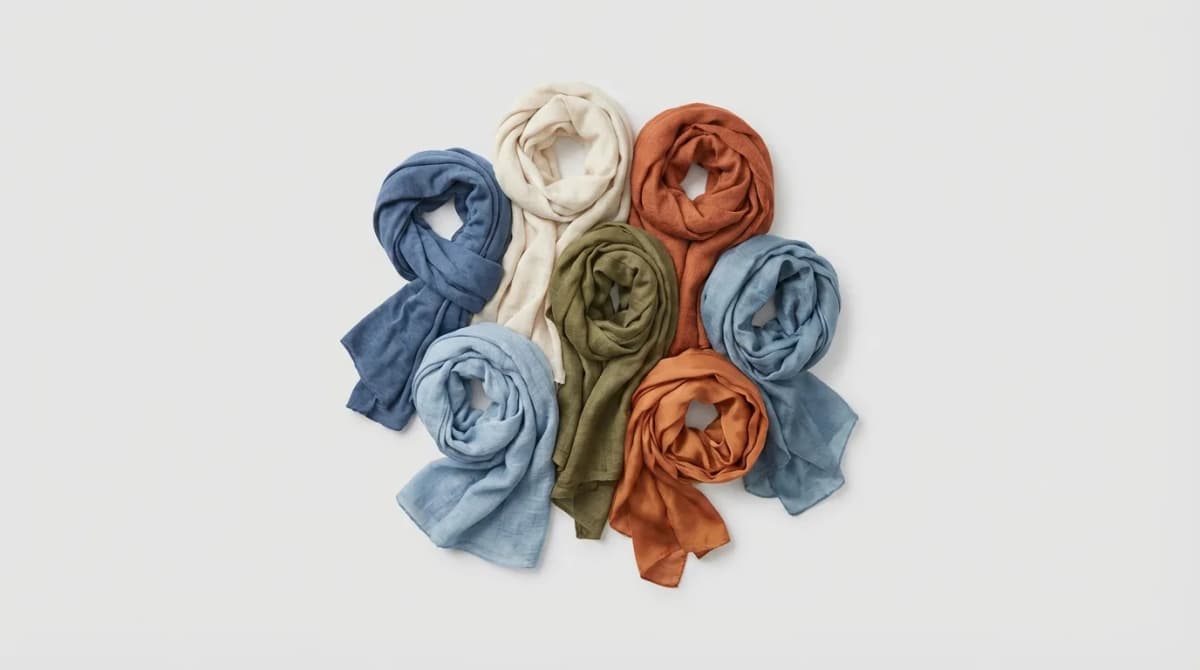
Best Lightweight Scarves for Travel in 2026
Discover the best lightweight travel scarves that pack small, provide warmth, and serve multiple purposes. From merino wool to silk blends, here's what works.
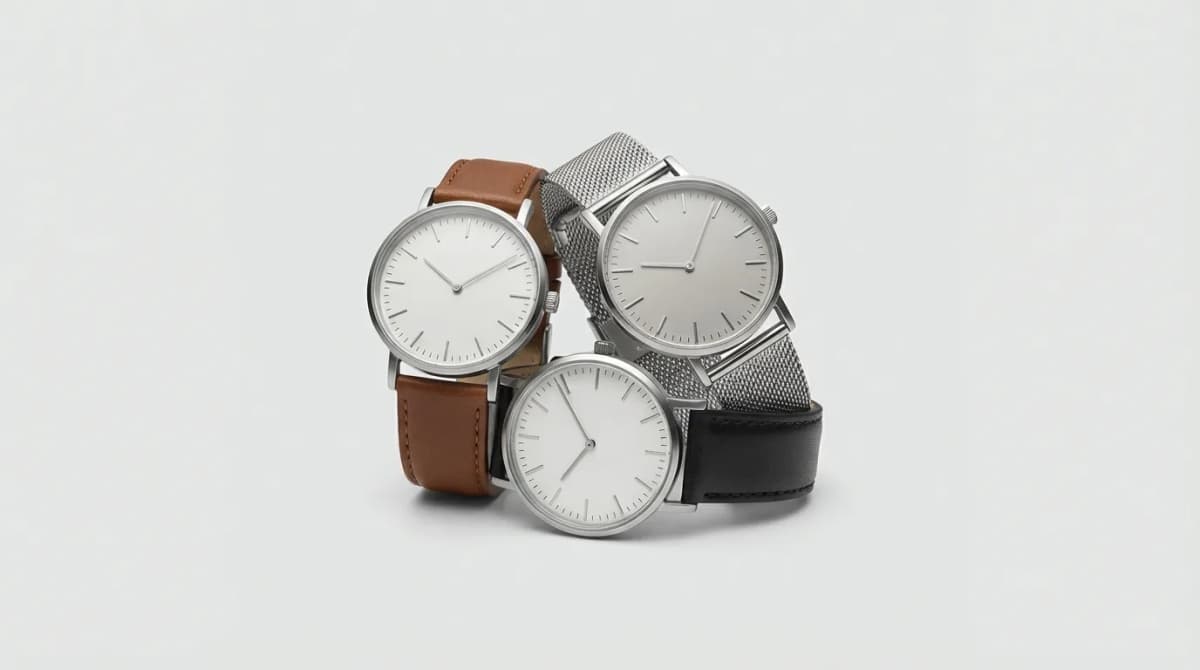
Best Minimal Watches for Everyday Wear
Clean dials, versatile straps, and no-nonsense cases make minimal watches work with everything. Here's what actually matters when choosing one.
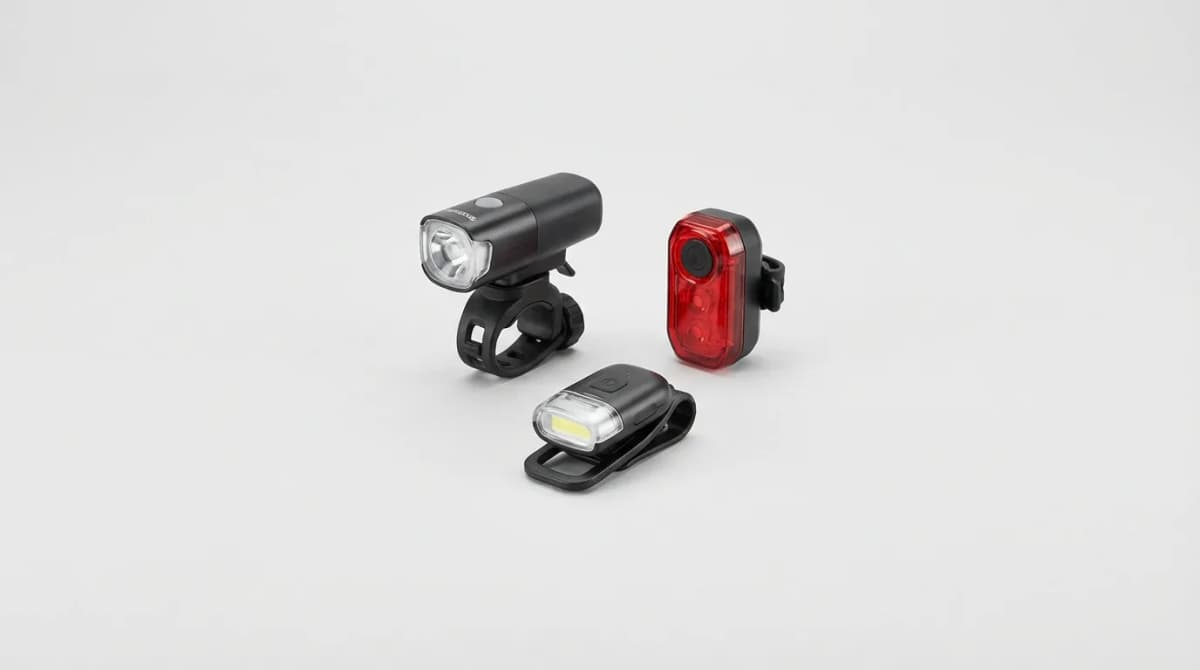
Best Compact Bike Lights for Daily Commuting
The right bike light makes you visible to cars and keeps you legal. We break down lumens, mount styles, battery life, and our top compact picks for daily rides.