Best Sneakers for Travel That Look Clean
The best travel sneakers balance comfort, durability, and style while resisting dirt. Here's what actually works for weeks on the road without looking trashed.
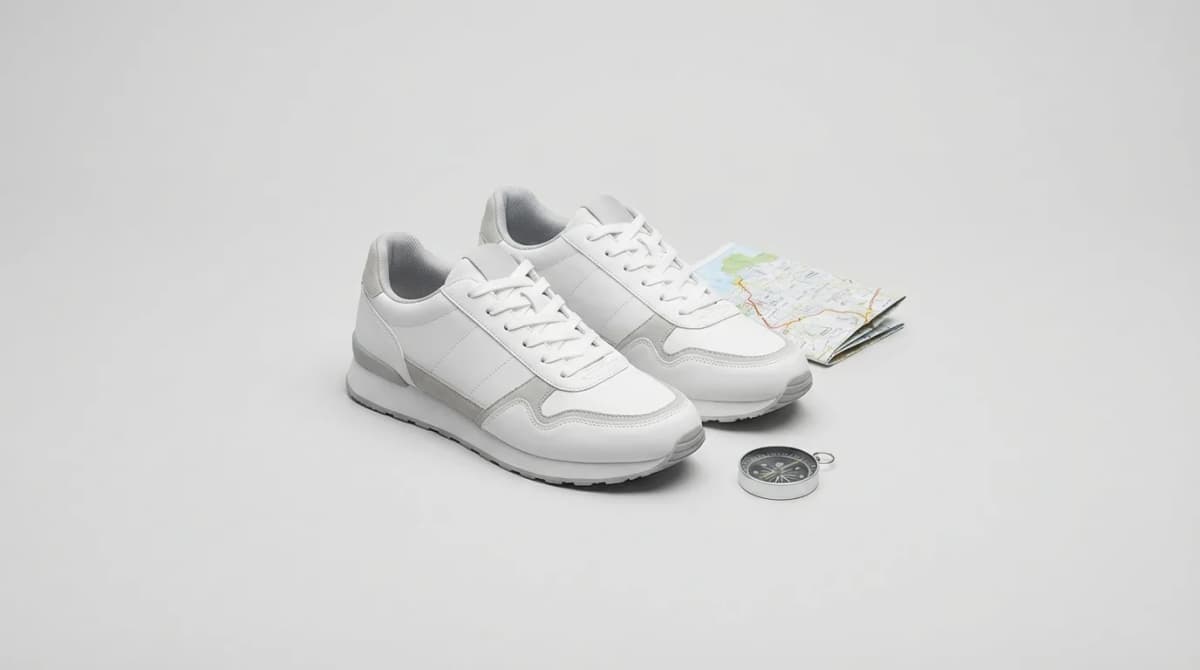
Most travel sneakers look fine for three days. Then the scuffs appear, the white parts turn grey, and you realize you packed the wrong shoes. The problem is not wear, it's materials that can't handle real use.
The best travel sneakers for airport terminals, cobblestone streets, rainy cities, and dusty trails share specific traits: treated leather or synthetic uppers that repel stains, rubber that resists scuffing, construction that survives repeated wet-dry cycles, and silhouettes that pair with jeans or chinos without looking like gym shoes.
Here's what actually holds up.
Why Material Matters More Than Brand
Cotton canvas sounds casual and breathable until it absorbs every coffee spill and sidewalk splash. Untreated leather develops dark spots from rain within hours. Mesh breathes well but traps dirt in the weave where it's nearly impossible to remove.
The sneakers that stay clean use one of three approaches: full-grain leather with water-repellent treatment, synthetic materials engineered to shed moisture, or knit uppers with hydrophobic coatings. Each has tradeoffs.
Treated leather ages better and tolerates repeat cleaning with a damp cloth. It creases instead of tearing and can be polished if scuffs appear. The downside is weight and break-in time.
Synthetic uppers (polyurethane, thermoplastic, or rubber-coated fabrics) resist stains immediately and wipe clean in seconds. They're lighter and require no break-in. The tradeoff is less breathability and a slightly more technical look that doesn't work in every context.
Coated knit offers the best of both: it breathes, flexes naturally, sheds water, and weighs almost nothing. The catch is durability. Knit can snag on rough surfaces and wears through faster than leather or solid synthetics in high-friction zones like the heel collar.
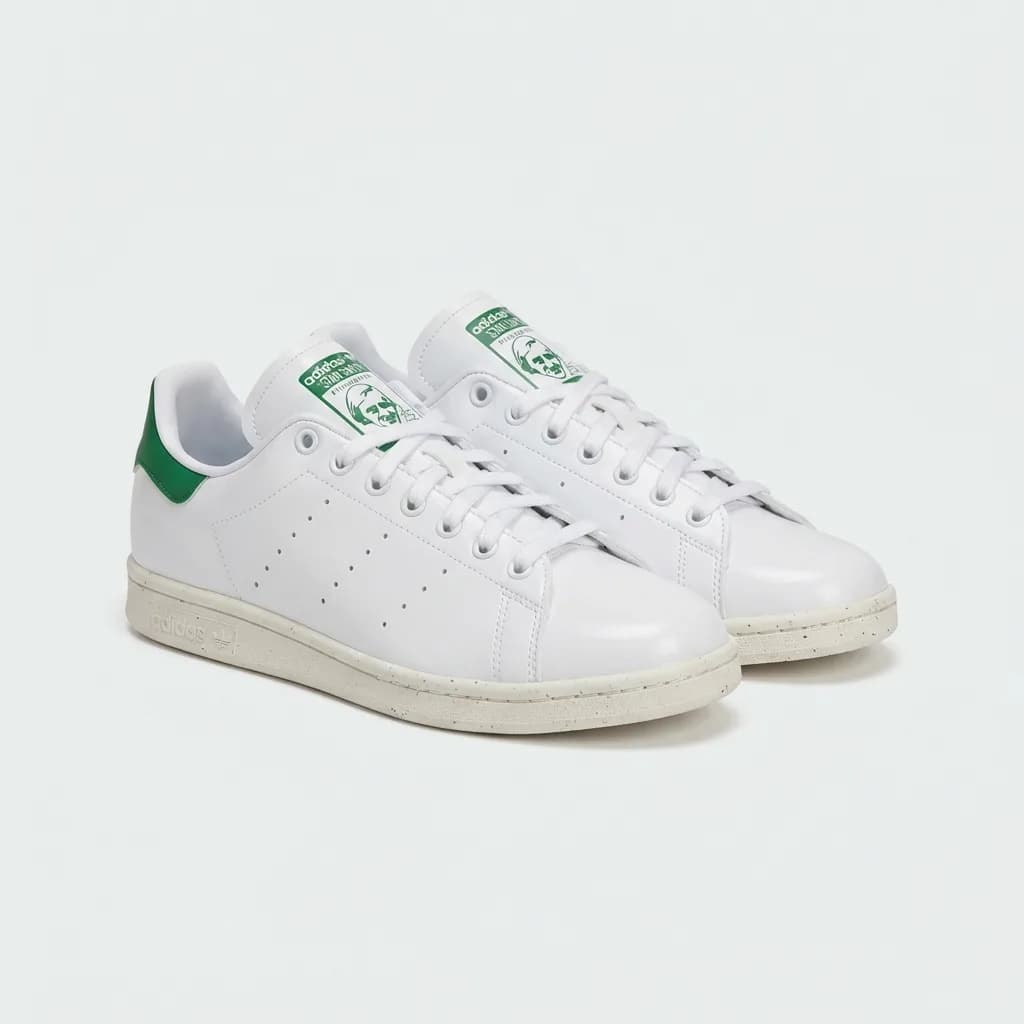
Adidas Stan Smith Primegreen
$90
Vegan leather upper with water-resistant coating. Clean minimalist design. Recycled materials throughout. Versatile enough for casual dinners or long walks.
The White Sneaker Problem (And How to Solve It)
White sneakers look sharp but staying white requires either obsessive cleaning or the right materials. Pure white canvas or mesh turns dingy within days of travel. You can delay it with protective sprays, but once dirt works into the fibers, it's permanent.
All-white leather sneakers hold up better because you can wipe them down with a damp cloth or use a leather cleaner without soaking the material. Soles are the bigger issue. White rubber soles yellow over time and absorb scuff marks that won't buff out.
Off-white or cream tones hide wear better than pure white without sacrificing the clean aesthetic. Gum rubber soles resist scuffing and aging better than white rubber. If you want a white sneaker for travel, look for full leather uppers and gum or grey outsoles.
Some travelers skip white entirely and go for light grey, tan, or navy. These colors camouflage dirt naturally while maintaining a polished look. The best color depends on what you wear: light grey pairs with earth tones, navy works with denim and chinos, tan complements darker pants.

Greats Royale
$169
Italian leather with contrast sole. Minimal branding. Hand-finished details. Available in versatile off-white, grey, and navy colorways. Lightweight cup sole for all-day comfort.
Comfort Features That Actually Matter
Arch support and cushioning get the attention, but fit consistency matters more for travel. A sneaker that feels great in the store can turn painful after eight hours of walking if the heel slips or the toe box compresses.
Look for a structured heel counter that holds your foot in place without rubbing. The best designs use internal reinforcement rather than thick external padding, which reduces bulk and hot spots. The heel collar should sit below your ankle bone, not above it, to prevent chafing when you're moving all day.
Toe box width determines whether your feet swell comfortably or cramp up by afternoon. Narrow athletic cuts work for short wear but cause problems during long travel days. Look for a rounded toe box with enough room to wiggle your toes without the shoe looking oversized.
Cushioning is personal. Some people prefer firm, responsive foam that returns energy with each step. Others want soft, plush midsoles that absorb impact. For travel, we lean toward moderate cushioning that balances comfort and ground feel. Overly soft sneakers feel great initially but compress over time and provide less stability on uneven surfaces.

Allbirds Tree Runners
$110
Eucalyptus fiber upper with merino wool insole. Machine washable. Lightweight foam midsole. Natural odor resistance. Packs flat in carry-on luggage.
How to Clean Travel Sneakers Without Destroying Them
Most cleaning advice assumes you have access to a washing machine, specialty brushes, and drying time. Travel cleaning needs to work in a hotel sink with a towel and maybe a bar of soap.
For leather sneakers, a damp microfiber cloth handles 90% of dirt. Wipe the uppers after each wear before the dirt dries and sets. For stubborn marks, add a drop of hand soap to the cloth, work it gently into the leather, then wipe with a clean damp cloth. Dry with a towel immediately. Never soak leather sneakers or leave them wet overnight.
Synthetic and coated knit uppers tolerate more aggressive cleaning. You can use a wet cloth with soap, scrub harder, and rinse under running water if needed. These materials dry fast, usually within a few hours at room temperature. Stuffing them with paper towels or a dry hand towel speeds the process.
Soles clean easily with a damp cloth and soap regardless of material. White soles benefit from a magic eraser (melamine foam) which removes scuffs without chemicals. Pack a small piece in your toiletry bag.
The biggest cleaning mistake is using too much water. Soaking sneakers can delaminate glued components, warp midsole foam, and cause leather to crack as it dries. Keep cleaning surface-level and let air circulation handle the rest.
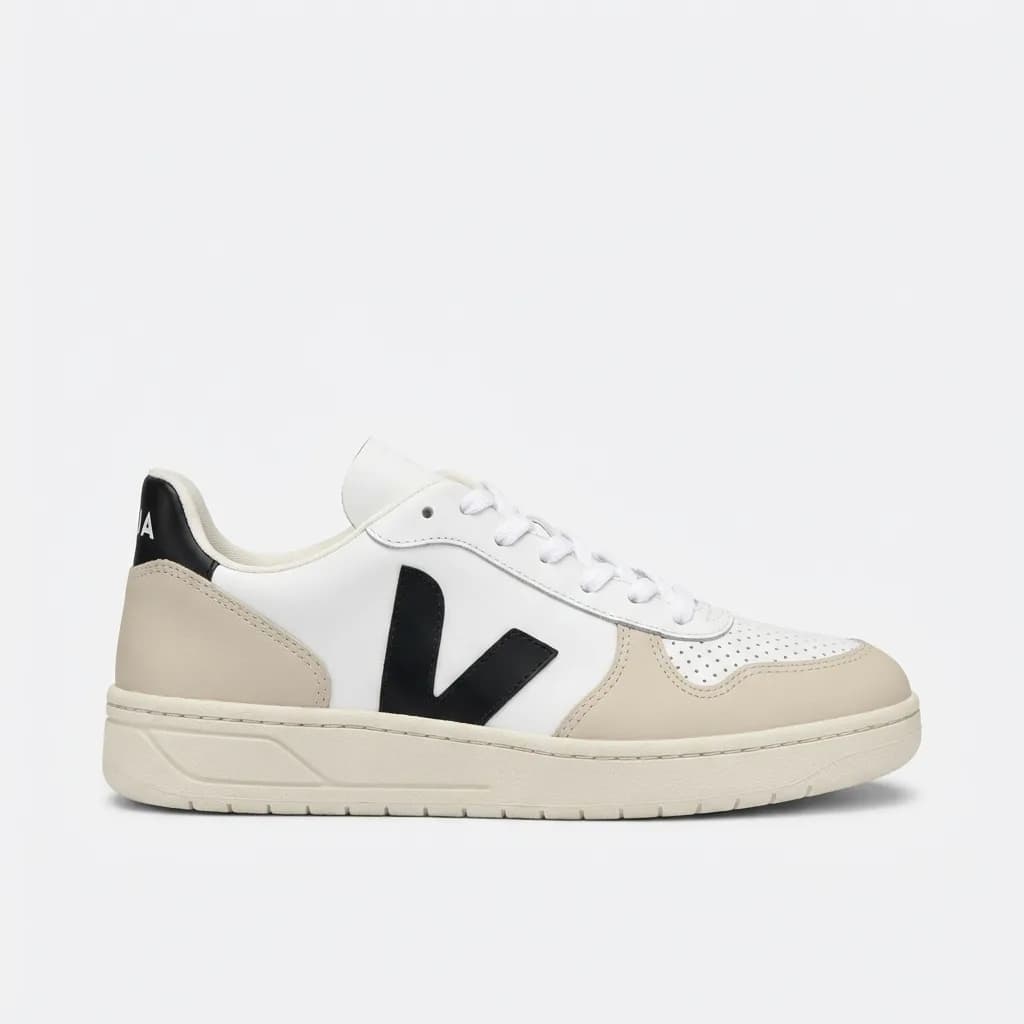
Veja V-10
$150
Chromefree leather with rubber panels. Made with recycled and organic materials. Distinctive side V logo. Easy to wipe clean. Classic court sneaker silhouette.
Travel-Specific Design Features to Look For
Travel sneakers need details that regular everyday sneakers skip. A flat, flexible sole bends easily when packed in a carry-on without deforming. Thick, rigid running shoe soles take up space and resist compression.
Low-profile designs slip on and off quickly at airport security. High-tops and sneakers with complex lacing systems slow you down. If you need ankle support, consider low-mid designs that stop below the ankle bone.
Breathability matters more during travel because you're wearing the same pair for consecutive days. Look for perforations, mesh panels, or knit construction in areas that contact your foot directly. Fully sealed synthetic uppers trap heat and moisture, leading to discomfort and odor.
Weight becomes noticeable when you're on your feet for hours. Sneakers under 10 ounces per shoe feel noticeably lighter than 14-ounce models. This matters less if you're checking bags but makes a difference when everything goes in a carry-on.
Replaceable insoles let you swap in custom orthotics or upgrade to better cushioning without changing shoes. Most sneakers use glued-in insoles that can't be removed, limiting your options if the stock footbed doesn't work for you.
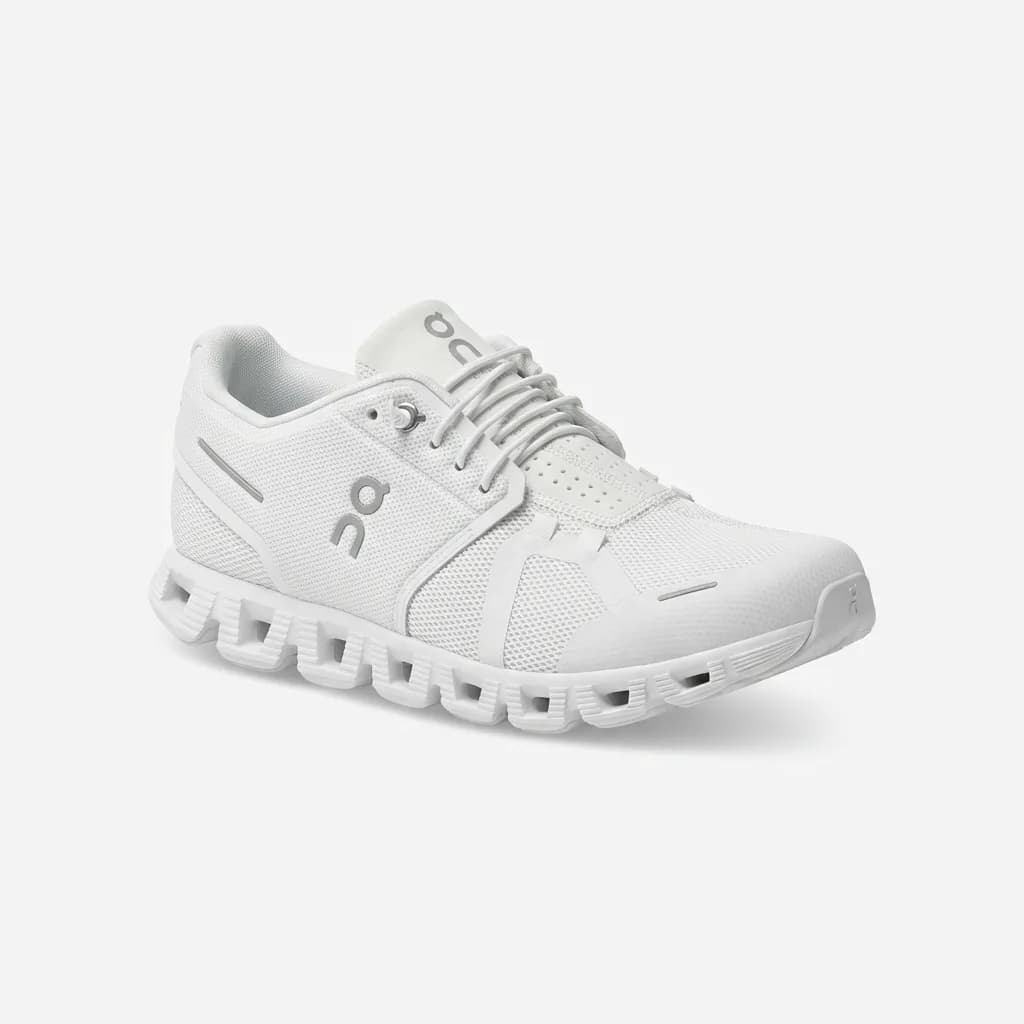
On Cloud 5
$140
CloudTec cushioning with Speedboard for responsive feel. Antimicrobial treatment resists odor. Water-resistant version available. Distinctive pod sole design. Weighs 8.5 oz per shoe.
What Works for Different Types of Travel
City travel prioritizes style and walkability over technical features. Minimalist leather sneakers with clean lines work with jeans, chinos, or casual trousers and handle 15,000+ steps per day on pavement. You need moderate cushioning and a sole that grips wet stone or tile without looking like a hiking shoe.
Outdoor-focused trips require more aggressive tread, water resistance, and durability. Trail-running sneakers offer these features while maintaining a sneaker aesthetic. They're heavier and more technical-looking but handle dirt paths, wet grass, and rocky terrain without falling apart.
Mixed travel (cities plus light hiking) calls for hybrid designs: casual enough for restaurants, rugged enough for day hikes. These usually have synthetic or treated leather uppers, deeper tread patterns, and reinforced toe caps. They won't be the lightest option, but they handle diverse conditions without needing a second pair.
Beach and warm-weather travel benefits from quick-drying materials and open construction. Mesh or knit uppers dry fast after getting wet and provide maximum breathability. Pair them with packable sandals for beach time and you're covered for most tropical destinations.
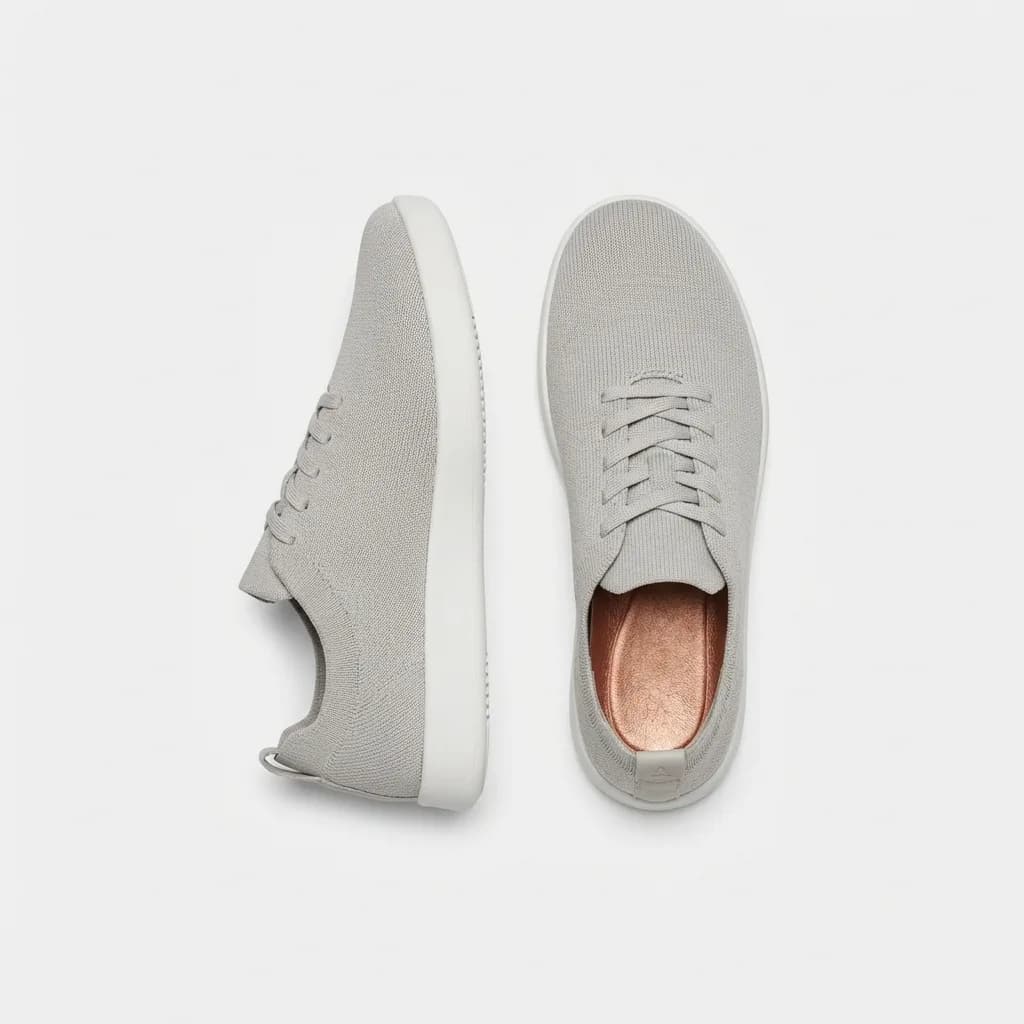
Atoms Model 000
$129
Copper-infused antimicrobial insoles. Quarter-size increments for precise fit. Machine washable. Lightweight and flexible. Minimal design works with any outfit. Made from recycled materials.
Breaking In New Sneakers Before Your Trip
Never travel in unworn sneakers. Even the most comfortable designs need time to conform to your feet. Start wearing new sneakers at least two weeks before departure for short periods: around the house, on errands, during walks.
Pay attention to hot spots where friction occurs. These often appear at the heel counter, across the top of the foot where laces create pressure, or at the little toe. Most hot spots resolve as the materials soften, but persistent rubbing means the fit is wrong.
If you notice discomfort after the first few wears, address it before traveling. Add heel grips if your foot slips, try different lacing techniques to relieve pressure points, or swap insoles for better arch support. Small adjustments at home prevent blisters abroad.
Once broken in, wear your travel sneakers for a full day of walking before your trip. This confirms they're ready for real use and reveals any issues that only appear during extended wear.
When One Pair Isn't Enough
Most travelers default to one pair of sneakers plus sandals or dress shoes. This works for short trips, but longer travel benefits from a second pair in a different style.
Two pairs let you rotate daily, giving each pair time to dry and air out. This extends the life of both pairs and keeps them fresher. It also provides a backup if one pair gets soaked, damaged, or causes unexpected discomfort.
The second pair should complement the first. If your primary sneakers are white leather court shoes, add grey or navy running-style sneakers. If you start with technical trail runners, bring minimal slip-ons for downtime and casual dining.
Both pairs should pack reasonably flat and together weigh less than 2 pounds. Avoid bringing multiple bulky sneakers that dominate your luggage space.
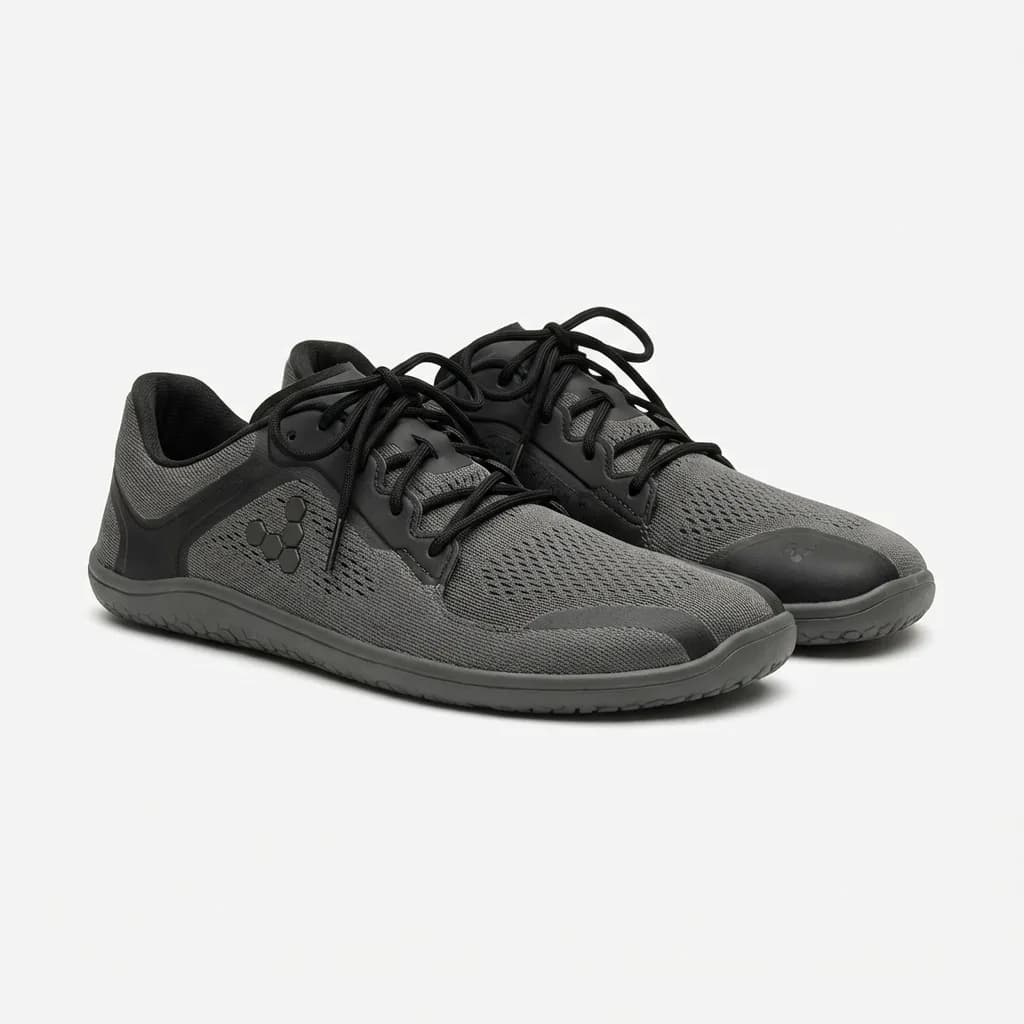
Vivobarefoot Primus Lite III
$130
Barefoot design with wide toe box and zero-drop sole. Recycled PET upper. Flexible and packable. Ultra-lightweight at 5.6 oz per shoe. Thermal insole regulates temperature. Vegan construction.
What to Expect on the Road
Each pick is built to handle rain, dust, cobblestones, airports, restaurants, and museums without looking worn out. Their materials clean easily with basic hotel supplies, dry quickly after getting soaked, and pair with everything from shorts to trousers.
The best travel sneakers disappear from your attention. You stop thinking about your feet and focus on where you're going. They handle whatever conditions you encounter without requiring special care or limiting where you can go. That's the standard worth packing for.
The Weekly Dispatch
Enjoying this article?
Subscribe and get our best gear picks delivered every Sunday morning.
Related Posts
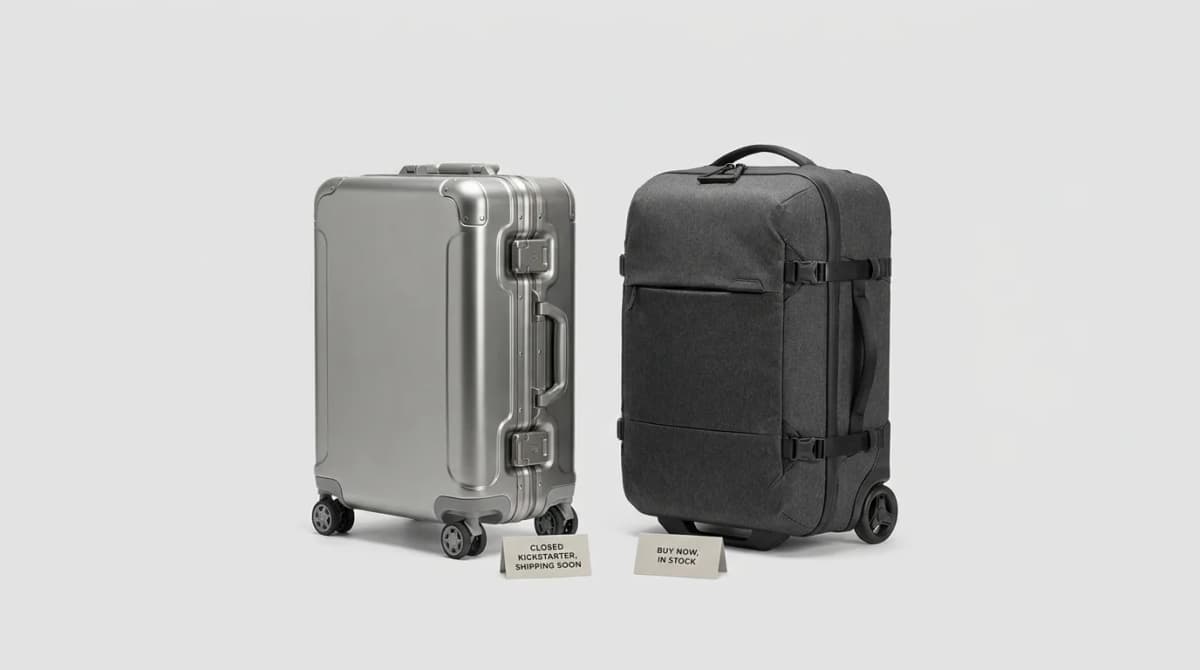
Titaner Voyager vs Peak Design: Titanium Carry-On
Peak Design owns Kickstarter travel bags. Titaner answered with a Grade 1 titanium latch spinner - not another backpack. Closed KS ship watch vs Roller Pro buy-today: who waits for Voyager, who buys Peak now.
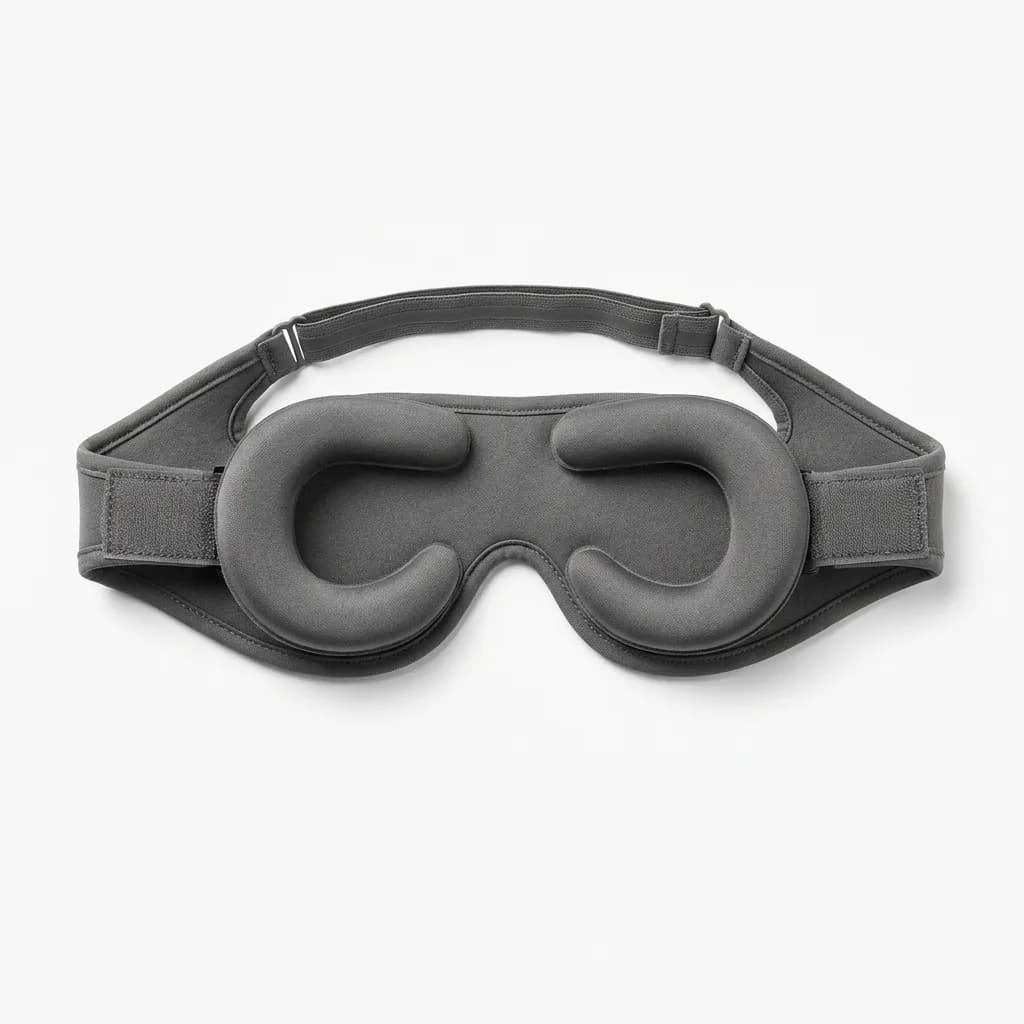
Best Sleep Masks for Flights and Hotels
Foam blocks more? Not always. We compare contoured, silk, and eye-cup sleep masks for flights and hotels so you pick blackout that still packs small.
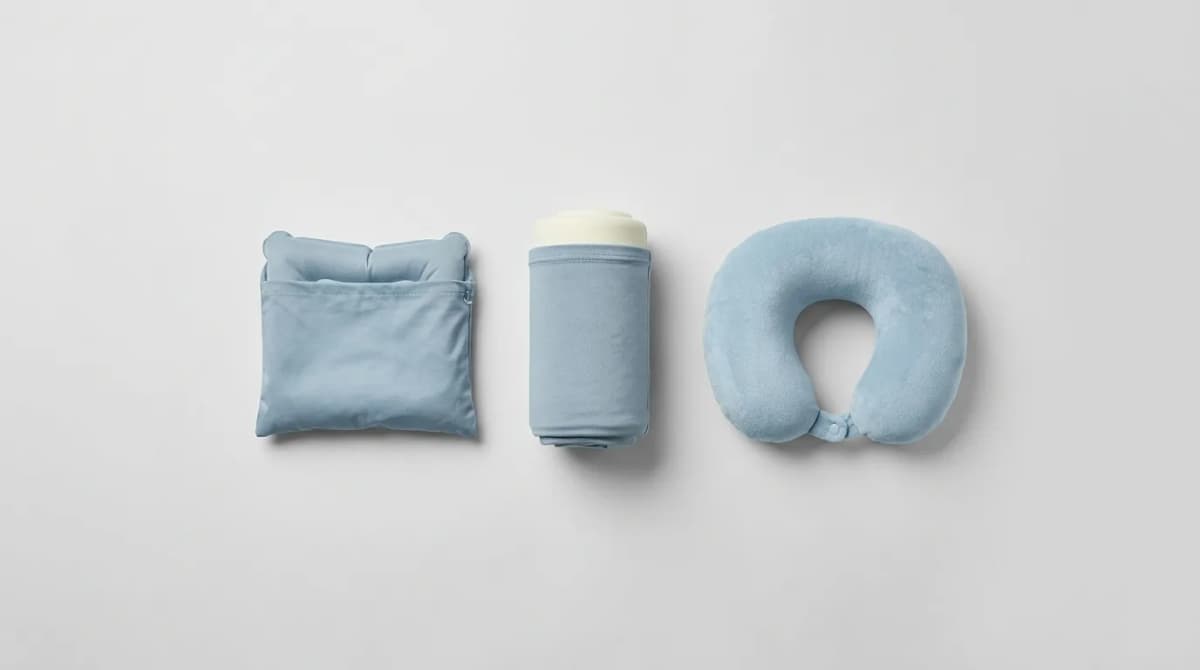
Best Travel Pillows That Pack Small
Compact travel pillows compared: inflatable vs memory foam, what actually supports your neck on flights, and which ones compress small enough to matter.
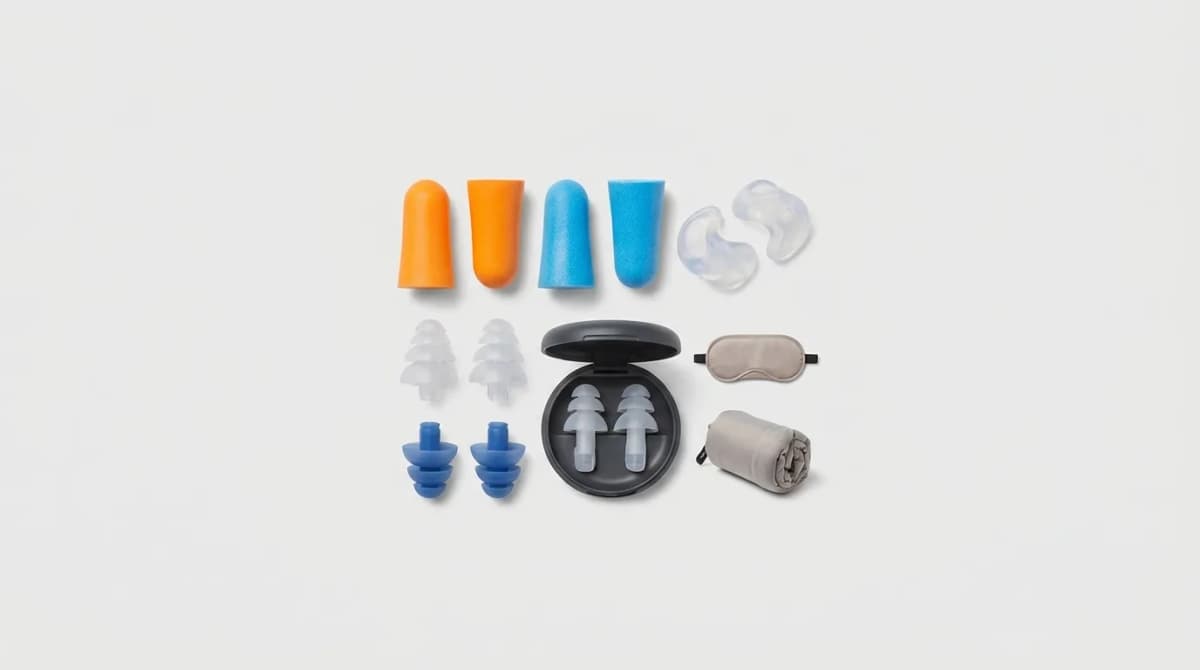
Earplugs for Travel: Which Type Works Best
Foam blocks more noise but silicone lasts longer. We compared every type by NRR ratings and materials for flights, hotels and noisy neighbors.