Best Car Seat Cushions for Long Drives & Back Pain (2026)
Memory foam vs gel vs wedge car seat cushions for long drives, sciatica and lower back pain, compared by maker specs and price.
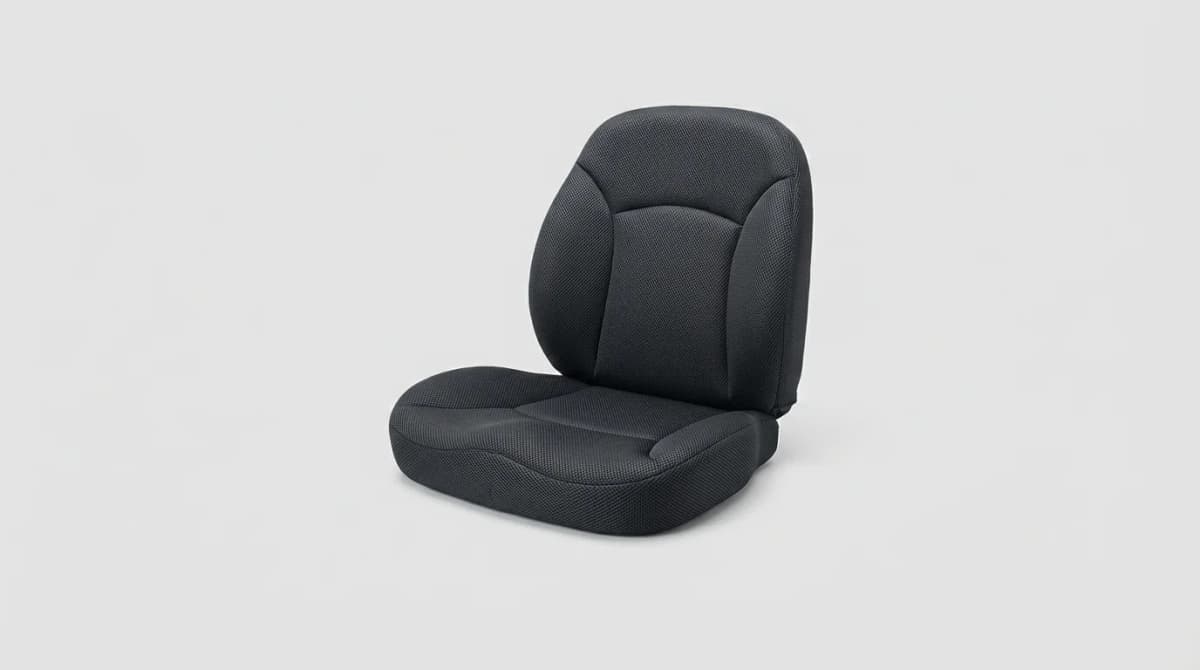
Your car seat wasn't designed for your body. It was designed for average measurements that don't exist in reality. Three hours in, your lower back aches. Five hours in, your tailbone screams. The factory seat that felt fine during a 10-minute test drive becomes a torture device on actual road trips.
Quick Picks
Our top recommendations at a glance:
- 1
- 2
- 3
- 4
- 5
A good seat cushion fixes this. Not by adding more padding, but by changing how weight distributes across your sitting bones and spine. The difference between cheap foam and proper ergonomic design is the difference between shifting every 20 minutes and actually forgetting you're sitting.
We compared cushions for highway driving, daily commutes, and cross-country trips. Some work. Most don't.
What Actually Causes Back Pain While Driving
Factory car seats angle your pelvis backward. This flattens your lumbar curve and loads pressure onto your lower spine instead of your sitting bones. Add in road vibration transmitted through thin foam, and you get muscle fatigue within an hour.
The worst designs are bucket seats with aggressive side bolsters. They look sporty but force you into one position with no adjustment. Your spine doesn't care about aesthetics.
Good cushions do three things: they tilt your pelvis forward to restore lumbar curve, they redistribute pressure away from your tailbone, and they dampen vibration. Everything else is marketing.
Memory Foam vs. Gel: Which Works Better
Memory foam conforms slowly and holds shape. It works for light to moderate pressure relief but compresses under body heat. After two hours, most memory foam cushions bottom out, and you're back to sitting on the original seat.
Gel stays cooler and doesn't compress as much, but it feels firmer initially. The tradeoff matters for long drives. We prefer gel cores with memory foam toppers - you get conforming comfort without the heat buildup and compression.
Pure memory foam works fine for commutes under an hour. Beyond that, gel hybrid designs win.
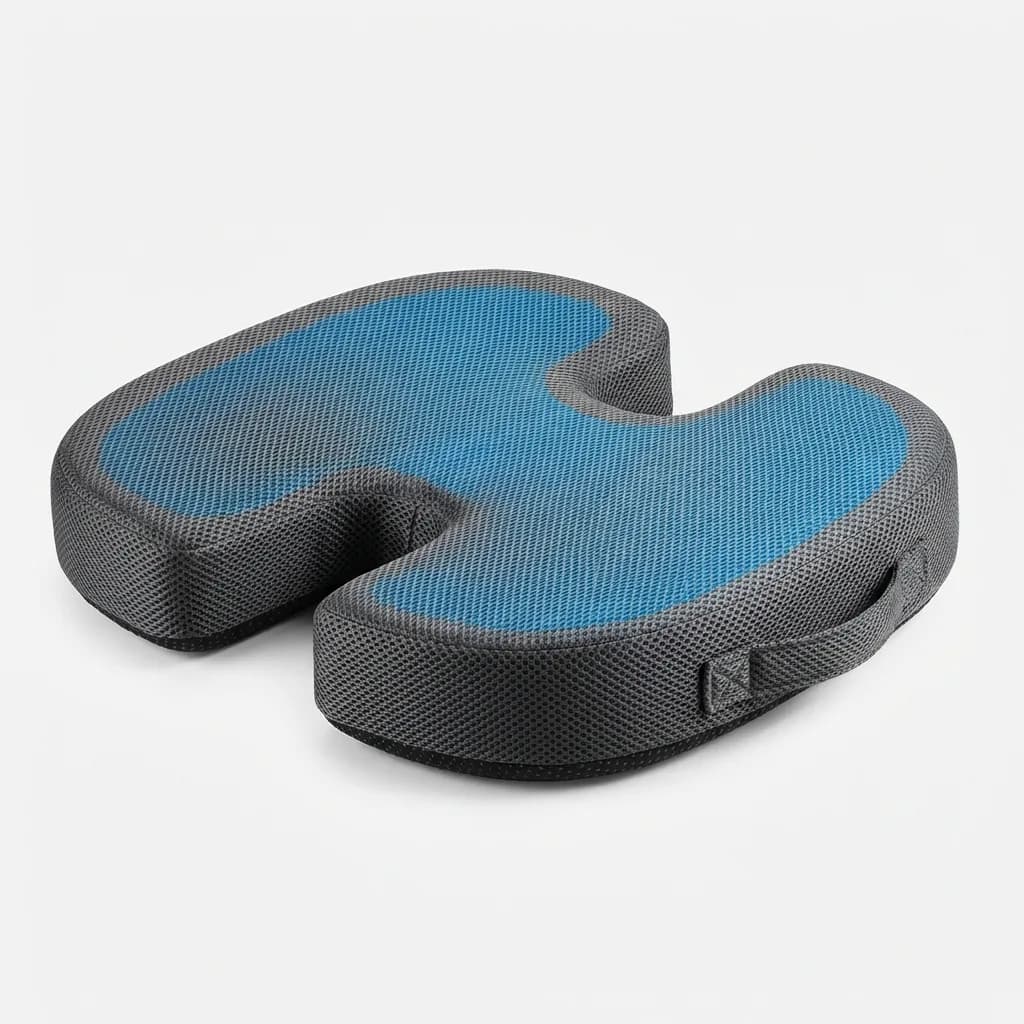
ComfiLife Gel Enhanced Memory Foam Seat Cushion
$33
Gel-infused memory foam with non-slip bottom, coccyx cutout design. Includes washable cover and carry handle. Fits most car and office seats.
Coccyx Cutout Design: Overhyped or Essential?
The U-shaped cutout removes pressure from your tailbone. If you have existing coccyx pain, this design is non-negotiable. If you don't, it still helps by forcing weight onto your sitting bones where it belongs.
Some drivers find the cutout feels weird for the first week. Your body adapts. The alternative is continuing to compress nerves and soft tissue in an area that wasn't designed for load-bearing.
Skip straight cushions if you drive more than 90 minutes at a time. The cutout design isn't a luxury feature - it's basic ergonomics.
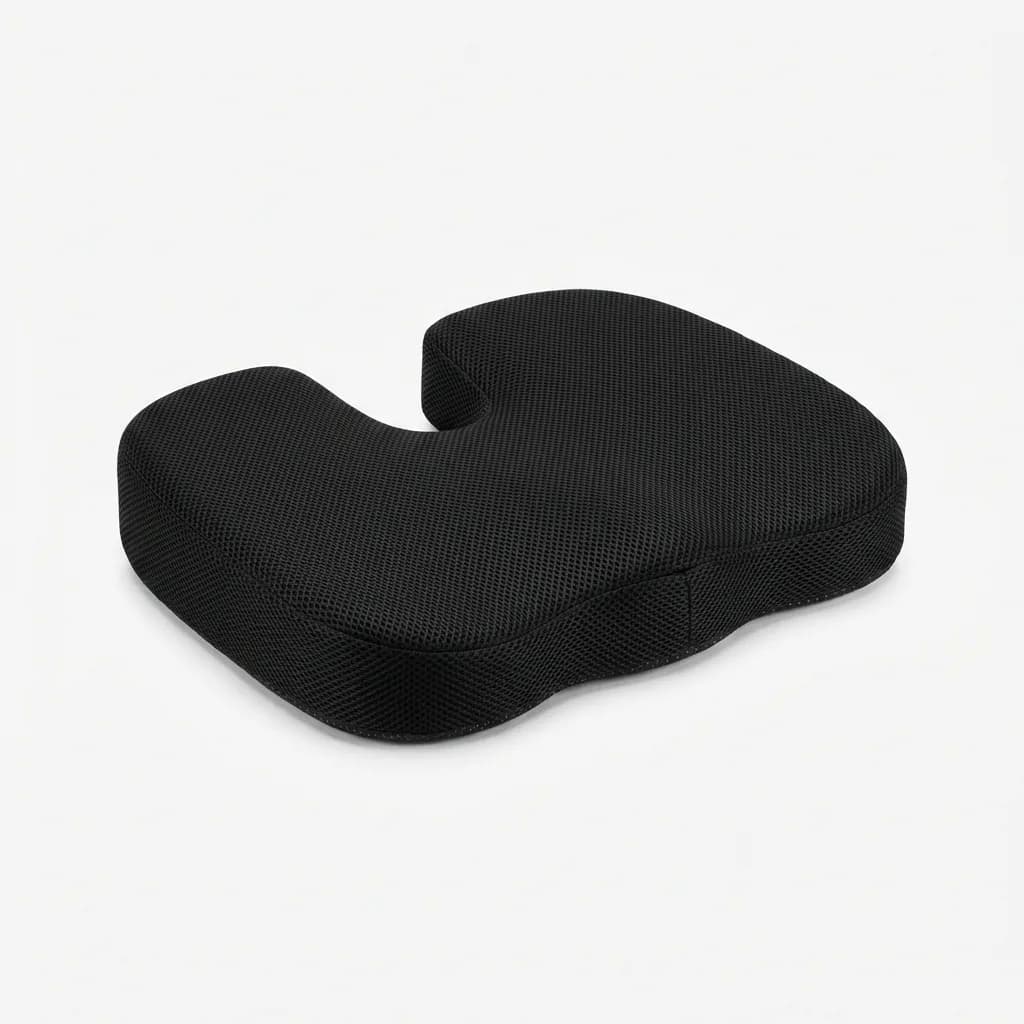
Everlasting Comfort Seat Cushion for Office Chair
$40
100% pure memory foam with ergonomic coccyx cutout. Non-slip rubber bottom, breathable mesh cover. Also works for wheelchairs and gaming chairs.
Wedge Cushions for Sciatica and Lower Back Pain
Wedge designs tilt your pelvis forward 10-15 degrees. This single change eliminates most lower back strain by restoring your spine's natural S-curve. If you slouch in your seat or feel pressure in your lower back within 30 minutes, you need a wedge.
The downside is height. Wedges raise you 2-3 inches, which can feel awkward in cars with low rooflines. Test with a folded towel first - if sitting higher feels better, a wedge will work.
Wedge cushions can help reduce sciatica flare-ups on long drives. The mechanism is simple: tilting your pelvis takes pressure off the sciatic nerve roots in your lower spine.
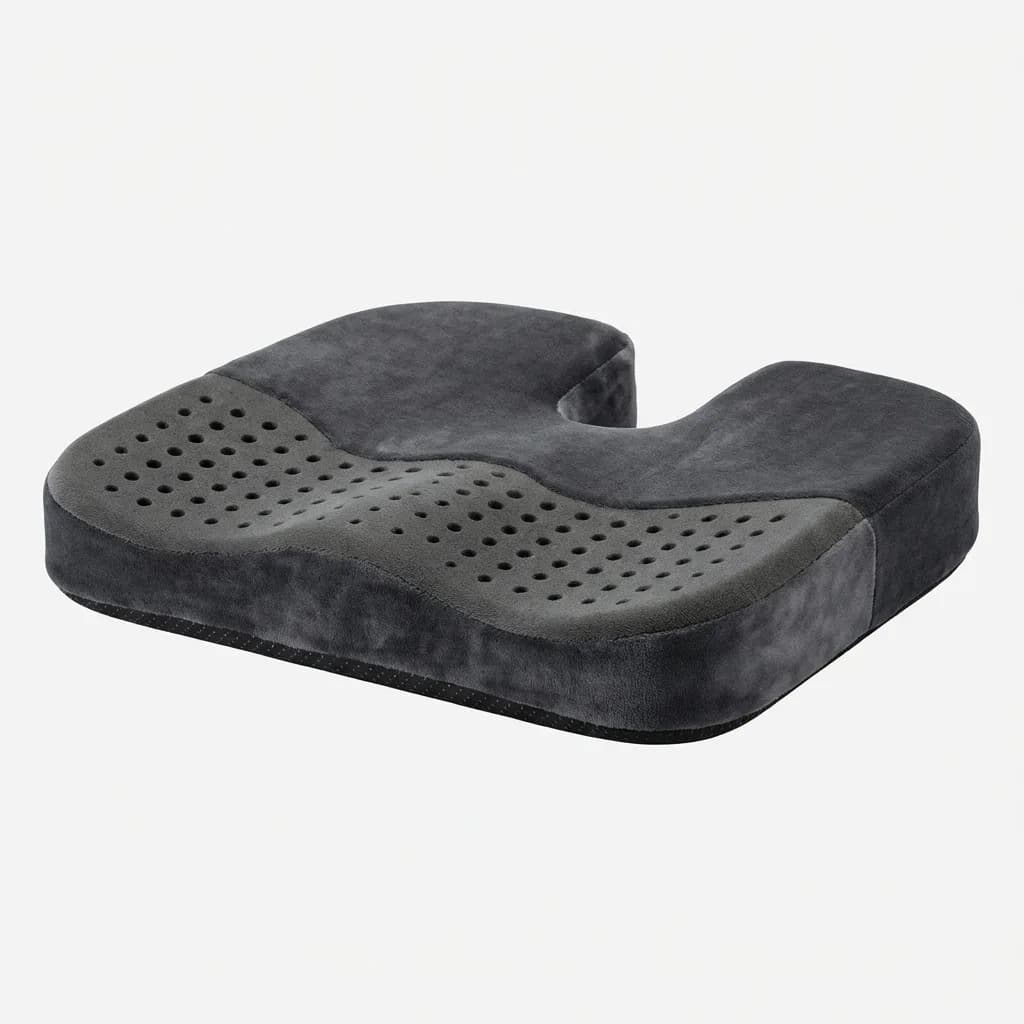
Xtreme Comforts Seat Cushion Coccyx Orthopedic Memory Foam
$45
Orthopedic wedge design with ventilated memory foam. Reduces pressure on sciatic nerve, promotes spinal alignment. Machine washable velour cover with non-skid rubber.
Lumbar Support Cushions vs. Seat Cushions
Lumbar cushions go behind your back. Seat cushions go under you. You probably need both, but if you can only pick one, choose the seat cushion.
Lower back pain starts with poor pelvic positioning. Fixing that from the bottom up does more than trying to force good posture from behind. A lumbar cushion on top of bad sitting mechanics just pushes you forward into the steering wheel.
That said, pairing a good seat cushion with a small lumbar roll gives you adjustable support at both ends. We run this combo on road trips over 4 hours.
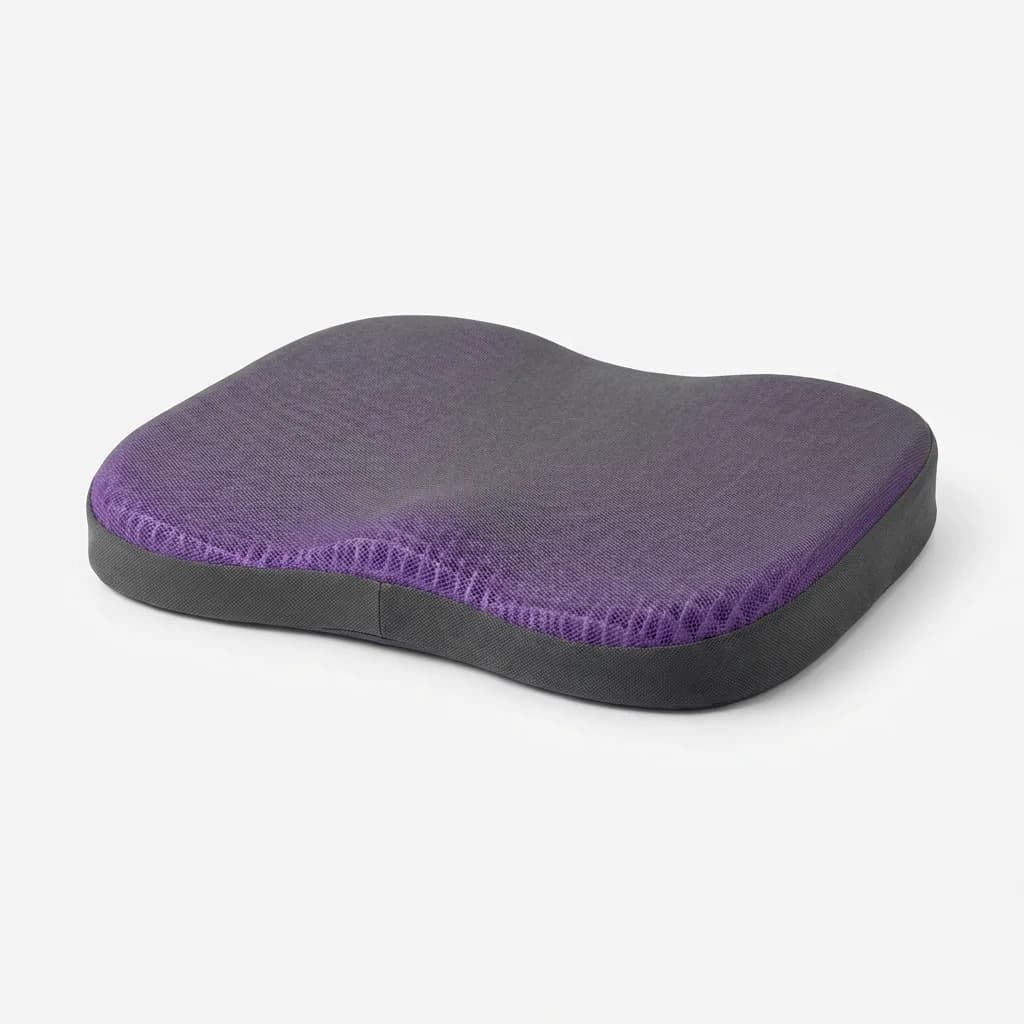
Purple Double Seat Cushion
$119
Hyper-elastic polymer grid absorbs pressure and stays cool. No memory foam to compress. Includes removable, washable cover. Weighs 5 lbs, designed for all-day use.
Cooling Features: Do They Actually Matter?
Mesh covers, gel infusions, and ventilation channels all claim to keep you cool. Most are useless. Your body heat has nowhere to go when you're pressed into a cushion for hours.
The exception is Purple's polymer grid design. Air actually flows through it, and the material doesn't retain heat like foam. It costs 3x more than memory foam options, but it's the coolest-running cushion here on long drives.
If you run hot or live in a climate with summer temps over 85 degrees, the cooling premium is worth it. For everyone else, a breathable mesh cover is enough.
What Doesn't Work: Cheap Foam and Inflatable Cushions
Cushions under $20 are compressed foam wrapped in thin fabric. They bottom out in weeks and provide zero ergonomic benefit. You're better off folding a thick towel.
Inflatable cushions seem clever - adjustable firmness, compact storage. In practice, they puncture, leak slowly, and feel unstable. Every bump in the road shifts the air pocket, and you're constantly readjusting.
Neither category holds up as a long-drive solution.
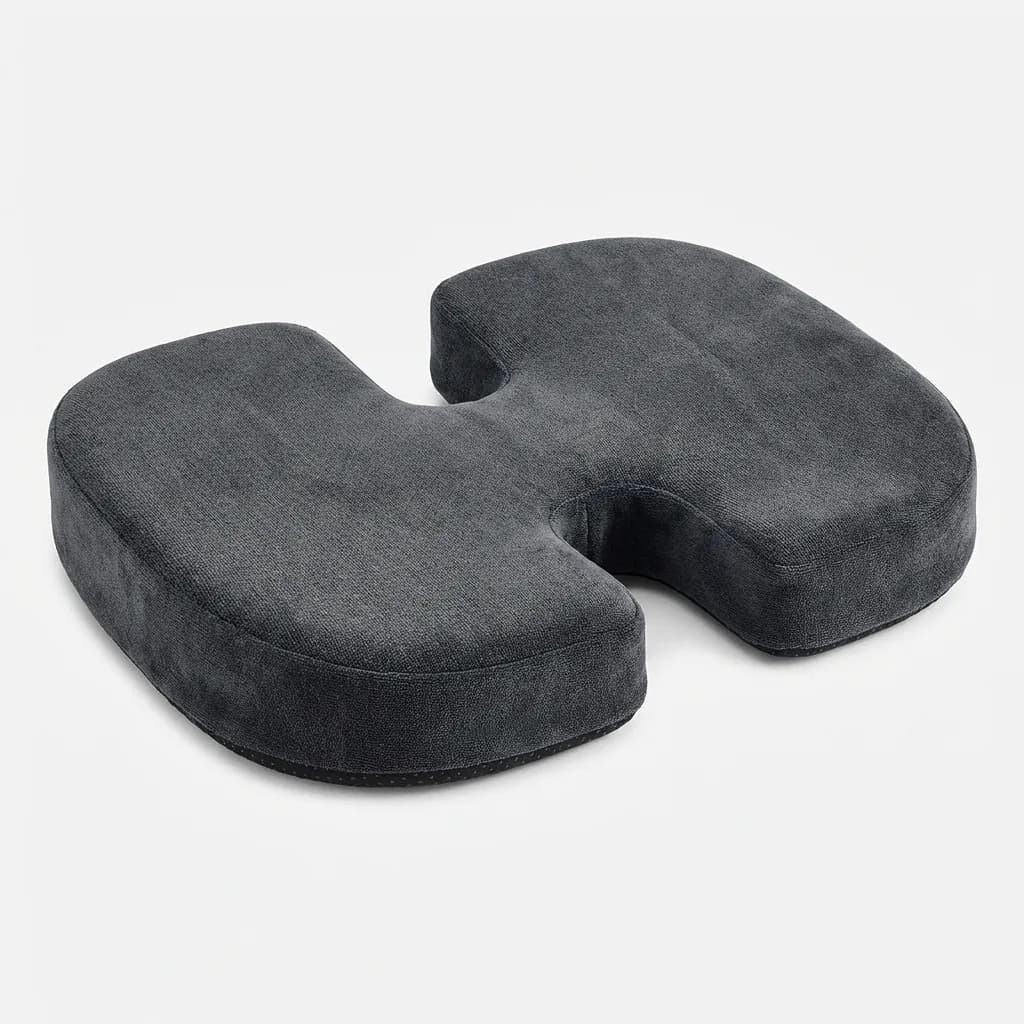
Aylio Coccyx Orthopedic Comfort Foam Seat Cushion
$28
High-density molded foam (not memory foam) maintains shape over time. Ergonomic contour with large coccyx cutout. Includes hypoallergenic cover and non-slip bottom.
How to Know If Your Cushion Is Working
Good ergonomic support feels slightly weird at first. You're breaking postural habits your body adapted to over years. Give any new cushion at least a week of daily use before judging effectiveness.
Real results show up as longer intervals between position shifts. If you were adjusting every 15 minutes and now you're going 45 minutes to an hour, it's working. Pain reduction follows, but the behavioral change comes first.
If a cushion still feels wrong after two weeks, or if pain increases, it's the wrong design for your body. Try a different style - wedge vs. flat, cutout vs. solid, firm vs. soft.
Matching Cushion Type to Your Specific Pain
Tailbone pain: Needs coccyx cutout design, no exceptions. ComfiLife or Everlasting Comfort models work well.
Lower back pain: Wedge cushions like Xtreme Comforts tilt your pelvis and restore lumbar curve.
Sciatica: Wedge design plus coccyx cutout combo. The Aylio model hits both features at a reasonable price.
Hip pain: Gel core cushions distribute pressure more evenly than pure foam. Purple grid is ideal but expensive.
General discomfort: Start with a mid-range gel-enhanced memory foam. The ComfiLife balances price and performance.
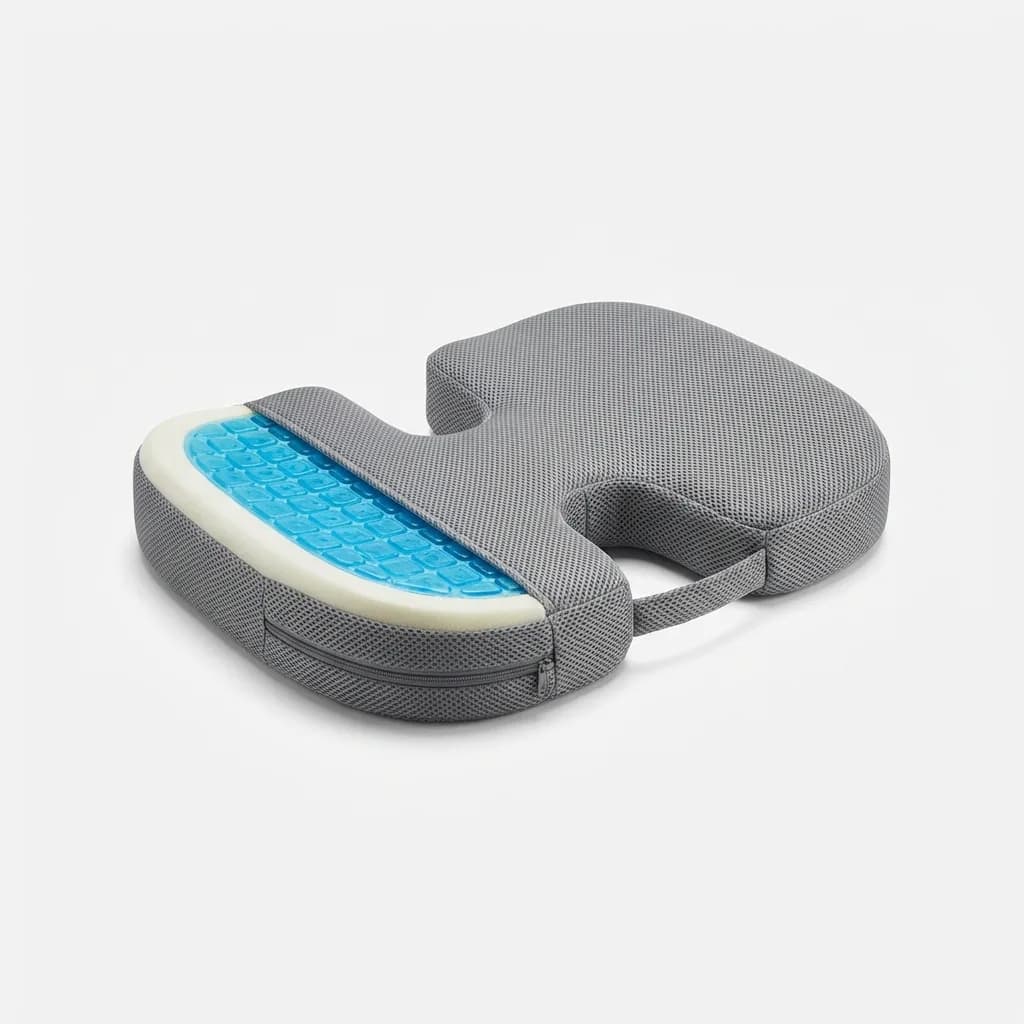
TravelMate Gel-Enhanced Medium-Firm Memory Foam Seat Cushion
$36
Gel layer prevents heat buildup and compression. Medium-firm density for balanced support. Includes removable washable cover and built-in carry handle.
Worth the Upgrade: When to Spend More
The $30-$45 range covers most needs. You get quality materials, proper ergonomic design, and durability for 1-2 years of daily use. This is the sweet spot.
Spending $100+ makes sense if you drive professionally, have chronic pain conditions, or spend more than 3 hours daily in the car. The Purple cushion justifies its cost over thousands of miles. Cheaper options compress and lose effectiveness within months under that usage.
For occasional road trips and short commutes, mid-range options deliver 90% of the benefit at a third the price.
The Cushion That Works in Multiple Vehicles
Most seat cushions are portable - they include carry handles and non-slip bottoms. But dimensions matter. Measure your seat width before buying.
Compact cars (13-15 inches wide): Standard cushions fit fine. Go for lightweight memory foam options.
SUVs and trucks (16-18 inches wide): You need wider models or the cushion shifts during turns. Look for 18-inch width specs.
Sports cars with bucket seats: Wedge cushions often don't fit. Stick with flat designs under 2 inches thick.
We keep two cushions - a ComfiLife gel model for the daily driver sedan and an Xtreme Comforts wedge for the truck used on long hauls. Swapping takes 10 seconds.
Your back doesn't care what the original seat cost. A $35 cushion in a base model sedan outperforms a $2,000 factory sport seat for actual comfort on long drives. Fix the ergonomics first, then worry about leather and heating elements.
The Weekly Dispatch
Enjoying this article?
Subscribe and get our best gear picks delivered every Sunday morning.
Related Posts
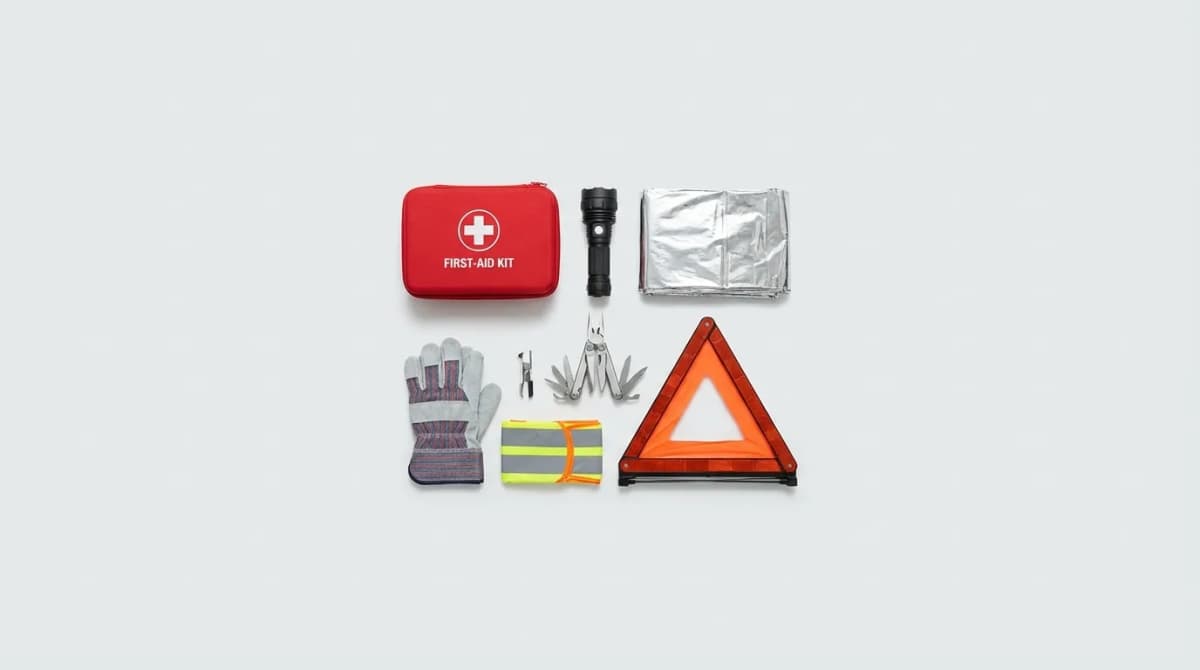
Best Car Emergency Kits Worth Keeping in Your Trunk
The best car emergency kits combine first aid, tools, and survival essentials. We break down what actually matters when you are stranded roadside.
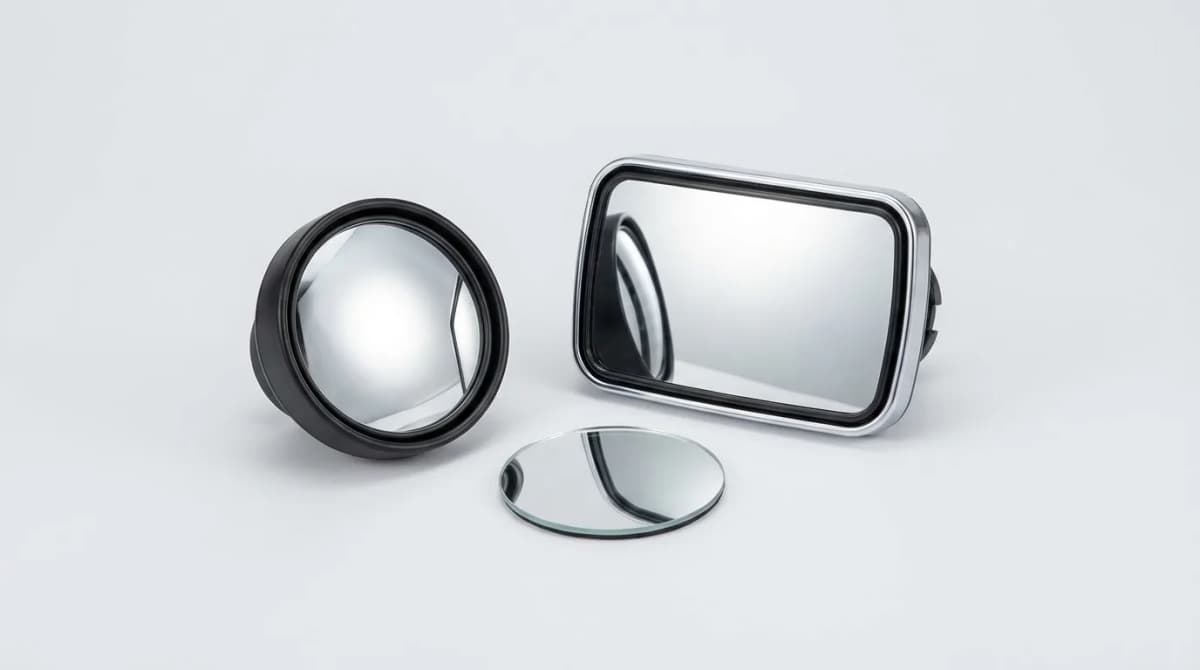
Best Blind Spot Mirror for Safe Lane Changing
Blind spot mirrors cut dangerous dead zones when changing lanes. We compared popular designs by specs, fit and price to find the best for visibility.
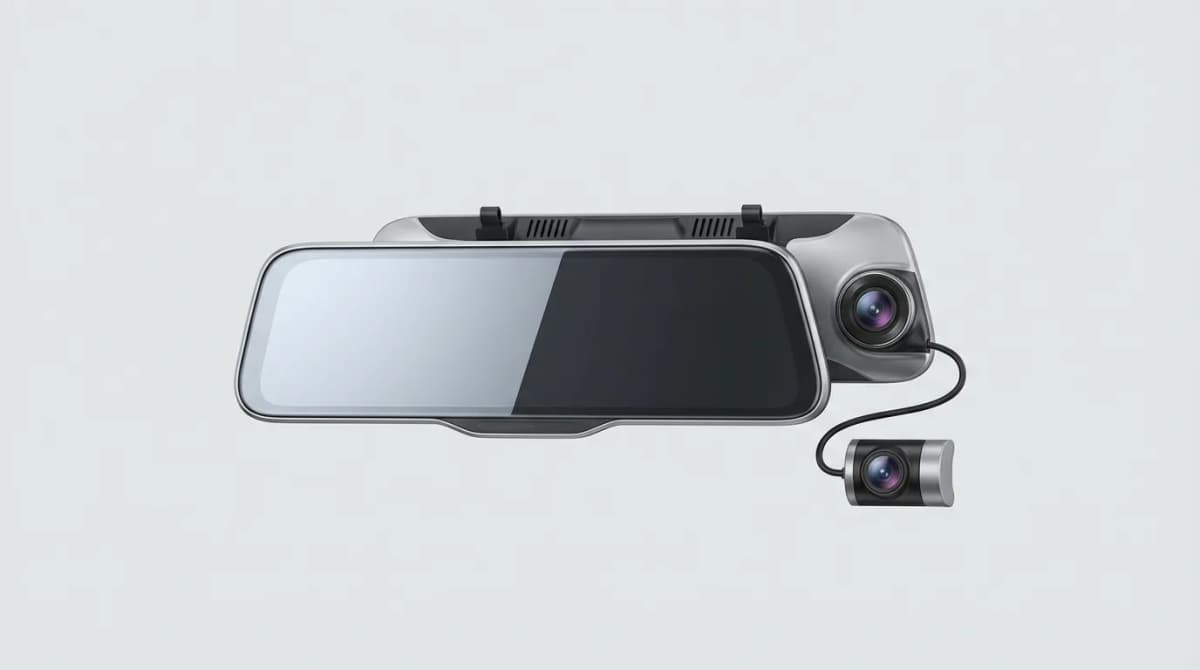
Best Rear View Mirror Camera for Night Driving
Rear view mirror cameras with night vision improve visibility after dark. We compared top models by maker specs for low-light sensors and installation.
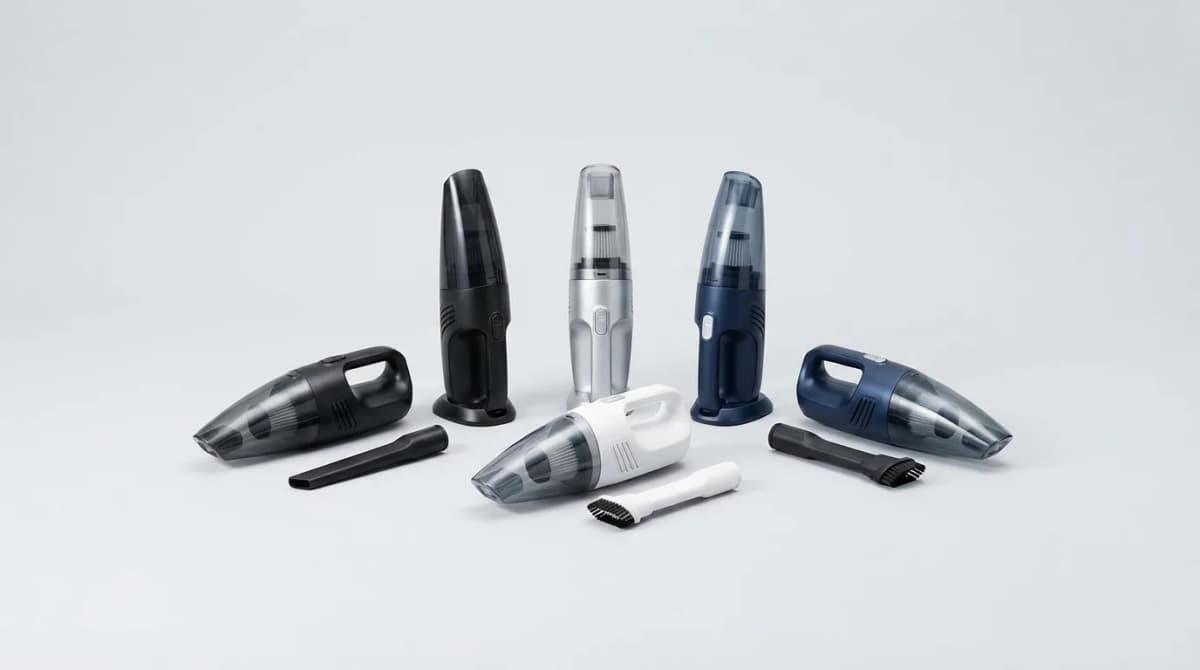
Best Cordless Car Vacuums 2026: Dustbuster, Bissell, Ryobi
Black+Decker Dustbuster AdvancedClean+, Bissell Pet Hair Eraser and Ryobi ONE+ handheld vacuums compared for crumbs, pet hair and runtime by maker specs.