Best Continuous Glucose Monitor for Non-Diabetics
Continuous glucose monitors aren't just for diabetes management anymore. We break down which CGMs work for metabolic optimization and what the data actually tells you.
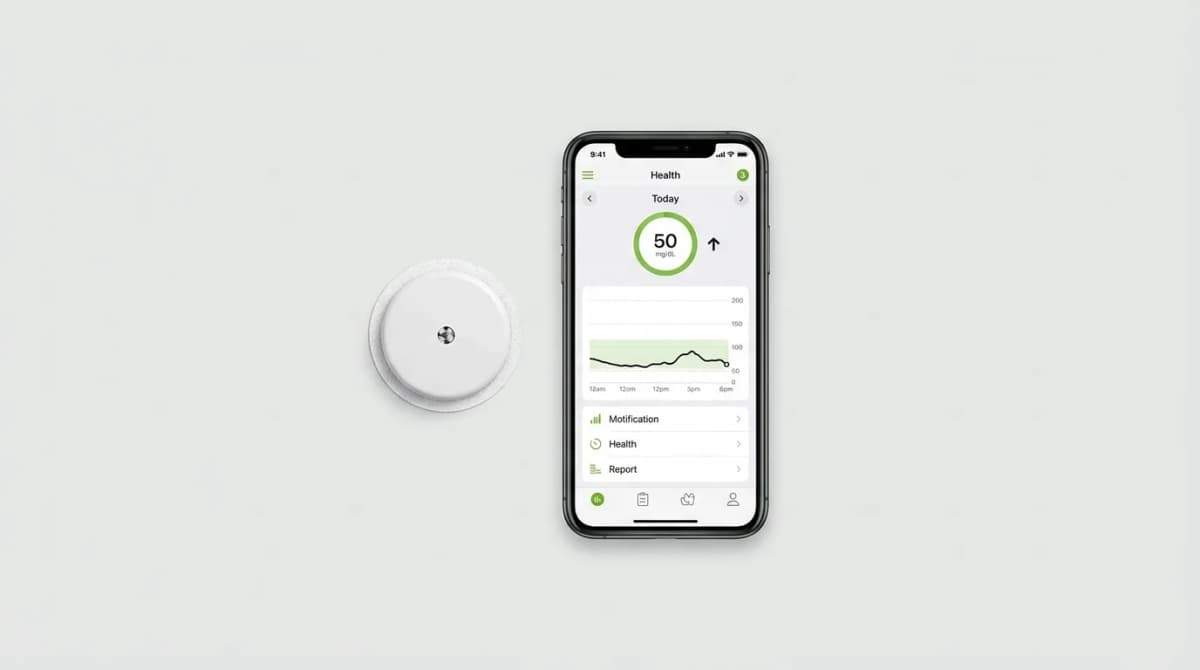
Your morning oatmeal spikes your glucose to 160 mg/dL, but a scrambled egg breakfast keeps you under 110. That's the kind of insight continuous glucose monitors deliver, and you don't need diabetes to benefit from tracking it.
Quick Picks
Our top recommendations at a glance:
- 1Abbott FreeStyle Libre 3 PlusSee current price
- 2Dexcom Stelo$99
- 3
- 4
- 5
CGMs were designed for diabetes management, but the biohacking and fitness communities have adopted them for metabolic optimization. The appeal is simple: real-time feedback on how food, exercise, sleep, and stress affect your blood sugar. The challenge is that most CGMs require a prescription, and the ones marketed to non-diabetics charge premium prices for the same hardware.
We compared four CGM systems available to non-diabetics on accuracy, app experience, and cost per month of monitoring. Here's what actually matters when you're tracking glucose for performance rather than medical necessity.
Why Non-Diabetics Use Continuous Glucose Monitors
Stable blood sugar correlates with better energy, clearer thinking, and reduced inflammation. A CGM shows you which foods cause crashes, how meal timing affects your workouts, and whether that 3pm slump is metabolic or just boredom.
The data is personal. One person's blood sugar barely moves after white rice; another spikes to 180 mg/dL. A CGM removes the guesswork and replaces generic nutrition advice with your actual metabolic response.
Athletes use CGMs to optimize fueling during training. If your glucose drops below 70 mg/dL mid-run, you're likely bonking. If it spikes above 140 after your pre-workout meal, you're storing fat instead of burning it. The sensor updates every 1-5 minutes, so you can adjust in real time rather than guess based on how you feel.
Abbott FreeStyle Libre 3 Plus: Best Overall for Non-Diabetics
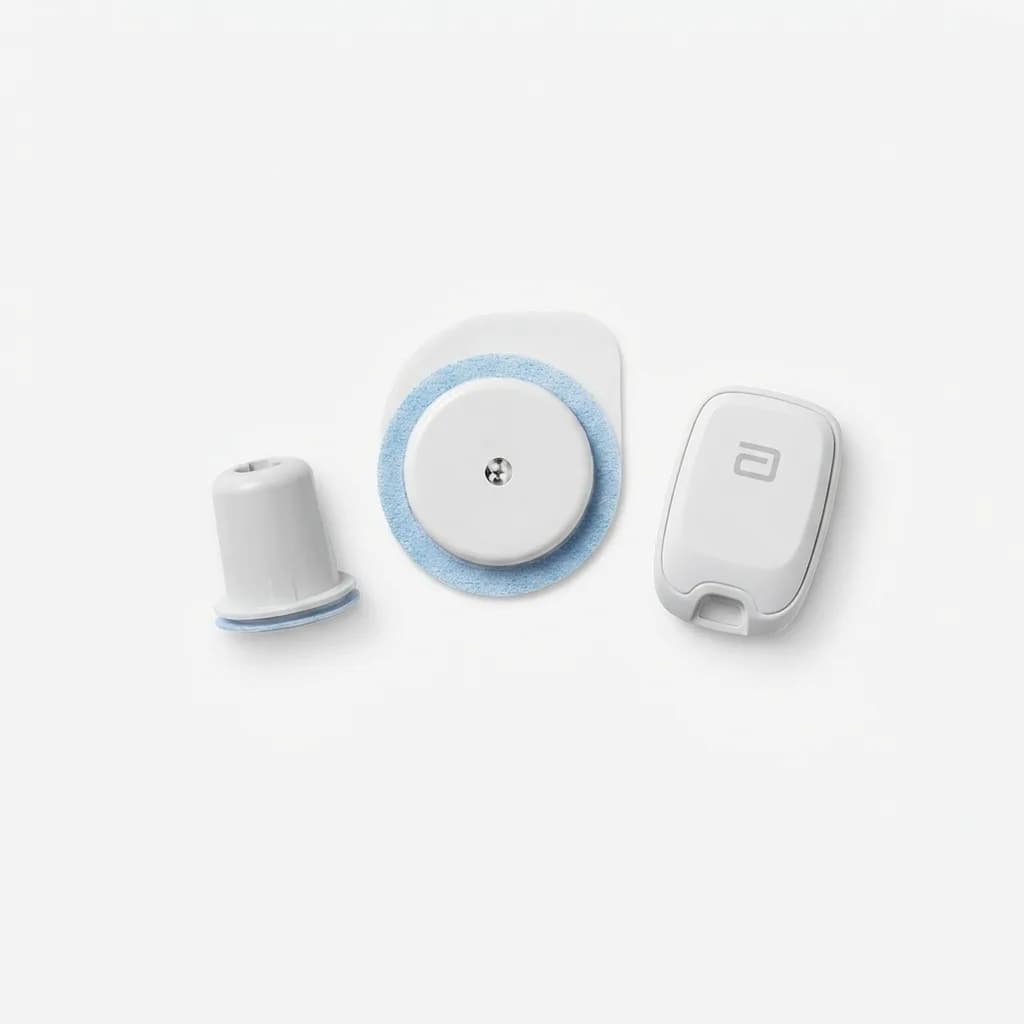
The Libre 3 Plus hits the sweet spot of accuracy, cost, and availability. Each sensor lasts 14 days, reads glucose every minute, and syncs to your phone automatically. No scanning required like the older Libre 2.
Abbott FreeStyle Libre 3 Plus
See current price
14-day CGM sensor with automatic Bluetooth syncing, 1-minute glucose readings, and no fingerstick calibration required. Smallest wearable CGM sensor available.
The sensor is 5mm in diameter, smaller than a dime, and sits flat against your upper arm. Most people forget they're wearing it after a day. The adhesive holds through showers, sweat, and swimming, though adding an overlay patch (Skin Grip or similar) helps if you're training hard in humid conditions.
Accuracy is within 9.2% mean absolute relative difference (MARD) compared to lab blood draws, which matches medical-grade standards. For non-diabetics, that means if your actual glucose is 100 mg/dL, the Libre reads between 91-109 mg/dL. Close enough to identify patterns and trends.
The app is clean and functional. You get a glucose graph, trend arrows, and customizable alerts. It logs food, exercise, and notes, but the food database is limited. Most users log meals manually with a photo or description rather than search for nutrition data.
Cost is the main barrier. If you have a prescription (some doctors will write one for metabolic health), insurance may cover sensors at $20-$75 per month depending on your plan. Without insurance, expect $70-$90 per sensor (14 days), which works out to $140-$180 per month. Abbott offers a savings program that reduces cost if you qualify.
Dexcom Stelo: Prescription-Free but More Expensive
Stelo launched in late 2024 as the first over-the-counter CGM in the US. No prescription, no insurance required. You order directly from Dexcom, apply the sensor yourself, and start tracking.
Dexcom Stelo
$99
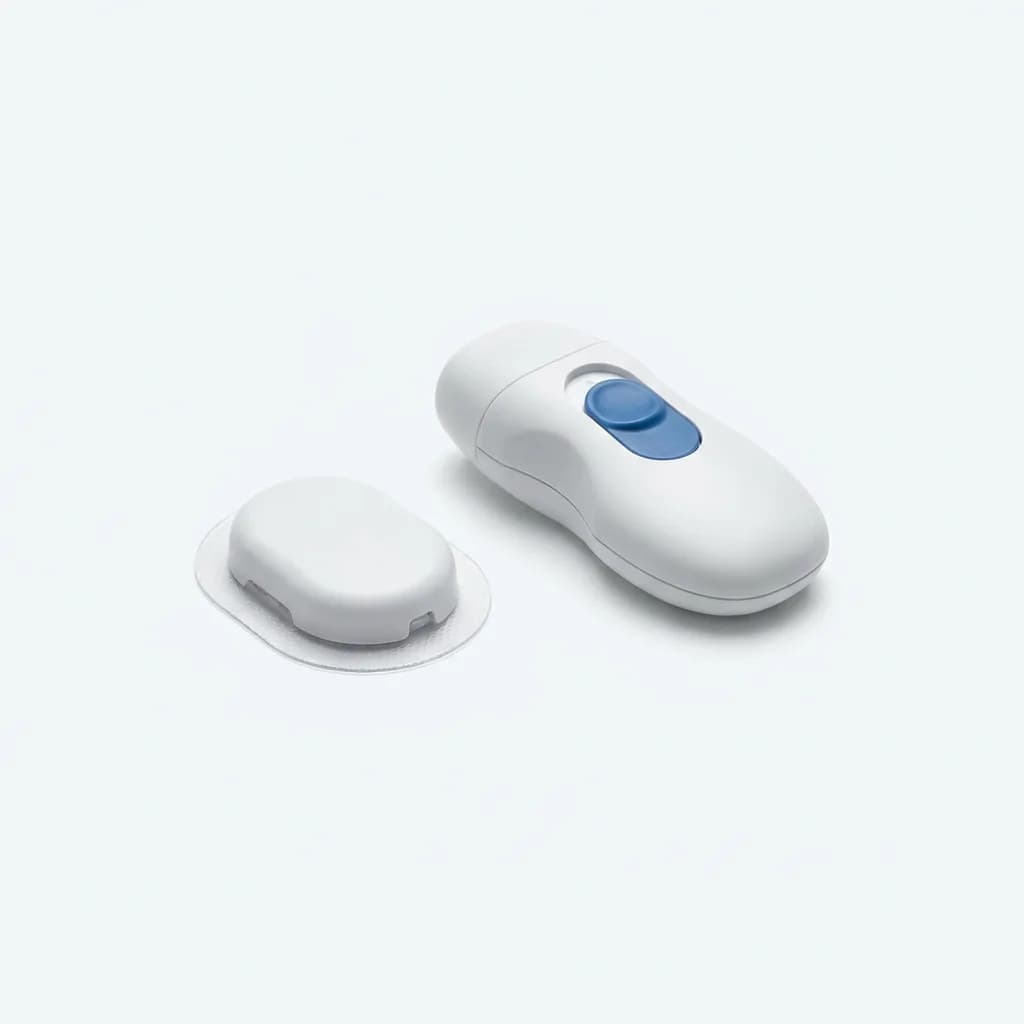
Over-the-counter CGM with 15-day wear time, real-time alerts, and glucose trend predictions. FDA-cleared for adults without diabetes.
Each sensor lasts 15 days and costs $99, which translates to roughly $200 per month for continuous monitoring. That's double the cost of a Libre 3 Plus with insurance, but competitive if you're paying out of pocket.
The hardware is similar to the Dexcom G7 used by diabetics. It's slightly larger than the Libre sensor but still low-profile. Readings update every 5 minutes instead of every minute, which is fine for tracking meal responses but less useful for real-time workout adjustments.
Stelo's app includes glucose trend predictions that warn you 20 minutes before a spike or drop. This is genuinely useful if you're experimenting with meal timing or exercise intensity. The app also offers coaching tips based on your patterns, though these tend toward generic advice rather than personalized insights.
The trade-off is cost. Unless you're committed to long-term tracking (3+ months), the premium for prescription-free convenience may not justify the expense. But if your doctor won't prescribe a CGM or your insurance doesn't cover it, Stelo is your best option.
Levels Health: Premium Service with Better Software
Levels doesn't make hardware. They provide a subscription service that includes CGM sensors (Libre or Dexcom depending on availability) plus a significantly better app and analytics platform.
Levels Health Membership
$399
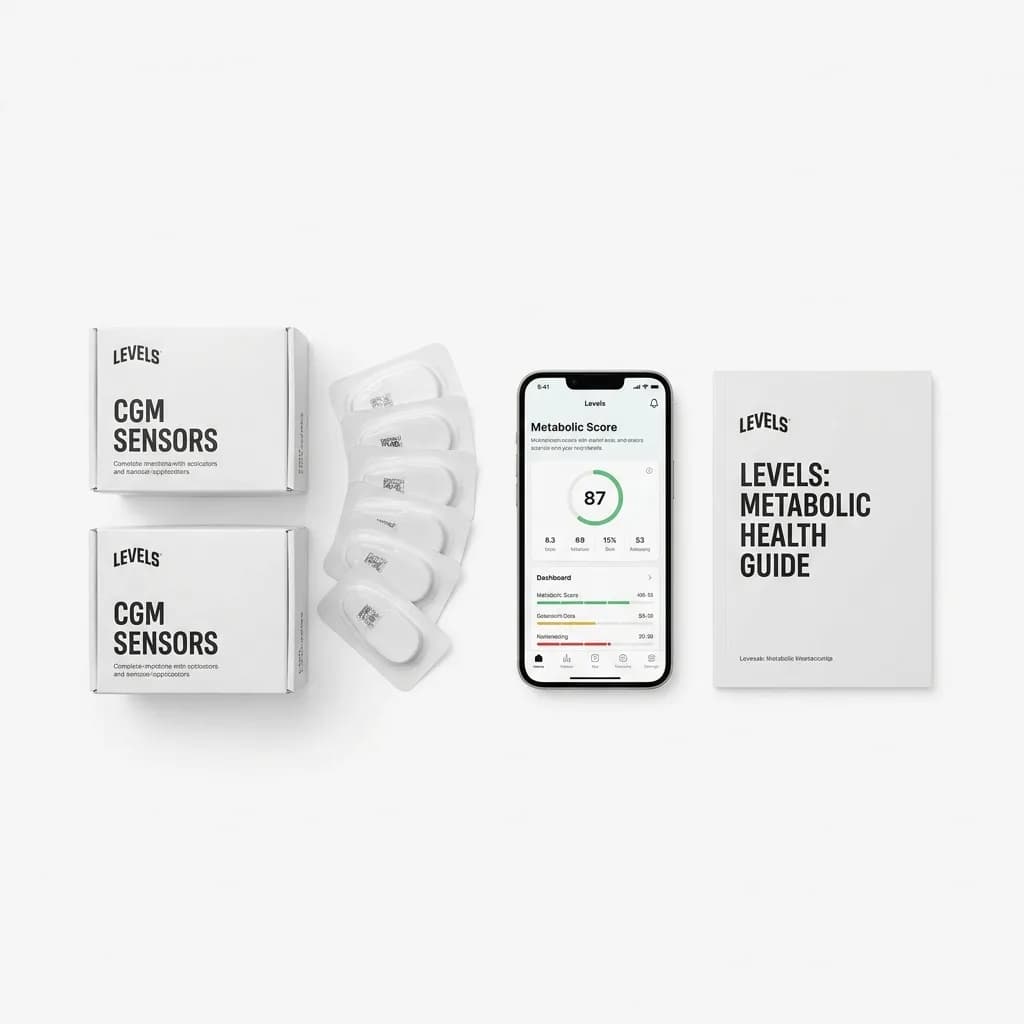
CGM subscription service with advanced analytics, metabolic scoring, and personalized insights. Includes sensors, app, and educational content for metabolic optimization.
You pay $399 for a one-month membership that includes two sensors (28 days of data), access to the Levels app, and a library of metabolic health content. Subsequent months cost $199 and include two sensors.
The value proposition is the software. Levels calculates a "metabolic score" based on glucose stability, assigns scores to individual meals, and tracks trends over time. The app suggests experiments like eating protein before carbs or walking after meals, then shows you how those changes affect your score.
This is overkill if you just want raw glucose data, but valuable if you're serious about optimization and want structure. The meal scoring helps you learn which foods work for your metabolism without manually analyzing graphs. The experiments are pre-built protocols backed by research, so you're not guessing what to try next.
Levels also pairs you with a health coach for monthly check-ins, though the quality varies depending on who you get assigned. Some users find this helpful; others ignore it entirely.
The downside is cost. At $399 for the first month and $199 per month after, this is 2-3x more expensive than buying sensors directly. You're paying for software, education, and support, not just hardware. If that's worth it depends on how much guidance you want.
Nutrisense: Similar to Levels with Dietitian Support
Nutrisense operates on the same model as Levels: subscription service, CGM sensors included, enhanced app and analytics. The main difference is Nutrisense emphasizes direct access to registered dietitians rather than automated insights.
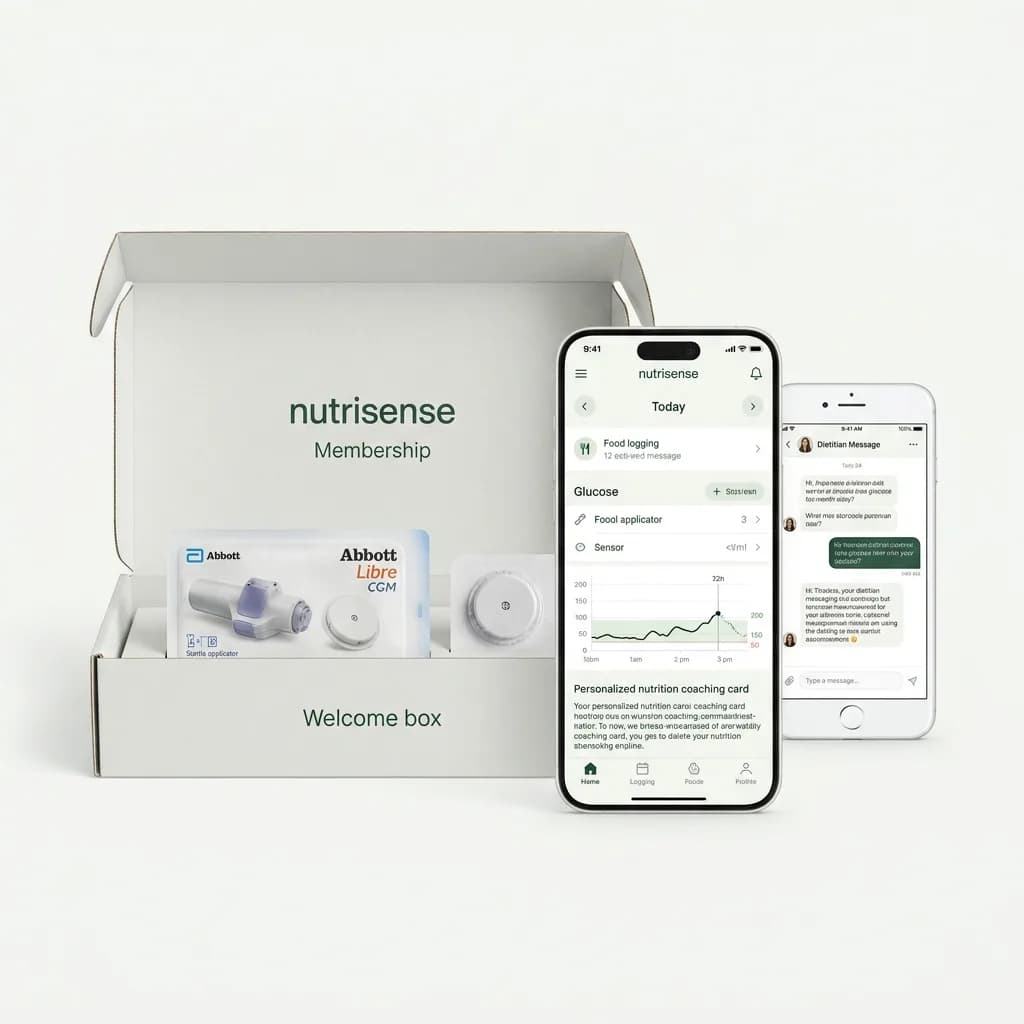
Nutrisense Membership
$350
CGM subscription with unlimited messaging access to registered dietitians. Includes Abbott Libre sensors, food logging, and personalized nutrition coaching.
Plans start at $350 per month and include two CGM sensors plus chat support from a dietitian. You can message your assigned RD anytime with questions about glucose responses, meal planning, or interpretation of trends. Response time is typically within a few hours.
This is valuable if you want expert feedback rather than learning through self-experimentation. Your dietitian reviews your data weekly and suggests adjustments based on your goals (fat loss, performance, metabolic health, etc.). The quality of advice depends heavily on your assigned dietitian, and you can request a change if it's not a good fit.
The app is less polished than Levels but covers the basics: glucose graphs, meal logging, correlations between food and spikes. Nutrisense focuses on practical changes rather than gamification or scoring systems.
Cost is similar to Levels, though Nutrisense offers discounts for 3-month and 6-month prepaid plans that bring the monthly cost down to $250-$300. If you value human expertise over algorithmic insights, Nutrisense is the better pick. If you prefer self-directed learning with software tools, Levels wins.
What to Look for in a CGM for Non-Diabetics
Accuracy matters, but perfect precision doesn't. A 10-15% margin of error is fine for identifying patterns. You're looking for relative changes (this meal spiked me higher than that meal), not absolute medical-grade numbers.
Sensor lifespan determines cost efficiency. Most CGMs last 10-15 days. The longer the sensor lasts, the lower your monthly cost. Factor in shipping time between sensor orders so you don't have gaps in data.
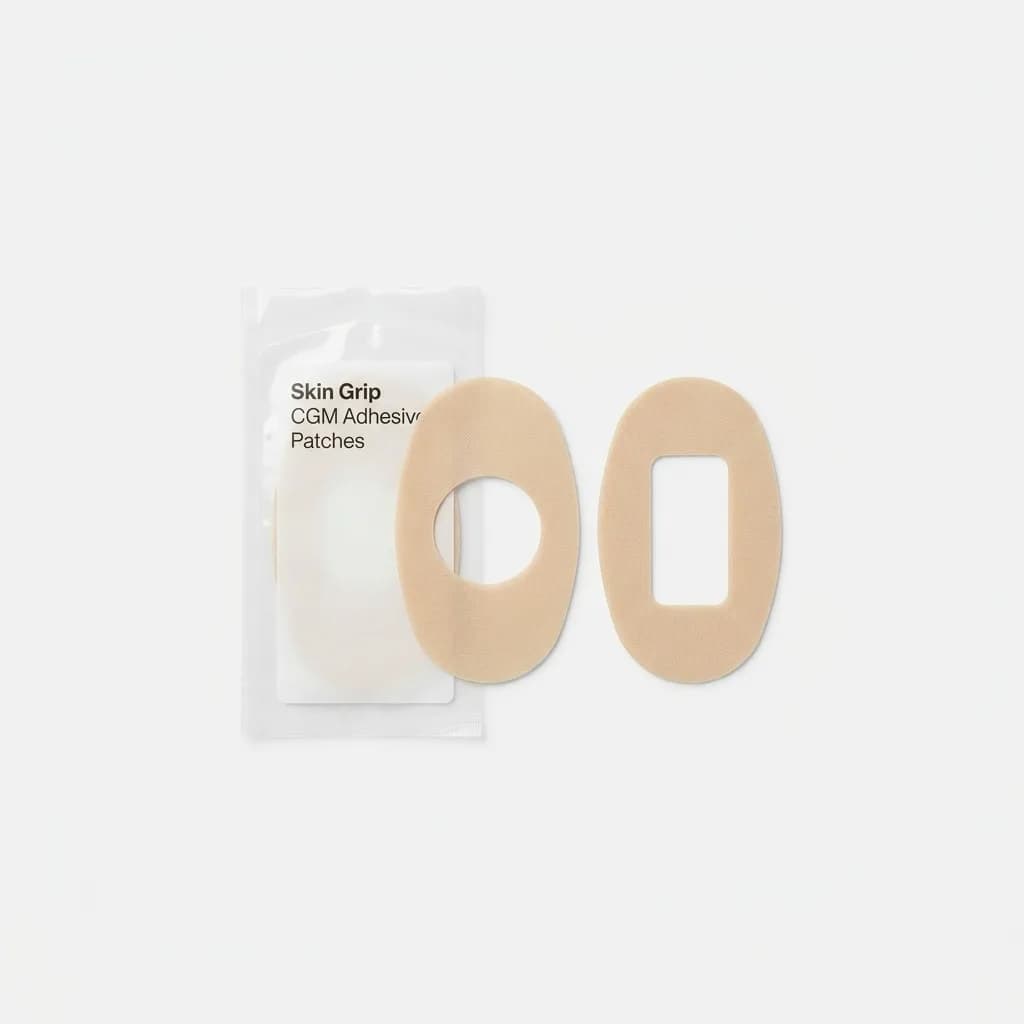
Skin Grip CGM Adhesive Patches
$20
Waterproof overlay patches for CGM sensors. Extends sensor adhesion through intense workouts, swimming, and hot weather. Pre-cut for Libre and Dexcom.
App quality varies wildly. Basic CGM apps show you a glucose graph and let you log meals. Premium apps (Levels, Nutrisense) calculate scores, suggest experiments, and surface insights you wouldn't notice yourself. Decide whether you want raw data or guided optimization.
Alert customization is useful if you're tracking specific targets. Set a high alert at 140 mg/dL if you're trying to avoid spikes, or a low alert at 80 mg/dL if you're concerned about drops during fasted workouts. Some apps let you disable alerts entirely, which most non-diabetics prefer.
Integration with other health apps is a bonus. Dexcom and Libre both sync with Apple Health, which means your glucose data can flow into fitness apps, sleep trackers, and workout logs. This is valuable if you're correlating glucose with HRV, sleep quality, or training load.
Common Mistakes Non-Diabetics Make with CGMs
Chasing perfect flatness. Glucose is supposed to fluctuate. A spike to 120-140 mg/dL after a meal is normal, not a metabolic failure. The goal is to avoid sustained highs (above 140 for hours) and crashes (below 70), not eliminate all variation.
Ignoring context. Glucose rises during intense exercise even if you haven't eaten, because your liver releases stored glucose for fuel. This is normal and beneficial, not a sign that your workout is causing metabolic damage. Similarly, stress, illness, and poor sleep all elevate glucose independent of diet.
Testing for too short a period. One week of CGM data isn't enough to draw conclusions. Hormones, stress, and activity levels vary week to week. Aim for at least two sensors (28 days) before making major dietary changes based on what you see.
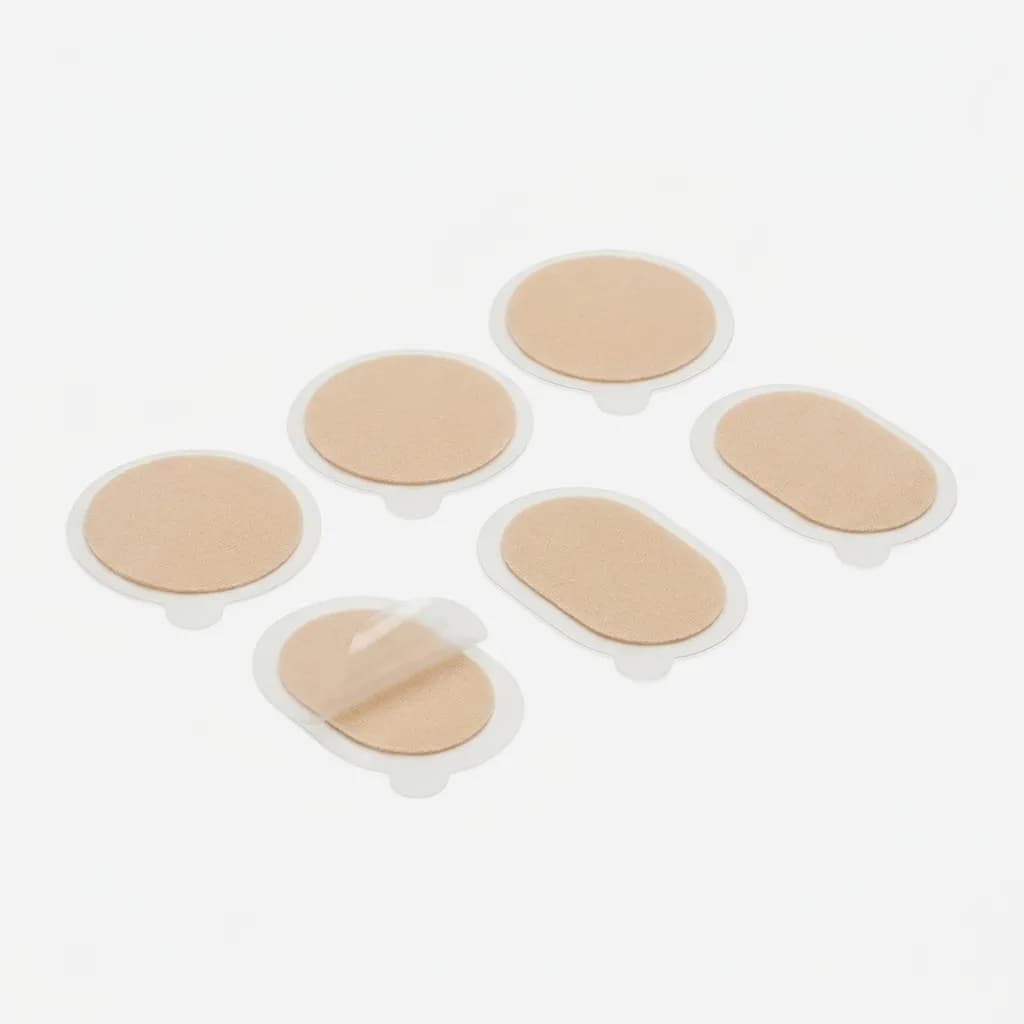
Simpatch CGM Covers
$18
Latex-free, hypoallergenic adhesive patches for securing CGM sensors during sports and swimming. Compatible with Libre, Dexcom, and Medtronic sensors.
Obsessing over individual readings. CGMs update every 1-5 minutes, but interstitial glucose (what the sensor measures) lags behind blood glucose by 5-15 minutes. If you eat glucose tablets, your blood sugar rises immediately, but the CGM takes longer to catch up. Focus on trends over hours, not minute-to-minute changes.
Is a CGM Worth It for Non-Diabetics?
If you're optimizing performance, tracking metabolic health, or experimenting with diet changes, a CGM provides data you can't get any other way. The feedback loop between food and glucose response is immediate and personal.
The cost is the main barrier. At $140-$400 per month depending on the system, this is a significant investment. Most people benefit from 1-3 months of tracking to learn their patterns, then use that knowledge without continuous monitoring.
We recommend starting with a single sensor (14 days) to see if the data changes your behavior. If you find yourself adjusting meals, timing workouts differently, or making other metabolic changes, continue for another month or two. If the data is interesting but doesn't translate to action, you've learned what you need to know.
For most non-diabetics, the Libre 3 Plus offers the best combination of accuracy, cost, and convenience. If you want premium software and coaching, Levels or Nutrisense justify the higher price. If you can't get a prescription, Dexcom Stelo is your only option but delivers solid performance.
Glucose monitoring is moving from medical necessity to performance tool. The hardware is proven, the data is actionable, and the cost is dropping as competition increases. Whether it's worth it depends on how much you value closing the gap between what you think your metabolism is doing and what it actually does.
The Weekly Dispatch
Enjoying this article?
Subscribe and get our best gear picks delivered every Sunday morning.
Related Posts

Best Fitness Tracker Without Subscription 2026
Fitness trackers without monthly fees. We compared the best options by maker specs and features that give you all your data without a paywall.
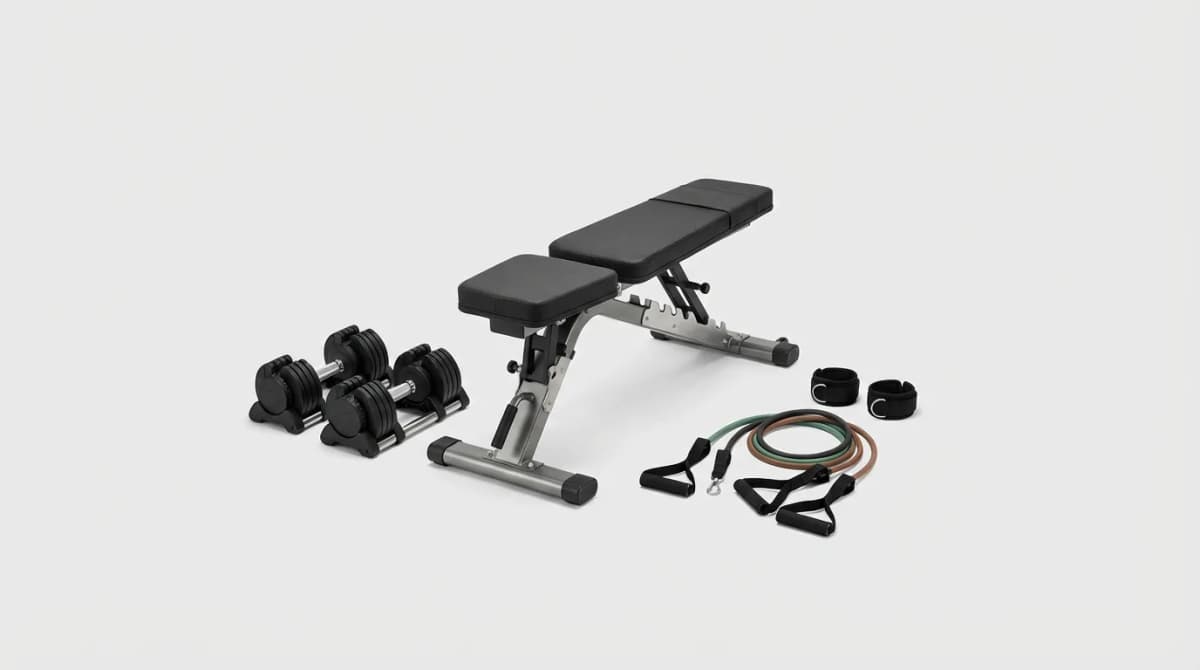
Best Home Gym Equipment for Small Spaces 2026
Space-efficient gym gear that delivers serious workouts without turning your apartment into a cluttered mess. From adjustable dumbbells to wall-mounted systems.
Best Foam Roller for Back Pain Relief 2026
The right foam roller targets trigger points without bruising. We compared density, surface patterns and build across price points by maker specs.
Best Ab Roller That Actually Works 2026 Review
We compared 12 ab rollers by maker specs, design and price to find which build core strength without wrecking your back.