Best Mirrorless Cameras for Street Photography 2026
Find the perfect mirrorless camera for street photography with our guide to sensor sizes, lens ecosystems, low light performance, and compact portability options.
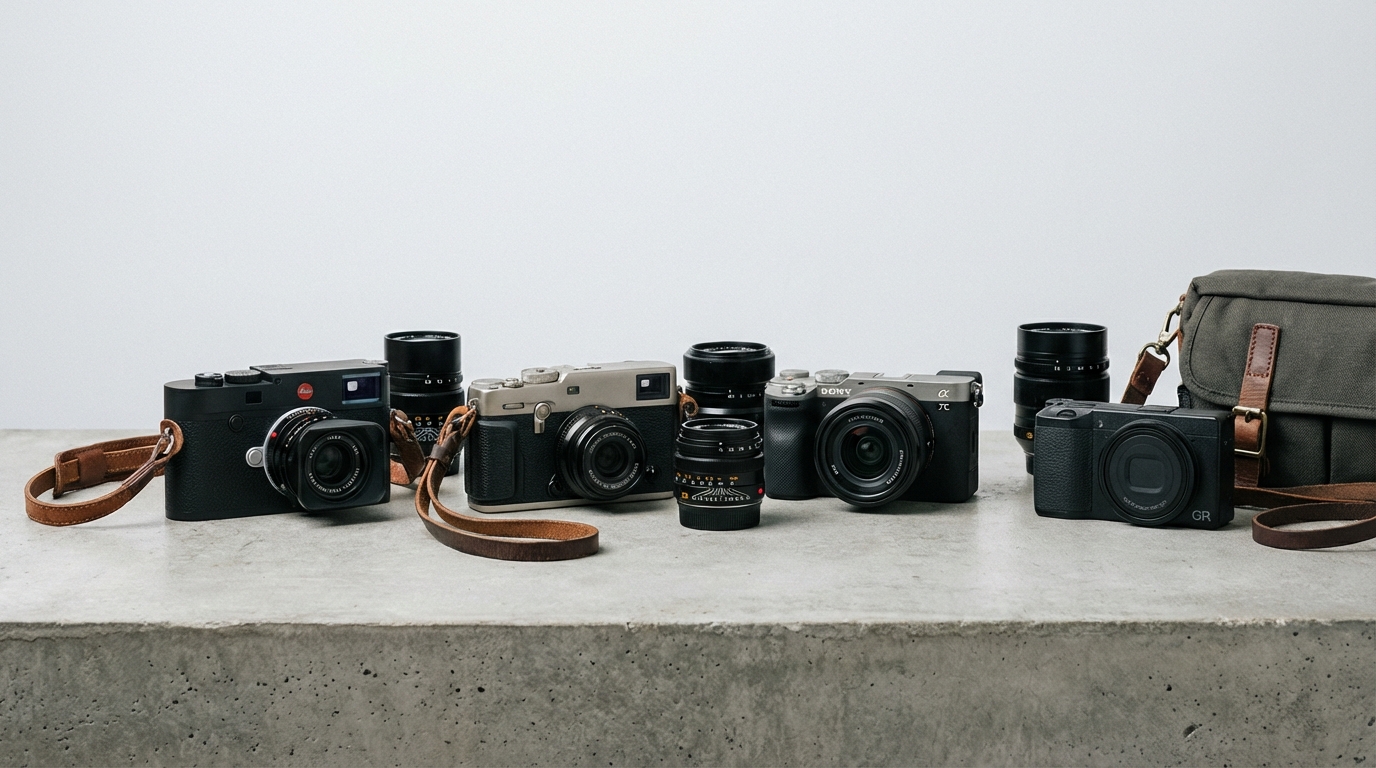
Street photography demands a camera that disappears into your workflow. Mirrorless systems deliver the image quality of DSLRs in bodies small enough to shoot discreetly all day. The right mirrorless camera balances sensor performance, lens availability, and size to capture decisive moments without drawing attention.
Quick Picks
Our top recommendations at a glance:
- 1Fujifilm X100VI$1599
- 2Sony A7C II$2198
- 3Nikon Z6 III$2499
- 4Ricoh GR III HDF$1099
- 5Canon EOS R6 Mark II$2399
Sensor Size: Full Frame vs APS-C for Street Work
Full frame sensors provide superior low light performance and shallower depth of field control. A 24MP full frame sensor captures clean images at ISO 6400, essential for indoor markets or evening street scenes. The wider field of view at equivalent focal lengths gives you more compositional flexibility in tight urban spaces.
APS-C sensors offer a more practical package for street photography. The crop factor turns a 23mm lens into a 35mm equivalent, the classic street photography focal length. Bodies weigh 30-40% less than full frame alternatives. You sacrifice about one stop of low light performance, but modern APS-C sensors handle ISO 3200 cleanly.
Micro Four Thirds sensors shrink the system further with a 2x crop factor. A 12.5mm lens delivers a 25mm equivalent field of view. Image quality trails larger sensors above ISO 1600, but the size advantage matters when you carry a camera for eight hours straight.
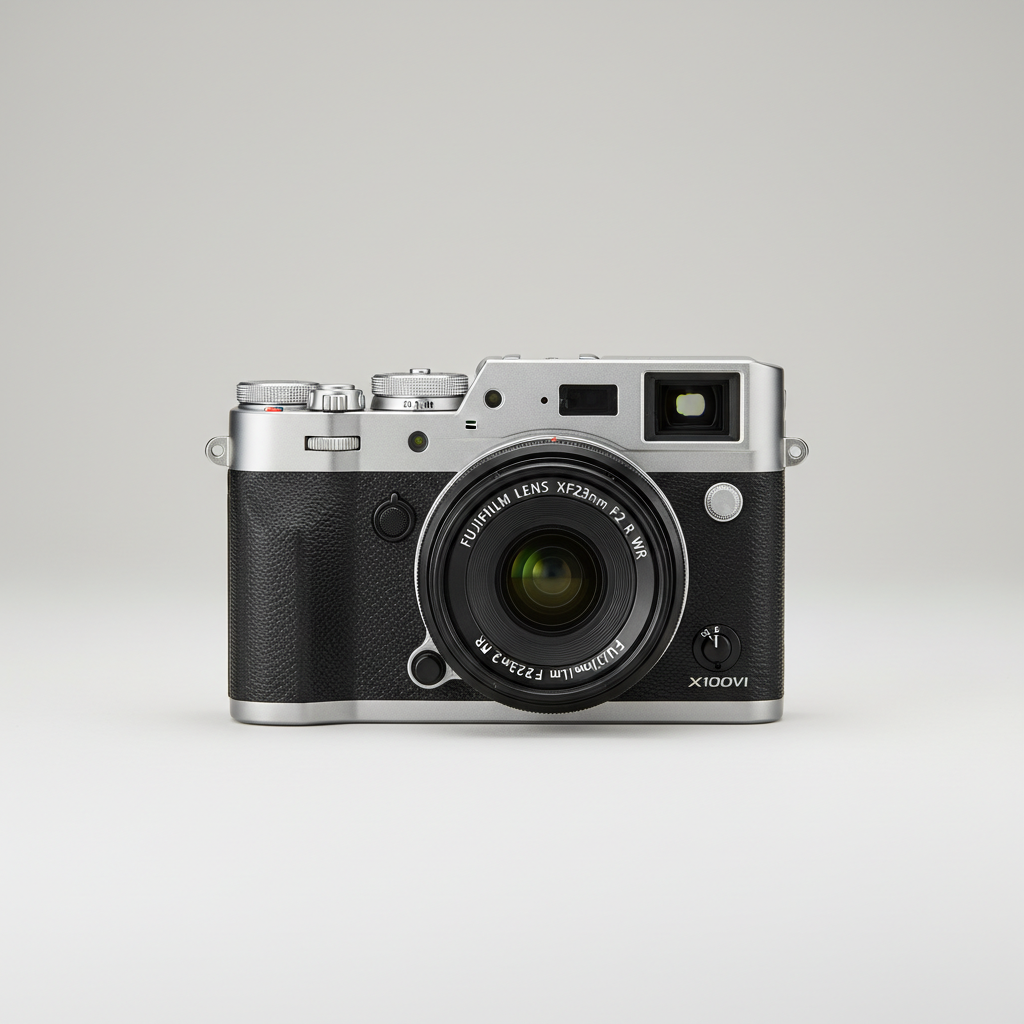
Fujifilm X100VI
$1599
Fixed 23mm f/2 lens (35mm equivalent) with 40.2MP APS-C sensor. Classic rangefinder styling with hybrid optical/electronic viewfinder. In-body stabilization and film simulation modes for JPEG shooters.
Lens Ecosystems: Building Your Street Kit
Lens selection defines your mirrorless system choice. Street photography relies on fast primes between 24mm and 50mm. Look for maximum apertures of f/1.4 to f/2.8 for subject separation and low light capability.
Sony E-mount offers the deepest lens catalog with over 70 native options. Third-party support from Sigma and Tamron adds affordable alternatives. The 35mm f/1.8 and 55mm f/1.8 lenses weigh under 300g each and deliver clinical sharpness.
Fujifilm X-mount lenses emphasize compact designs with aperture rings. The 23mm f/2, 35mm f/2, and 50mm f/2 primes form a complete street kit under 500g total. Build quality matches or exceeds legacy SLR glass.
Canon RF and Nikon Z mounts started with limited compact options but expanded rapidly. Canon's 35mm f/1.8 and 50mm f/1.8 macros provide close focus capability for detail shots. Nikon's 40mm f/2 and 28mm f/2.8 deliver professional optics in pancake form factors.
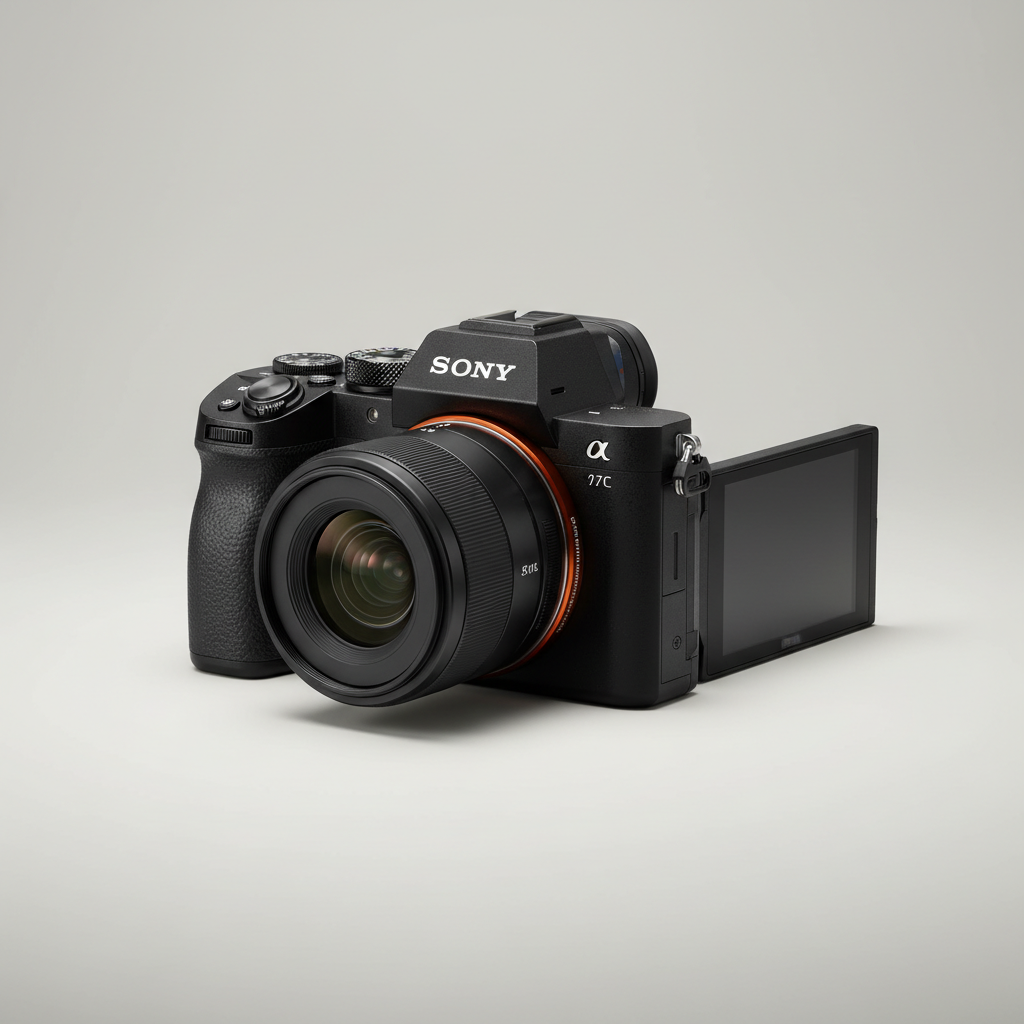
Sony A7C II
$2198
Full frame 33MP sensor in compact body. 5-axis stabilization with 7 stops of correction. AI-powered autofocus tracks subjects through crowds. Weather sealed construction.
Low Light Performance: When Natural Light Disappears
Street photography happens in all lighting conditions. Sensor size and processing power determine usable ISO range. Full frame cameras maintain detail and color accuracy through ISO 6400. APS-C sensors show visible noise by ISO 3200 but remain usable with careful exposure.
Backside illuminated (BSI) sensor architecture improves light gathering efficiency by 20-30% over traditional designs. Paired with modern processing engines, BSI sensors deliver cleaner shadows and better dynamic range for high contrast street scenes.
In-body stabilization (IBIS) extends your handheld shooting envelope. Five-axis systems compensate for 5-7 stops of shake, allowing 1/4 second exposures at 35mm. This matters more than one extra stop of high ISO performance for many street scenarios.
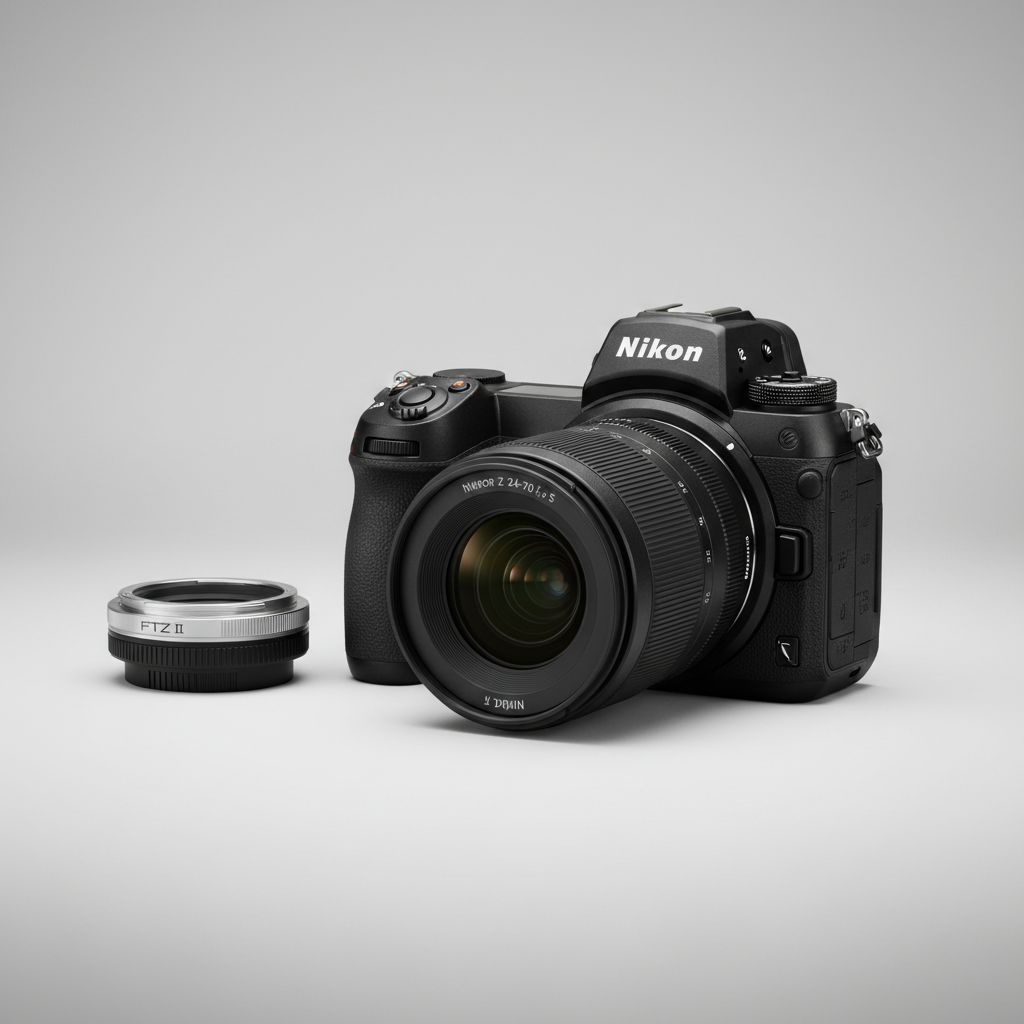
Nikon Z6 III
$2499
Partially stacked 24.5MP full frame sensor with exceptional ISO performance. 6K video capability. Deep grip suitable for all-day shooting. Compatible with F-mount lenses via adapter.
Portability and Handling: All-Day Carry Considerations
A camera earns its place in your bag through consistent use. Bodies under 500g encourage daily carry. Add a compact prime and you stay under 700g total, light enough to hang from a wrist strap without fatigue.
Grip depth affects handling during extended shooting. Deep grips distribute weight across your palm for secure one-handed operation. Shallow grips reduce bulk but require more deliberate hand positioning.
Control layout determines your shooting speed. Dedicated exposure compensation dials provide instant access to your most frequent adjustment. Customizable function buttons eliminate menu diving for focus modes or ISO changes.
Electronic viewfinders (EVFs) preview your final exposure before you press the shutter. Modern EVFs refresh at 120fps with minimal lag. Brightness adjusts automatically for outdoor visibility. The trade-off: EVFs drain batteries faster than optical finders.
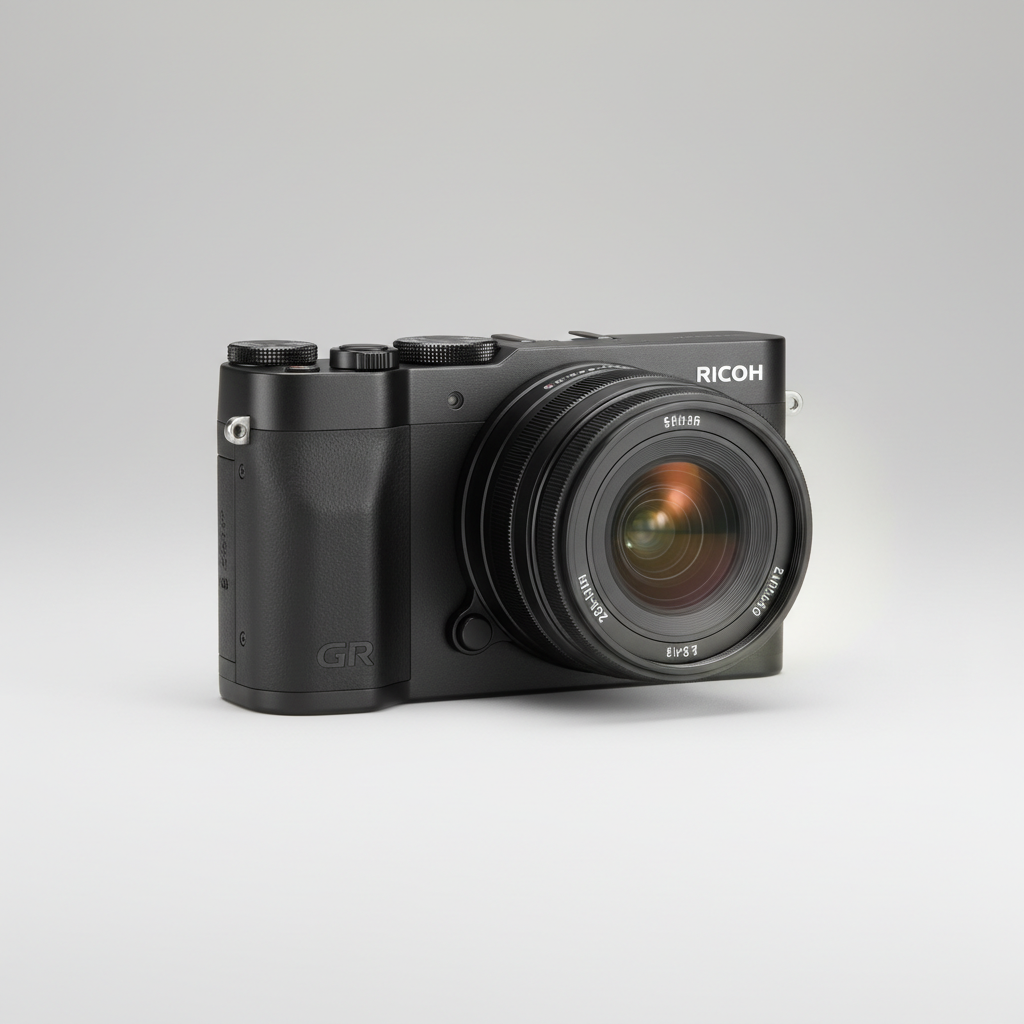
Ricoh GR III HDF
$1099
Ultra-compact 28mm f/2.8 fixed lens camera with 24MP APS-C sensor. Highlight diffusion filter for soft glow effects. Snap focus mode for instant shooting. Fits in a jacket pocket.
Autofocus Systems: Tracking Moving Subjects
Phase detection autofocus systems lock focus faster than contrast detection. Look for 400+ focus points covering 80% of the frame. Edge-to-edge coverage tracks subjects entering from frame borders.
AI-powered subject recognition identifies humans, animals, and vehicles. The camera maintains focus on a subject's eye even as they move through the frame. This technology evolved from high-end sports cameras into affordable street photography bodies.
Face and eye detection work in crowds by prioritizing the nearest subject. You can override automatic selection with a joystick or touchscreen tap. Response time matters less than consistency when shooting candid moments.
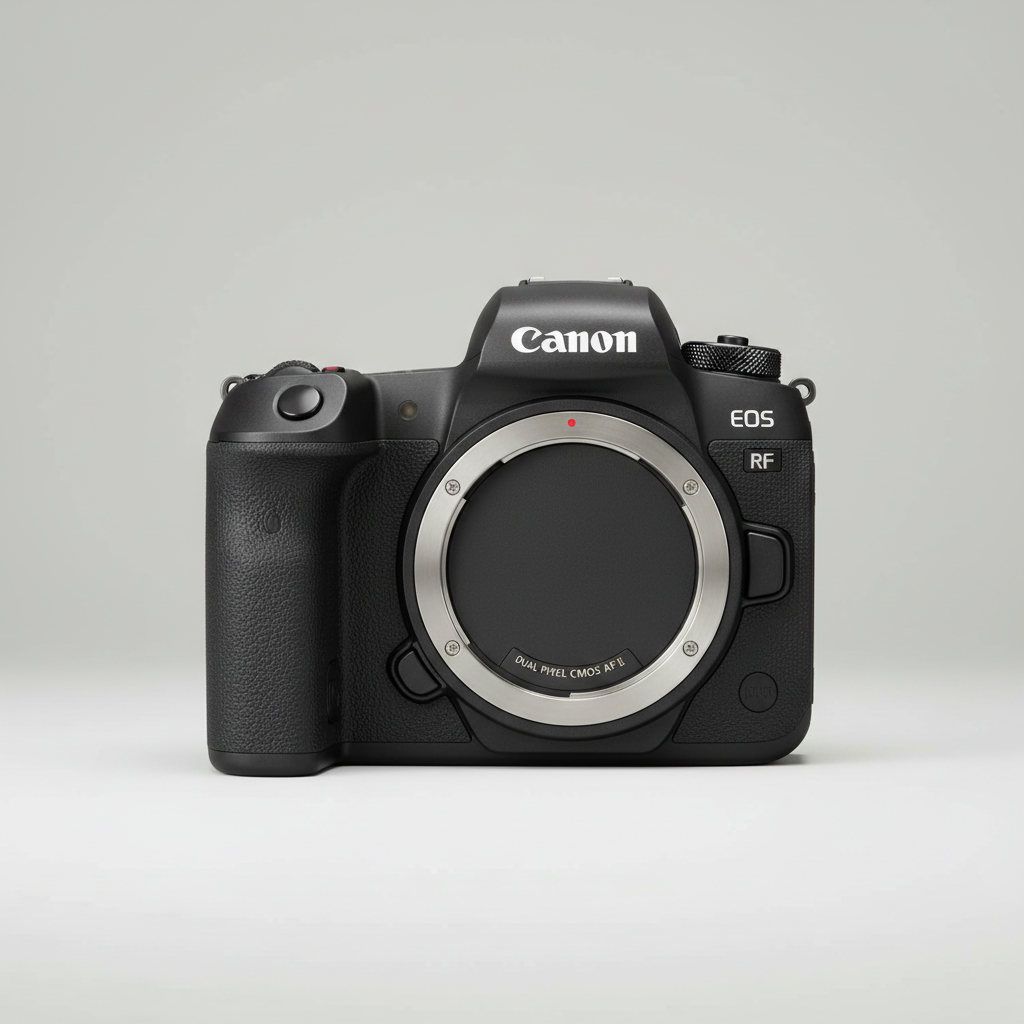
Canon EOS R6 Mark II
$2399
24MP full frame sensor with Dual Pixel CMOS AF II covering 100% of frame. 40fps electronic shutter for silent shooting. Weather sealed magnesium alloy body. Deep lens catalog compatibility.
Budget Options: Entry-Level Street Photography Bodies
Previous generation cameras deliver 90% of current performance at half the price. Two-year-old models maintain excellent image quality with minor autofocus and video spec differences. Used market prices drop faster than performance degrades.
Entry-level APS-C bodies provide the same sensor technology as mid-range models in simplified chassis. You lose weather sealing and advanced video features but retain core image quality. Kit lens bundles often include sharp 16-50mm zooms suitable for learning composition.
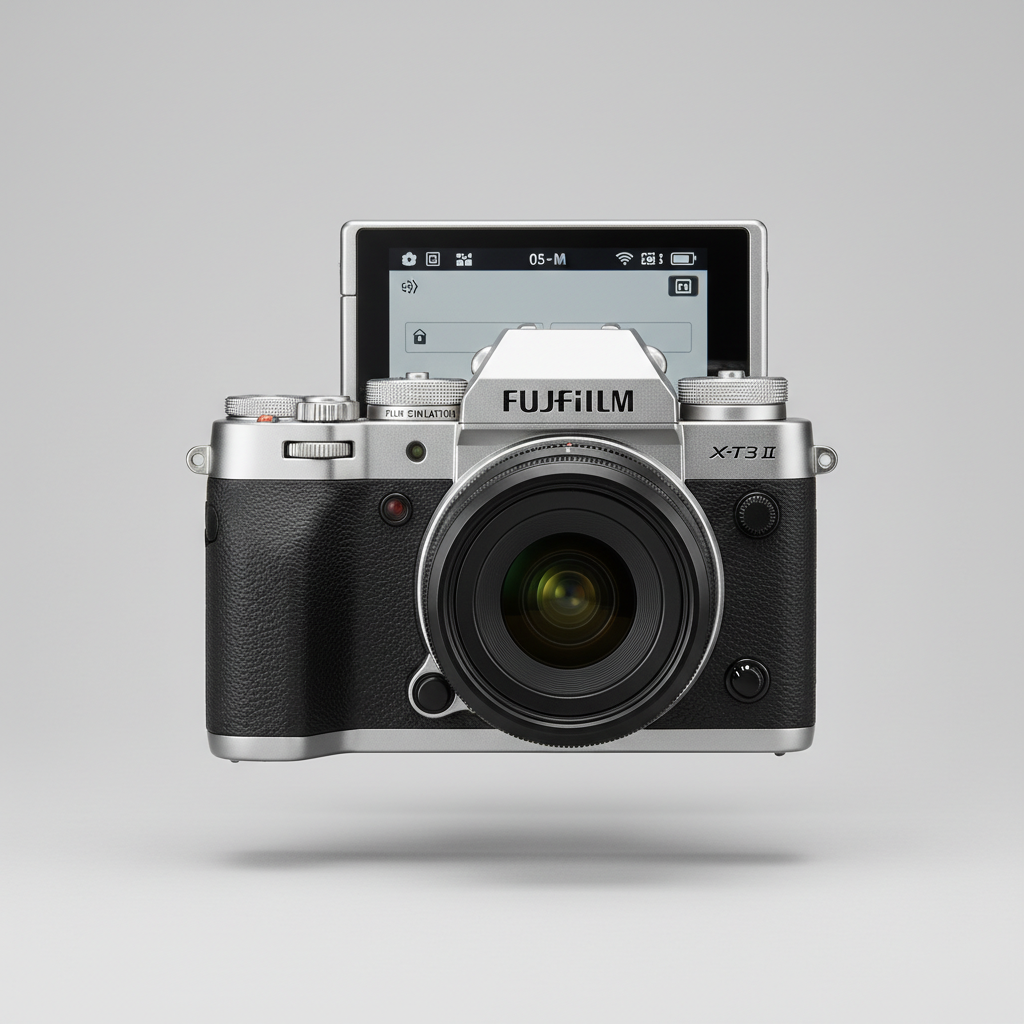
Fujifilm X-T30 II
$899
26MP APS-C sensor with film simulation modes. Compact body with tilting touchscreen. Fast hybrid autofocus system. Access to extensive X-mount lens lineup at entry-level pricing.
Making Your Choice: Matching Camera to Shooting Style
Choose your sensor size based on how you process images. Full frame sensors provide more latitude for heavy editing and large prints. APS-C sensors excel when you prioritize portability and shoot JPEGs with minimal post-processing.
Evaluate lens roadmaps before committing to a mount system. Your second and third lens purchases matter more than the initial body. A mature lens ecosystem supports your growth as a photographer.
Rent before buying when possible. A weekend with a camera reveals ergonomic issues that specifications hide. Weight distribution, button placement, and menu logic become apparent through actual use.
Street photography rewards cameras that stay with you. The best mirrorless system balances image quality with practical carrying comfort. A slightly smaller sensor in a body you actually carry beats a full frame camera left at home.
The Weekly Dispatch
Enjoying this article?
Subscribe and get our best gear picks delivered every Sunday morning.
Related Posts
The Vintage Digicam Trend Explained
Vintage digital cameras from the early 2000s are making a comeback. Here's why photographers are ditching their smartphones for grainy, low-res digicams.
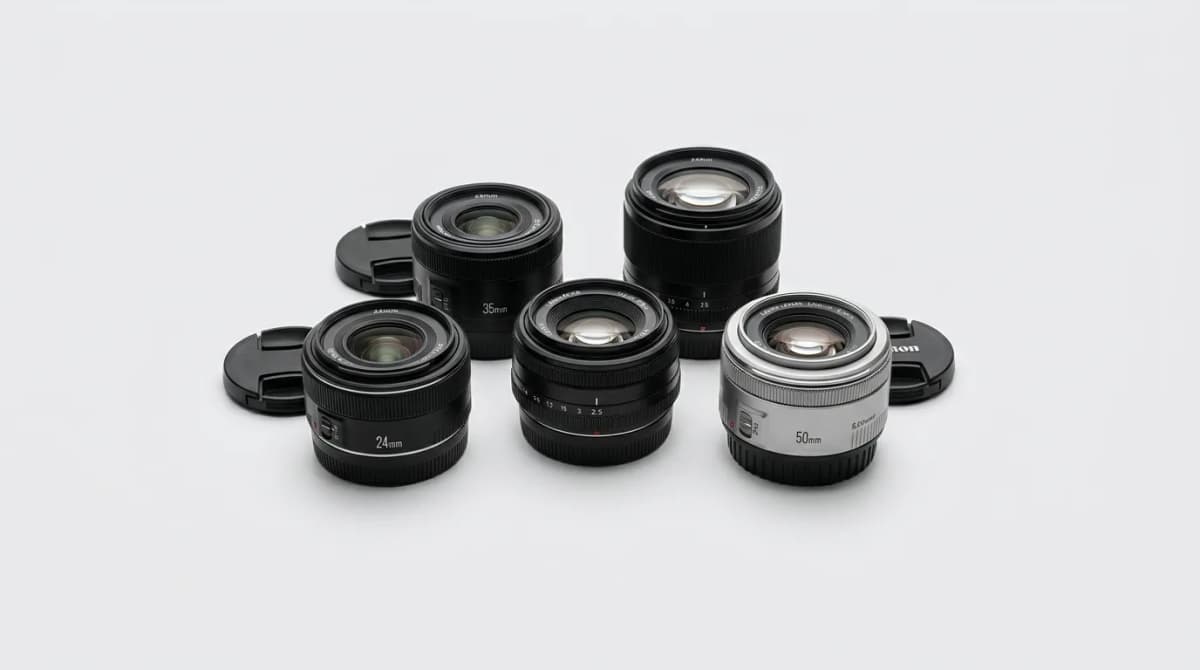
Small Prime Lenses for Travel: Why They Beat Zooms
Small prime lenses deliver sharper images and better low-light performance than zoom lenses while saving critical weight in your travel kit.
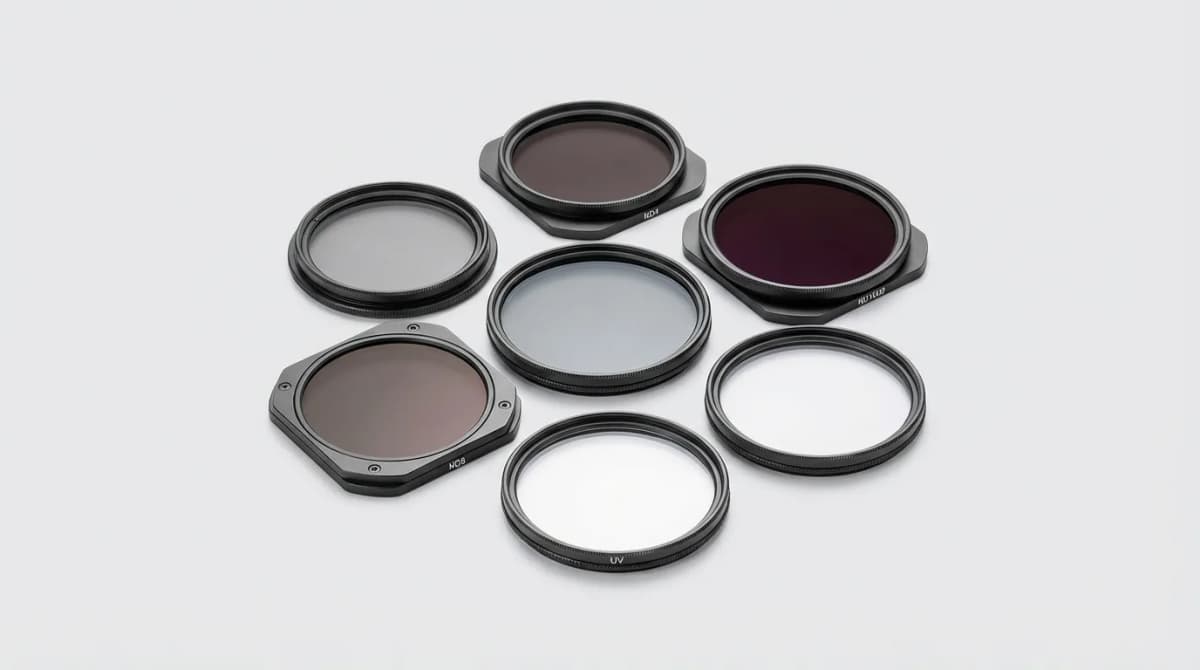
Best Lens Filters for Travel Photography
Skip the UV filter debate. These are the lens filters that actually matter for travel photography - polarizers, ND filters, and when each one earns its place in your bag.
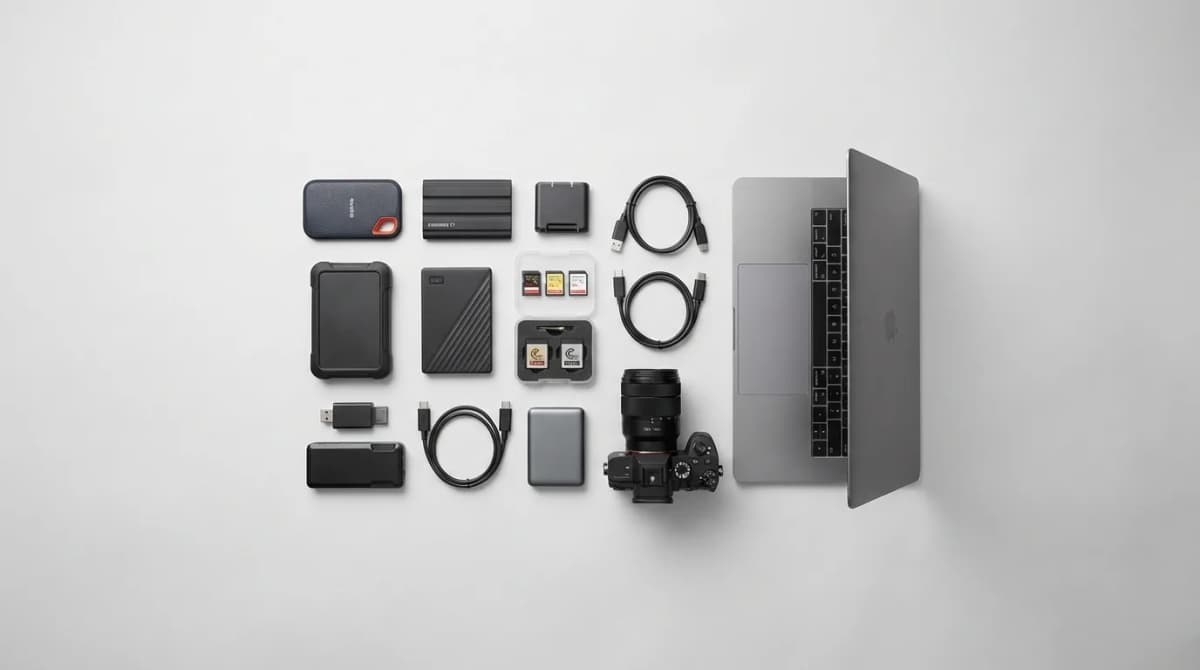
Travel Backup Workflow for Photos and Video
A practical guide to the 3-2-1 backup rule for travel creators: SSD selection, cloud sync strategies, and building a redundant workflow that survives theft and failure.